At styre sin egen IT-infrastruktur er som at reparere bilen, mens du kører. Vi forklarer, hvorfor det at outsource netværksstyringen ikke bare er smart – det er nødvendigt for at holde dig sikker, compliant og i vækst.
Hvorfor din virksomheds netværk fortjener mere end en hjemmelavet løsning (og hvad du reelt skal gøre)
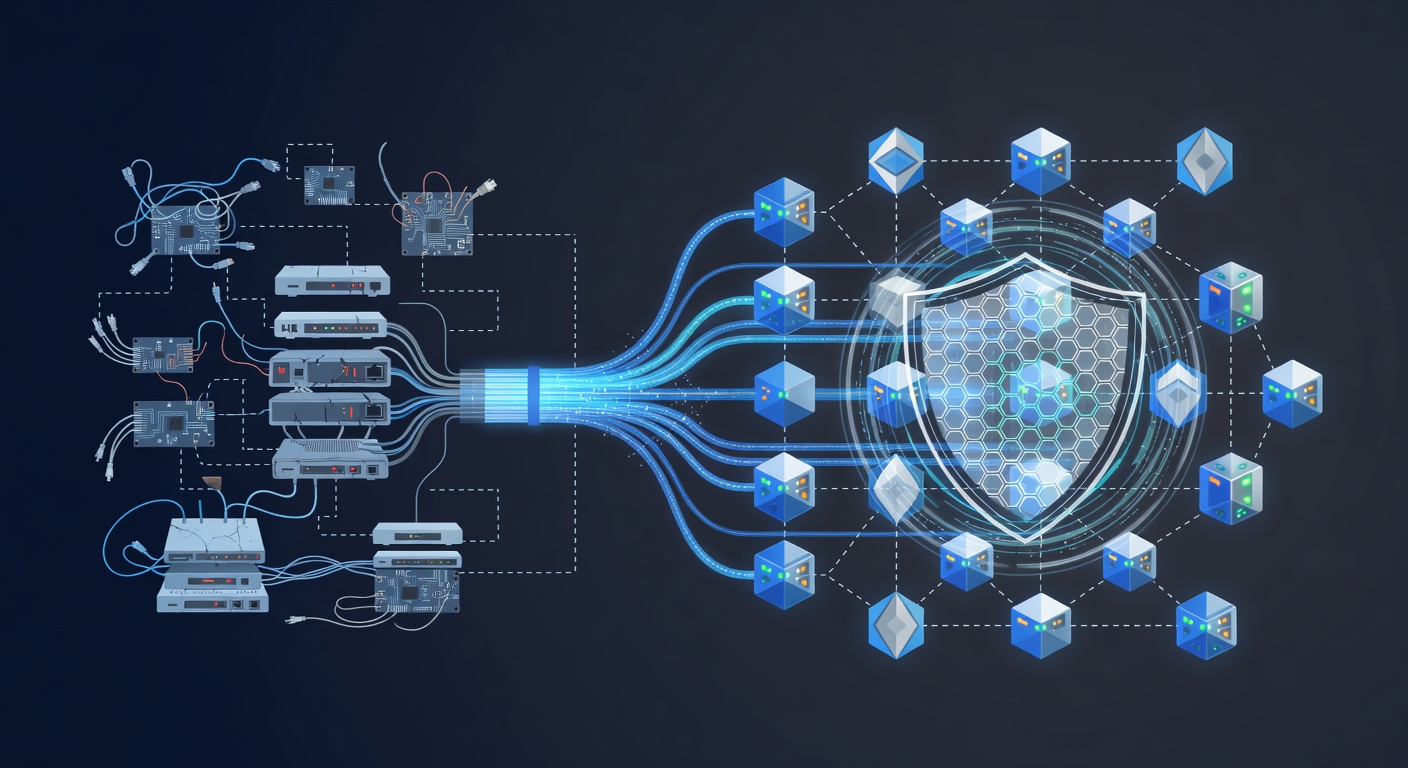
Hvorfor din virksomheds netværk fortjener mere end en hjemmelavet løsning (Og hvad du egentlig bør gøre)
IT-infrastruktur er noget, de fleste iværksættere ignorerer. Du har en firewall, et par switches og nogle trådløse punkter. Alt kører – mest tid. Men den "mest tid"-tænkning er en bombe, der tikker. Et ransomware-angreb kan lægge dig fladt.
Prisen for at køre på må og få
At styre dit eget netværk er som at overse motorolien i bilen. Det holder en stund. Så ryger det i stykker – præcis når det passer værst.
Det værste er ikke kun de tekniske pester. Du mister tid på at fikse huller og nedbrud. I stedet for at drive forretningen. Produktivitet forsvinder. Ledelsen distraheres. Og angsten sidder der konstant.
Jeg har talt med utallige små- og mellemstore firmaer. De ved ikke, om deres netværk er sikkert. Patches er gamle. Regler overholdes måske ikke. Den usikkerhed koster rigtig mange penge.
Hvad betyder "styret IT" egentlig?
Styret IT er ekspertise, der giver ro i sindet.
Det handler om konstant overvågning – døgnet rundt. Ikke vente på kriser. Nej, spotte problemer tidligt. Firewall opdateres automatisk. Switches tjekkes. Trådløse punkter optimeres.
Det er afgørende. Et støvet access point fra 2022? Det kan være et åbent hul for hackere. En forældet firewall inviterer ransomware ind. Uden vedligeholdelse kører du på udløbet software.
Compliance-fælden, du sandsynligvis overser
Regler som HIPAA, PCI-DSS eller SOC 2 holder mig vågen. De gælder sundhed, finans, advokater. Audits er lovpligtige. Fejl giver bøder, retssager og tabt tillid.
De fleste opdager problemer først ved audit. For sent. Styret IT fikser det. Regelmæssige tjek, dokumentation, beviser til myndighederne. Du slipper for kaosset.
Menneskerne bag teknologien
God IT er okay. Fantastisk IT handler om folkene.
Værktøjer er fine. Men uden forståelse af din branche? Det bliver generisk hjælp.
De bedste leverandører dykker ned i din virksomhed. Lærer dit setup. Kender dit team. De forudser fejl ud fra, hvordan du bruger systemerne.
Kundetilbagemeldinger er guld. De ringer op efter løsningen. Spørger, hvad der virkede. De kæmper for din tilfredshed – hver gang.
Hvilket udstyr kræver pro-opmærksomhed?
Her er netværkets hjerte, der skal overvåges:
Firewalls er din vagtpost. Opdateringer og tjek holder dem stærke. En forsømt en er som en ulåst dør.
Netværksswitches forbinder alt internt. De er solide, men kræver vedligehold for hastighed og sikkerhed.
Trådløse access points gemmer de fleste svagheder. Overvåg, opdater, konfigurer rigtigt. Et forkert punkt åbner hele netværket.
UPS-systemer holder strømmen i gang ved strømafbrydelser. Tjek dem løbende – de fleste tester aldrig, før det er for sent.
Uden styring er det ren held. Ikke en plan.
Den ægte gevinst (det handler ikke kun om at spare)
Mange tror, styret IT handler om billigere priser. Ja, du sparer løn til IT-folk og undgår nedetidskatastrofer.
Men det rigtige plus er friheden. Dit team arbejder uden IT-stress. Ledelsen planlægger vækst. Medarbejdere får stabile systemer – mere effektivitet, mindre frustration.
Et firma jeg kender trakret med telefoner over bygninger. Videokonferencer haltede. Med professionel styring fik de moderne internet og overvågning. Pludselig flød kommunikationen. De kunne udvide.
Det ændrer spillet. Fra stagnering til vækst.
Tjek dit firma: Er de selv sikre?
Kedsommet, men essentielt: Har din leverandør uafhængige audits? SOC 2 Type II beviser, at deres systemer holder til test. Sikkerhed, tilgængelighed, databeskyttelse – verificeret.
Du overlader kritisk infrastruktur til dem. Måske følsomme data. Skal de ikke vise, de er solide? Ransomware rammer leverandører hårdt – de er et godt mål.
Et certifikat er ikke sexy. Men det er tillid i praksis.
Hvad gør du nu?
Hvis dit netværk holder på lim og bøn, er du i godt selskab. De fleste små- og mellemstore firmaer er der.
Løsningen er enkel. Vælg styret IT. De installerer, overvåger, opdaterer, sikrer compliance. Og du har et nummer at ringe til.
Start med en snak om din virksomhed. Få et sundhedstjek. Få et tilbud, der passer.
Du vinder tid tilbage. Angsten forsvinder. Sikkerheden stiger. Din forretning kan vokse – ikke bare overleve.
Det er den partnerskab, der virker.
Tags: ['managed it services', 'network infrastructure', 'cybersecurity', 'it compliance', 'business continuity', 'network monitoring', 'it outsourcing']