Most IT professionals learn on the job through trial and error, which is fine for fixing printers but terrifying when your company's financial survival depends on network security. We're facing a serious gap between how IT people are trained and what actually keeps businesses safe from cyber attacks.
Why Your IT Guy Shouldn't Be Googling Your Network Security
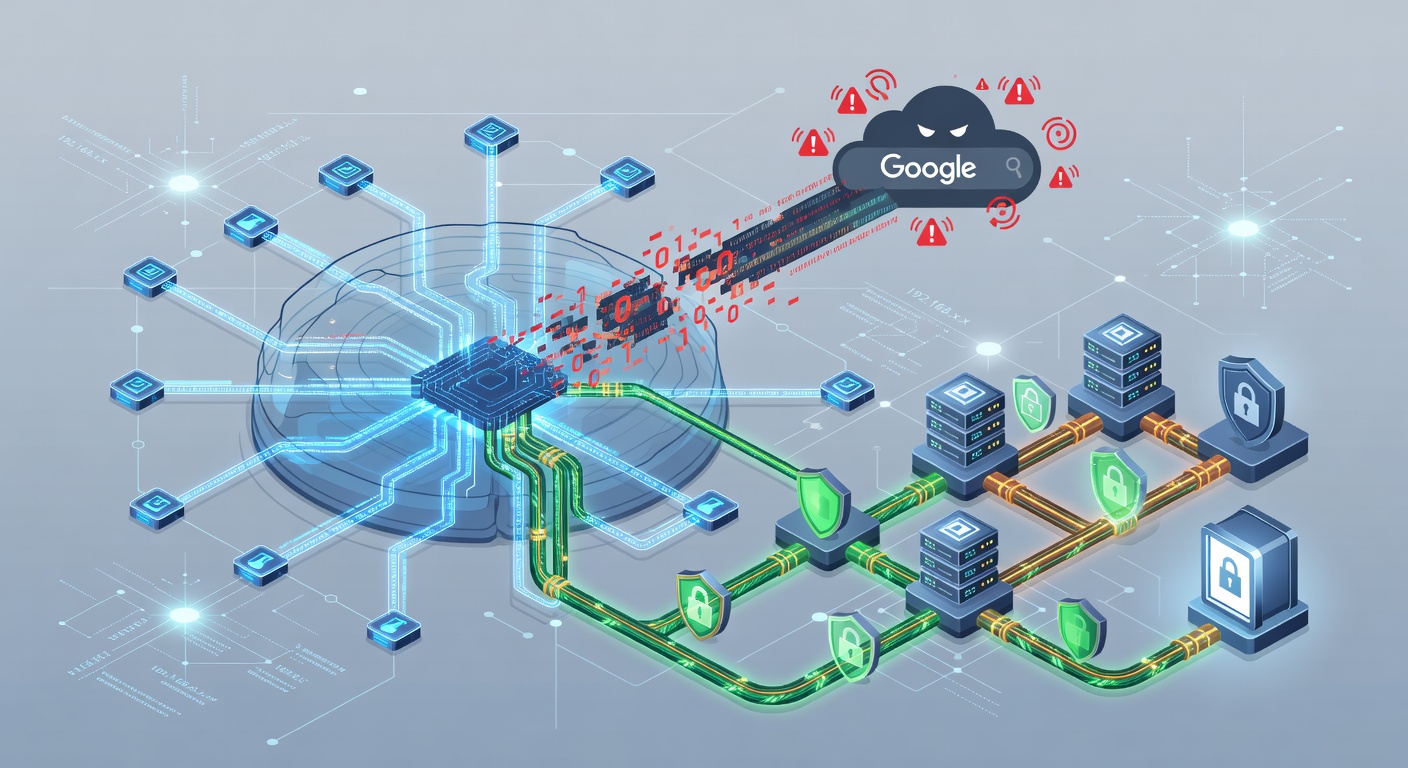
The Uncomfortable Truth About IT Training
Here's something that might keep you up at night: the person managing your company's network security probably learned most of what they know by Googling "how to fix this" when something broke.
I'm not exaggerating. It's actually the norm in the IT industry. Someone starts tinkering with computers as a kid, fixes things for friends, lands an entry-level help desk job, and gradually works their way up through experience and self-teaching. It's a career path that's worked for decades, and honestly, it's produced some brilliant tech professionals.
But here's the problem—that path works great until it doesn't. And when it stops working, the stakes are incredibly high.
Why Experience Isn't Enough Anymore
Think about this comparison: would you trust a car mechanic who told you they'd never worked on your car model before but would figure out your brake system as they go? Of course not. That's ridiculous.
Yet that's exactly what's happening in network security every single day.
The difference is, a failed brake job affects one car. A failed network security setup can cost a small business hundreds of thousands of dollars in ransomware attacks, data theft, or regulatory fines. For some companies, a major security breach isn't just expensive—it's fatal.
The financial risk exposure from a cyberattack on an unprepared network is genuinely comparable to catastrophic physical damage like a fire. This isn't hyperbole. Cyber insurance companies treat it the same way.
The Certification Gap Nobody Talks About
You've probably heard of IT certifications like CompTIA Security+ or Network+. They're legitimate credentials that people study for and take seriously. But here's the uncomfortable reality: most of these certifications test whether you know what the concepts are, not whether you can actually do the work safely.
Security+ teaches you that firewalls exist. It doesn't teach you how to configure one correctly so attackers can't slip through the cracks.
Network+ proves you understand networking basics. It doesn't prove you can design an actual network that protects sensitive customer data from determined adversaries.
There's no universally recognized certification that says: "This person knows how to design safe networks, implement them properly, troubleshoot them effectively, and make ethical decisions when security conflicts with convenience."
Compare this to other critical professions. Doctors, lawyers, architects, engineers—they all go through rigorous, standardized training and credentialing before they're trusted with public safety. Their professional boards set standards, enforce ethics, and hold people accountable.
The IT industry? We're still pretty much winging it.
The Problem With "Platform Agnostic" Culture
Here's another dirty secret: many IT companies pride themselves on being "platform agnostic," meaning they don't specialize in specific tools or systems. This sounds good in theory—flexible, adaptable, vendor-neutral.
In practice, it creates a massive gap.
You can't truly master Palo Alto Networks firewalls, Microsoft Azure cloud infrastructure, and Cisco switches all equally well. It's just not possible. Specialization requires time, hands-on experience, and vendor-specific training.
When a managed service provider treats all platforms as interchangeable, nobody gets deep enough to do the job well. You end up with firewalls configured with glaring security holes, incompatible devices cobbled together, and zero documentation so nobody knows what's actually running.
These aren't minor inconveniences. They're the conditions that hackers exploit.
What Actually Keeps Networks Safe?
So what does real network security training actually look like?
First, you need depth in specific product categories. Not everything—but the critical infrastructure that actually protects you: firewalls, cloud platforms, and security monitoring tools. You pick specific products in each category and genuinely learn them inside and out.
Second, you need comprehensive training that covers multiple angles:
- Sales and solutions: Understanding the product honestly, not overselling it
- Engineering and implementation: Actually designing and building the network correctly
- Operations and troubleshooting: Supporting it day-to-day and fixing problems when they happen
Third, you need ongoing, hands-on practice. Not just a certification test you take once and forget about. Real labs. Real scenarios based on actual attacks. Table-top exercises that simulate breaches so people know how to respond.
This is intensive. It's expensive. It requires management commitment and employee time investment.
It's also absolutely essential.
The Honest Conversation We Need to Have
Here's what I think: the IT industry is at a crossroads. We can either continue with informal, inconsistent training that leaves companies vulnerable, or we can establish professional standards that actually mean something.
Some industries solved this through mandatory licensing requirements. Others through strong professional associations that enforce standards. The medical field, for example, would never let someone practice surgery after just picking it up on the job.
Network security affects business continuity, data privacy, financial health, and sometimes even physical safety. It deserves the same rigor.
Right now, if you ask an IT candidate about their security training, you might get impressive-sounding answers that actually reveal very little about their real capability. That's a problem.
What This Means For You
If you're a business owner or manager relying on IT security:
Ask specific questions. Don't just ask about certifications. Ask what vendor-specific training they've completed. Ask about their hands-on experience. Ask how they stay current with new threats and attack methods.
Look for specialization. Be wary of IT providers who claim equal expertise across everything. Deep knowledge in key areas is better than shallow knowledge everywhere.
Require documentation. A properly secured network should have clear documentation about what's configured, why, and how it's being monitored. If your IT person says "it's all in my head," that's a red flag.
Invest in training. If you're hiring an internal IT person, budget for ongoing education. Vendor-specific training. Security certifications. Conference attendance. This isn't a luxury—it's essential maintenance for your most critical business asset.
If you're in IT:
Take ownership of your expertise. Don't just accumulate years of experience. Deliberately build deep knowledge in specific areas. Get vendor certifications. Do hands-on labs. Make yourself genuinely capable, not just experienced.
Push back on "good enough." If your company wants you to maintain systems you haven't been trained on, that's not a badge of honor. It's a setup for failure. Advocate for proper training.
Remember the stakes. Every poorly configured firewall, every unpatched server, every weak password policy—these aren't just technical failures. They're business risks. Treat them accordingly.
The Bottom Line
The IT industry has been riding on the coat-tails of self-taught talent for three decades. That worked when we were building the internet. It doesn't work now that the internet is critical infrastructure for every business.
We need professional standards that actually mean something. We need training that develops real capability, not just passing test scores. We need to stop treating network security like something you can figure out as you go.
Because honestly? Your company's security is too important to Google.
Tags: ['network security', 'it training', 'cybersecurity certification', 'managed it services', 'network infrastructure', 'business security', 'vendor training', 'it professionals']