Music streaming reveals a lot about your digital habits — from your location to your viewing patterns. Here's how staff picks accidentally expose your online footprint, and what you should actually know about protecting your privacy while enjoying summer vibes.
Why Your Team's Music Taste Says More About Your Internet Privacy Than You Think
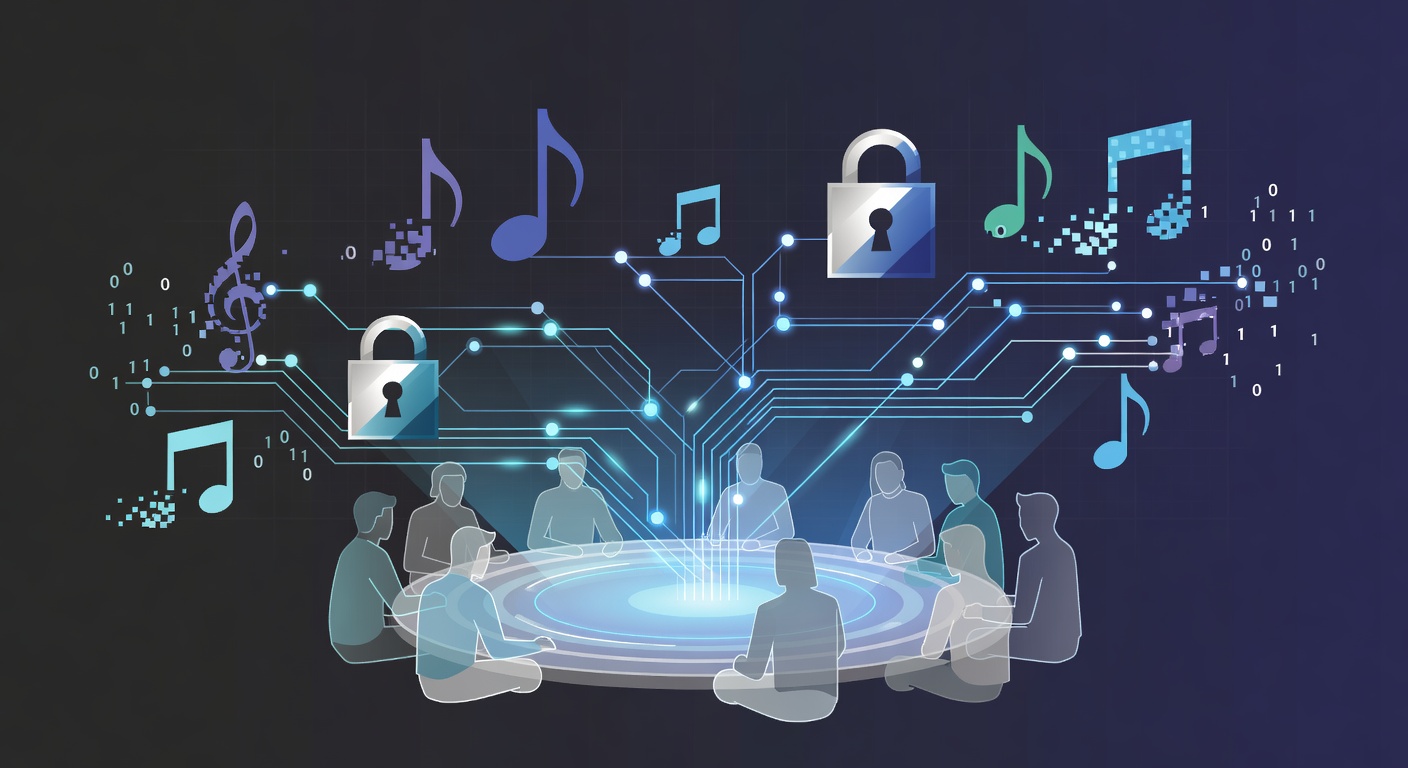
Why Your Team's Music Taste Says More About Your Internet Privacy Than You Think
So I stumbled onto something interesting the other day while scrolling through workplace culture posts. Everyone and their cousin is sharing "staff picks" playlists — you know, those compilations where coworkers contribute their favorite tracks and suddenly you discover your boss is secretly into 90s Britpop. It's cute, it's communal, and honestly? It's also a perfect example of how casually we broadcast our digital habits online.
Let me explain what I mean.
The Hidden Cost of Sharing Your Music Taste
When you stream music, click "like" on a song, or add something to a public playlist, you're doing way more than just expressing your musical preferences. Every interaction creates a digital breadcrumb trail that reveals:
- Your location (streaming services know where you're accessing from)
- Your browsing habits (what time you listen, for how long, what you skip)
- Your demographics (age, income level, lifestyle preferences)
- Your emotional state (sad breakup playlists are basically billboards)
That innocent "Summer Vibes 2024" playlist your team shared? It's now feeding algorithms that build a detailed profile about everyone who contributed to it. And frankly, most of us never stop to think about it.
Why This Matters More Than You'd Think
Here's the thing — I'm not being paranoid. This is just how modern streaming platforms work. They're not evil; they're just operating as designed. Spotify, Apple Music, YouTube Music — they all use your listening data to sell better advertisements, predict your behavior, and yes, share insights with third parties (within legal limits).
But when you're sharing music in a workplace context? You're mixing professional personas with personal interests in a way that's permanently recorded and searchable. Your boss can literally graph your music taste across seasons. Future employers could theoretically look at your public playlists before hiring you.
I know, I know — "it's just music." But that's exactly the problem. We've normalized oversharing because the stakes feel low.
The Summer Playlist Culture Phenomenon
Look, I'm not saying don't make a summer playlist with your team. That's genuinely fun and humans need communal experiences, especially at work. What I'm saying is: be intentional about it.
When you create a staff playlist that's open to the public, consider:
- Does it need to be public? Private playlists shared only with your team are way better.
- What are you revealing? Your music taste + your name + your workplace = a detailed profile someone can build.
- Who has access? Not just your coworkers, but anyone who can find that link.
Protecting Your Privacy Without Sacrificing Fun
Here's my practical take: enjoy music with your team, but keep your actual listening habits separate. You can do this without being awkward about it:
Use separate accounts for sharing: Keep your personal streaming account private. When contributing to work playlists, use a secondary account or just mentally note your favorite songs without logging them to your profile.
Check your privacy settings: Most streaming services let you control what's visible. Go make your listening history private right now. Seriously, pause reading this and do it.
Share selectively: The Beach Boys and Kenny Chesney are fine for a work playlist. Your 3 AM existential crisis playlist probably shouldn't be linked to your LinkedIn.
Use a VPN for streaming: This is especially important if you're using public WiFi at a coffee shop or airport. A VPN masks your IP address and prevents your ISP from seeing what you're streaming.
Consider your DNS settings: Your DNS provider can see every domain you visit, including streaming services. Using a privacy-focused DNS or a service that blocks tracking can help.
The Real Takeaway
I'm genuinely not here to kill summer playlist vibes. Music is awesome. Sharing music with friends and colleagues is one of the ways humans bond. The point is just to do it consciously.
Your music taste is personal data. It says things about you — real things. And while streaming companies are legally operating within their terms of service when they use this data, you have the right to know what's happening and to protect yourself.
This summer, enjoy those tracks. Vibe with your team. But maybe keep your most honest, vulnerable listening habits in the vault where they belong.
Because honestly? Your secret love for guilty pleasure pop deserves better than a data broker's spreadsheet.
Tags: ['online privacy', 'data security', 'music streaming', 'digital footprint', 'workplace privacy', 'internet safety']