Board games aren't just for entertainment anymore. Companies are using games like "Backdoors & Breaches" to train teams on real-world cyber threats in a way that actually sticks. Here's why playing pretend cyberattacks might be the best security investment you make this year.
Why Your Team Needs to Play Cyberattack Board Games (Yes, Really)
Why Your Team Needs to Play Cyberattack Board Games (Yes, Really)
I'll be honest—when I first heard about board games designed to simulate cyberattacks, my instinct was to roll my eyes. Wasn't cybersecurity serious business? Shouldn't we be doing expensive simulations with consultants, not playing cards around a table?
Then I realized something: people remember experiences way better than PowerPoint slides.
And that's exactly why games like "Backdoors & Breaches" are becoming a secret weapon in the cybersecurity world.
The Reality Check: Most Teams Aren't Ready
Let's talk about the uncomfortable truth. Most organizations have a security plan on paper—but they've never actually tested it under pressure. When a real attack happens, your team is flying blind, making decisions without practice, and hoping someone knows what to do.
This is where game-based training changes the game (pun intended).
A cyberattack simulation board game puts your team through a compressed version of a real incident response—minus the panic, the actual data loss, and the emergency all-hands meeting at 2 AM. It's practice without the consequences.
How This Actually Works
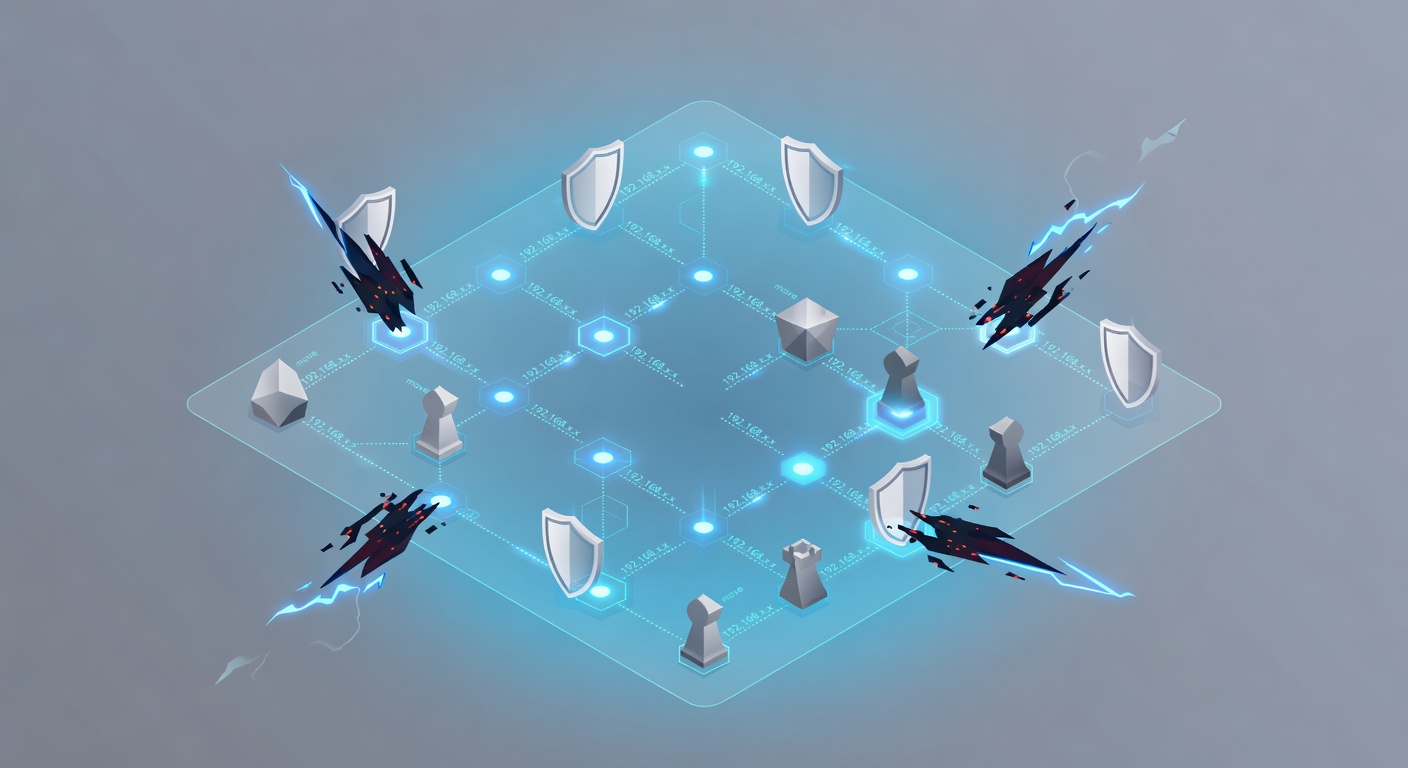
Here's the beautiful part: the game mechanics mirror real attacks. One team plays the attackers (the "Incident Master"), building their offensive strategy card by card. The other team is the defense, picking their countermeasures and trying to stop the breach before it spreads.
The attackers reveal their moves gradually: they gain initial access, escalate privileges, move through your network, steal data. Sound familiar? That's because it is how real attacks happen.
Your defense team huddles up, debates their response, picks their defensive "cards" (representing actual incident response actions), and watches what happens. Sometimes it works. Often, it doesn't—and that's when the real learning happens.
When a defensive move fails, everyone stops and asks: "Why didn't that work? What did we miss? What's a better approach?" This collective problem-solving is exactly what you need when a real breach is happening.
Why This Beats Traditional Training
1. People Actually Engage
Let's face it—mandatory security training videos are torture. People zone out, forget everything, and go back to using "Password123." A competitive game where your team is actually trying to stop an attack? Suddenly people care.
2. It Exposes Real Gaps
Playing the game reveals gaps in your knowledge that seemed hidden before. Maybe your team doesn't know the right order of response steps. Maybe you're missing procedures altogether. Maybe you have procedures but nobody knows how to use them. The game shines a bright light on these problems in a safe environment.
3. Stress + Thinking = Better Preparation
Real cyberattacks are stressful. You're under time pressure, information is incomplete, and the stakes are high. A board game creates a pressure cooker version of this. Your team has to think fast, communicate clearly, and make decisions without perfect information. That's incredibly valuable practice.
4. It's Actually Fun
I know, wild concept. But when your security training is something people want to play again, you've won half the battle. They're more likely to remember it, think about it afterward, and actually internalize the lessons.
The Team Communication Angle
Here's something that doesn't get talked about enough: most security failures happen because of communication breakdowns, not technical ignorance.
When an attack happens, your developer, your IT person, your manager, and your security lead all need to be on the same page. They need to trust each other, understand what each person does, and make decisions together under pressure.
A board game forces this. It requires your team to talk through scenarios, debate the best response, and explain their reasoning. This is exactly the skill set you need when things get real.
It's Not Just for Security Professionals
Here's the cool part: you don't need a team of cybersecurity experts to benefit from this game. In fact, the lack of expertise is often why organizations are vulnerable. Games like Backdoors & Breaches are designed so that less-technical people can learn alongside security experts.
Your HR person might not understand exploitation vectors, but by the end of the game, they understand why phishing is dangerous and what procedures prevent it. Your manager understands why incident response planning matters. Your developer gets why secure coding practices defend against certain attacks.
Suddenly, cybersecurity isn't something the IT department handles alone—it's a shared responsibility that the whole team understands.
The ROI is Actually Real
Think about what a real breach costs: downtime, data loss, reputational damage, fines, legal fees. Then compare that to the cost of a board game, some snacks, and a few hours of team time.
When your team responds faster and better to an actual incident because you practiced together, that game paid for itself in about five minutes.
Plus, you get the added benefit of team bonding. Your developers, ops people, and security team get to know each other, build trust, and understand each other's roles. That's not something you put on a security report, but it matters a ton when things get crazy.
The Bottom Line
I'm convinced. Games like Backdoors & Breaches are one of the smarter investments a company can make in their security posture. They're engaging, they reveal gaps, they build team skills, and they're way more interesting than a compliance training module.
Next time someone suggests a team security game night, don't brush it off. The cyber-threats aren't getting easier, and neither are your team's decisions when an attack happens.
But with some practice? Your team will be ready.
Tags: ['cybersecurity-training', 'incident-response', 'board-games', 'team-security-awareness', 'breach-preparation', 'security-strategy', 'team-collaboration', 'cyberattack-simulation', 'cybersecurity training', 'incident response', 'board games', 'security awareness', 'team preparation', 'cyber threats', 'phishing prevention', 'data security']