Your employees are either your strongest defense against hackers or your biggest liability—and most companies don't realize which one they have. The good news? Strategic cybersecurity training can transform your whole team into security-conscious professionals who actually catch threats before they become disasters.
Why Your Team Is Your Biggest Cybersecurity Weakness (And How to Fix It)
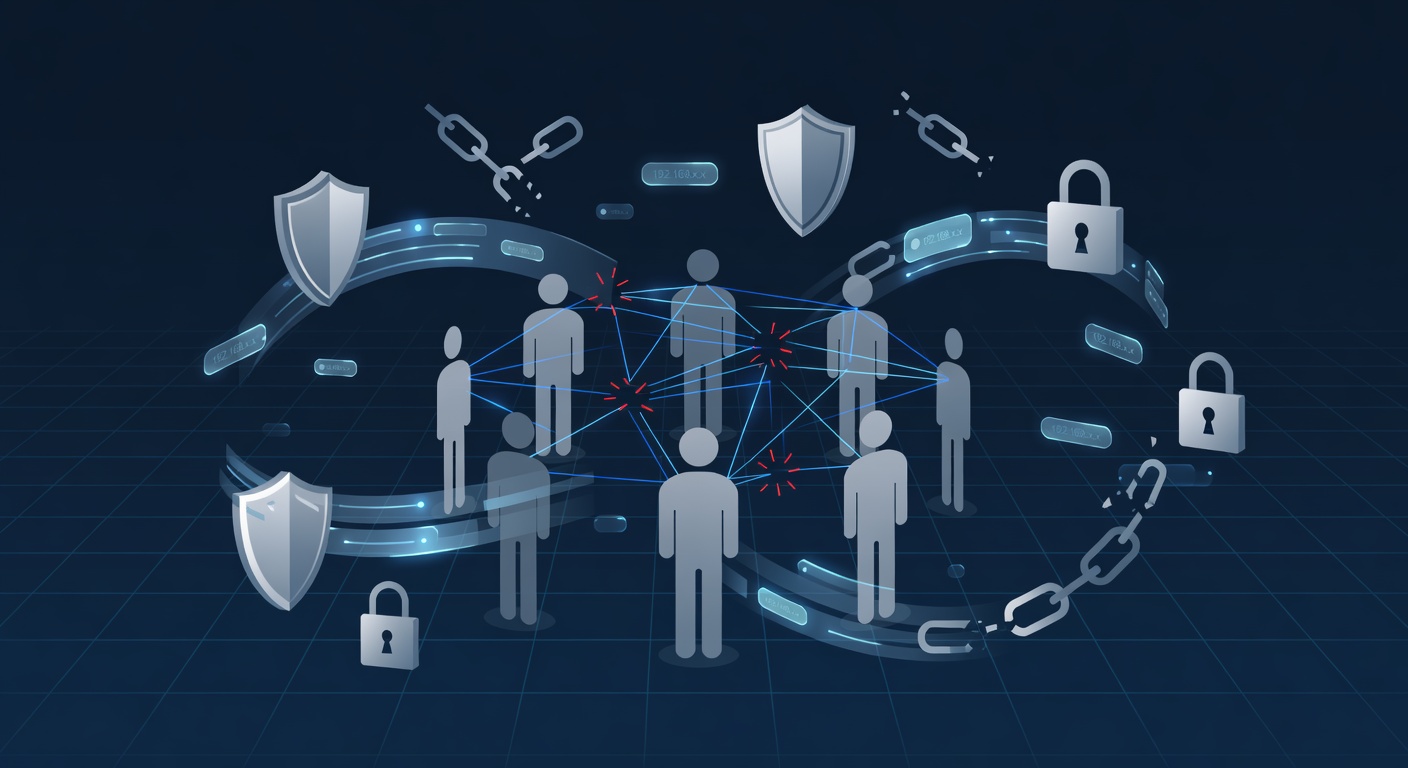
Why Your Team Is Your Biggest Cybersecurity Weakness (And How to Fix It)
Let's be honest: cybersecurity isn't just an IT department problem anymore. It's everyone's problem.
I've seen it happen a hundred times. A company invests thousands in firewalls, encryption, and fancy security tools, but then an employee clicks a suspicious link and suddenly a ransomware attack is holding their entire database hostage. The most expensive security infrastructure in the world can't protect you if your team doesn't know what to look for.
That's why organizations are finally waking up to a simple truth: training your people is just as critical as training your systems.
The Real Cost of Ignoring Cybersecurity Awareness
Here's what keeps me up at night about cybersecurity: the human element is unpredictable. You can't patch it like you patch software. You can't encrypt it like you encrypt data. You have to teach it.
According to security reports, the vast majority of breaches involve some form of human error—whether it's falling for phishing emails, reusing weak passwords, or accidentally sharing sensitive information. These aren't failures of character; they're just people who didn't know better.
And honestly? If your employees haven't been trained properly, that's on leadership, not on them.
Why Generic Training Isn't Cutting It Anymore
Here's the thing about those one-size-fits-all cybersecurity courses: they're boring, disconnected from reality, and employees forget 90% of what they learned by the time they log off.
Imagine watching a generic video about "email security best practices" when you work in accounting. Then imagine watching one that specifically shows you how phishing scams target accounting teams, with real examples from your industry, using the actual tools your company uses. Which one do you remember?
That's the difference between training that actually sticks and training that becomes a checkbox on a compliance form.
What Actually Works: Personalized, Ongoing Training
Modern cybersecurity training needs three things:
1. Relevance to Your Organization
Your healthcare company faces different threats than a tech startup or a financial services firm. Your training should reflect that. It should reference your actual systems, your specific workflows, and the real risks in your industry. When employees see themselves in the training, they pay attention.
2. Consistency and Reinforcement
One training session a year? That's not training—that's theater. Real security awareness requires regular, bite-sized learning. Monthly training keeps security top-of-mind. Interactive videos work better than lectures because they engage people, not just bore them into compliance.
3. Practical Support
Training means nothing without follow-up. Your team needs clear channels to ask questions, report suspicious activity, and get help when they're unsure. When employees know they can reach someone quickly without judgment, they're more likely to report issues instead of ignoring them and hoping for the best.
The Compliance Angle (Yes, It Matters)
Look, I know compliance can feel like a bureaucratic nightmare. But here's the secret: compliance requirements like HIPAA, NIST, and SOC 2 exist for a reason. They're designed around proven security practices.
The organizations that nail compliance aren't the ones checking boxes—they're the ones who've actually embedded these practices into their culture. Training is how you do that. It's how you move from "we have to do this" to "we do this because it makes sense."
When your entire team understands why you follow certain protocols, they don't just follow them—they defend them.
Making the Transition
If you're thinking "our training is a disaster" or "we don't really have a training program," here's the good news: this is fixable. And faster than you think.
Start by assessing what your team actually knows. What are your biggest security vulnerabilities in terms of human behavior? What's keeping you up at night? Use those insights to shape targeted training that addresses real gaps.
Make the training interactive and relevant. Invest in platforms that feel modern, not like you're watching content from 2005. Regular reminders and automated enrollment make sure people actually complete it (not just assign it and hope).
And crucially: measure progress. Track completion rates, quiz scores, and actual behavioral changes. Does phishing incident reporting go up after training? That's a good sign. Are fewer suspicious links being clicked? You're winning.
The Bottom Line
Your employees are either your first line of defense or a ticking time bomb. The difference comes down to whether they've been properly trained.
Cybersecurity training isn't an expense—it's an investment in company resilience. It's the difference between "we got hacked" and "we caught it before it became a problem." It's the difference between a compliance audit failure and a clean report.
The best part? When your team actually understands security, they become your eyes and ears. They catch things automated systems miss. They think before they click. They become security partners instead of liability vectors.
And that's worth more than any firewall.
The question isn't whether you can afford to train your team on cybersecurity. The question is whether you can afford not to.
Tags: ['cybersecurity training', 'employee awareness', 'security culture', 'compliance training', 'hipaa', 'nist', 'phishing prevention', 'human error', 'cybersecurity best practices', 'organizational security']