We're all guilty of putting off software updates and hardware maintenance, but ignoring these digital chores could cost you far more than the time saved. From hidden security vulnerabilities to crippling system failures, technological debt quietly undermines your productivity and puts your data at serious risk.
Why Your Ignored Tech Updates Are a Ticking Security Time Bomb
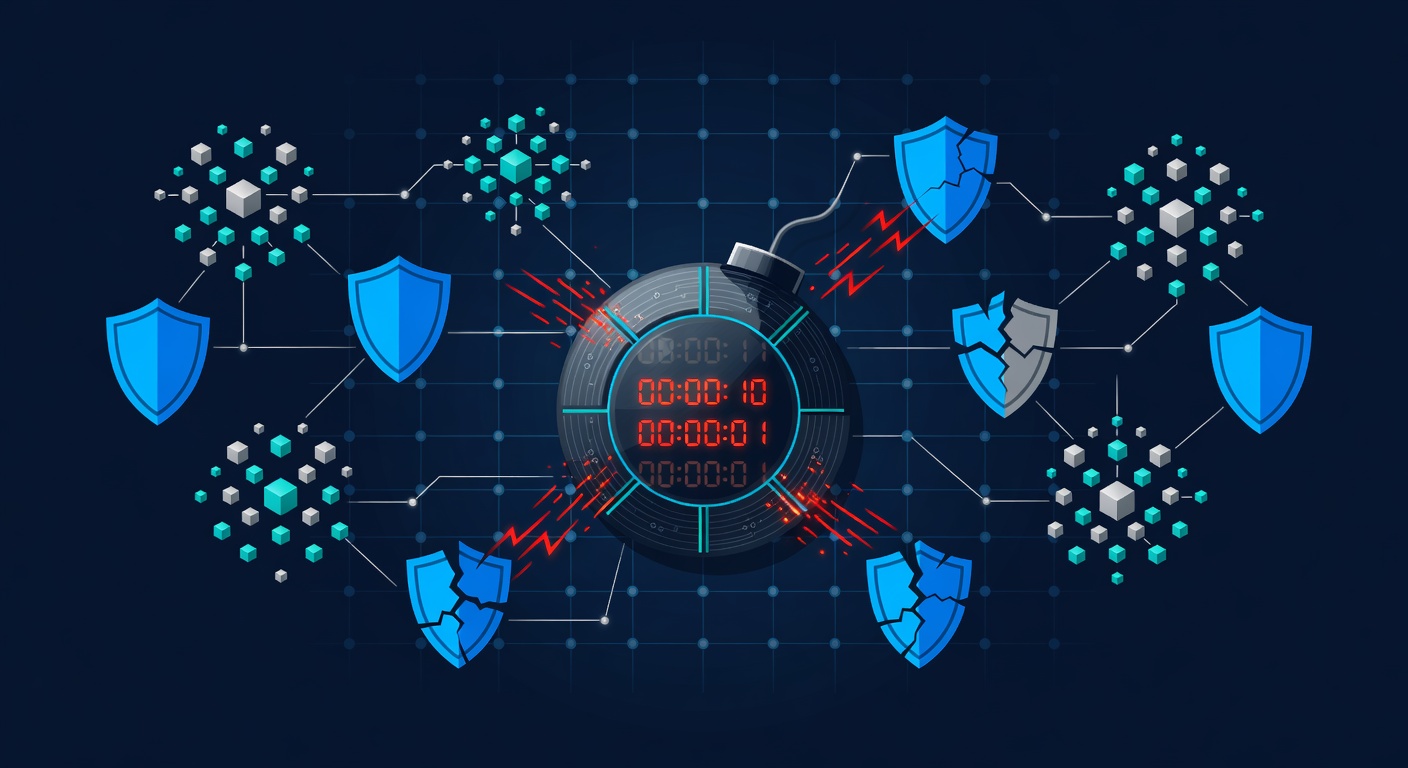
Why Your Ignored Tech Updates Are a Ticking Security Time Bomb
You know that feeling. Your laptop is running slower than usual. That software update notification has been sitting in the corner of your screen for three months. Your router could probably use a restart, but it's fine for now, right? Wrong.
I get it—updating systems feels like a chore that's easy to postpone. But here's the thing: every delayed update, every skipped maintenance task, and every outdated device you're still using is quietly creating what experts call "technological debt." And unlike financial debt, this kind sneaks up on you in ways that are harder to predict and much more dangerous.
What Exactly Is Tech Debt (And Why Should You Care)?
Think of technological debt like ignoring your car's maintenance schedule. Sure, you save money by skipping oil changes and ignoring that warning light on your dashboard. But eventually, you're looking at an engine that's seized up, a repair bill that makes you wince, and a vehicle that won't run at all.
Technological debt works the same way. It's the accumulating burden of:
- Outdated software that hasn't been patched with security fixes
- Hardware that's limping along past its prime
- Systems running on versions from years ago
- Security gaps that grow wider every single day
The sneaky part? You can often keep limping along for a while. Your computer still boots. Your network still (mostly) works. But you're living on borrowed time.
The Real Cost of Procrastination
Here's where it gets scary: when tech debt finally catches up with you, the damage is often catastrophic.
Security becomes your biggest nightmare. Every day an operating system goes unpatched is another day hackers have a known exploit they can use. Every legacy program running on your network is a potential backdoor. And when—not if, but when—a breach happens, the consequences are brutal. We're talking compromised customer data, regulatory fines, lawsuits, and reputation damage that takes years to rebuild.
I've seen it happen to businesses that thought they were "fine." One day they're operational, the next day they're dealing with ransomware that exploits a vulnerability that's been publicly known for months. The cost of recovery? Tens or hundreds of thousands of dollars. The damage to customer trust? Immeasurable.
Operational disruptions become your daily reality. Systems crash at the worst possible times. Hardware failures happen without warning. Compatibility issues prevent you from using modern tools. Your team spends half their day just trying to get technology to do what it's supposed to do instead of actually doing their jobs. That lost productivity quietly drains your bottom line.
Compliance violations become inevitable. If you're in any regulated industry—healthcare, finance, e-commerce—you're probably dealing with compliance requirements. Outdated systems often can't meet modern security standards, leaving you exposed to fines and legal liability.
You're Also Missing Out on Everything Good
Here's another angle that often gets overlooked: technological debt doesn't just create problems. It also prevents opportunities.
When your infrastructure is aging and unstable, adding new features or integrating cutting-edge solutions becomes a nightmare. That AI tool your competitors are using? Probably won't work reliably on your legacy system. That automation software that could save your team 10 hours a week? Too complicated to implement on your creaky foundation. You're not just falling behind—you're actively preventing yourself from competing.
And if you're thinking "well, we'll just upgrade later," know this: retrofitting modern solutions onto outdated systems is exponentially harder than maintaining them as you go. It's like trying to add a modern electrical system to a house built in 1950. Technically possible, but expensive and time-consuming.
So What Do You Actually Do About It?
The good news is that managing technological debt isn't complicated. It just requires intentionality.
Start with an audit. Take a realistic inventory of your systems. When was your operating system last updated? What hardware is three years old or older? Which applications are running versions that are no longer supported? You'd be shocked what you find.
Create a maintenance schedule—and actually follow it. This is non-negotiable. Software updates, security patches, hardware checks—schedule them like you'd schedule any other important business activity. Make them recurring, make them predictable, and make sure they happen.
Develop a strategic upgrade plan. Not everything needs to be replaced at once. Prioritize based on risk (security vulnerabilities first), frequency of use, and business impact. Spread upgrades across a realistic timeline.
Treat updates like investments, not expenses. This mindset shift is crucial. Yes, updates cost money and time. But so do data breaches, system failures, and lost productivity. When you factor in the true cost of not updating, regular maintenance becomes a bargain.
The Bottom Line
Technological debt might feel invisible today, but it's silently eroding your security, efficiency, and competitive advantage. The businesses that win aren't the ones that save a few thousand dollars by skipping updates—they're the ones that invest consistently in keeping their infrastructure healthy.
Your technology isn't a set-it-and-forget-it thing. It's a living system that needs attention. Give it that attention, and it becomes your competitive advantage. Ignore it, and it becomes your greatest liability.
The choice, as always, is yours.
Tags: ['technology maintenance', 'cybersecurity', 'it infrastructure', 'system updates', 'tech debt', 'security vulnerabilities', 'it best practices', 'digital infrastructure', 'data protection', 'business continuity']