Everyone's pushing cloud migration like it's the only smart move, but what if your company actually needs servers you can touch? We're breaking down why on-premises infrastructure might be the underdog choice that actually wins for your organization.
Why Your Business Might Not Need the Cloud (And That's Okay)
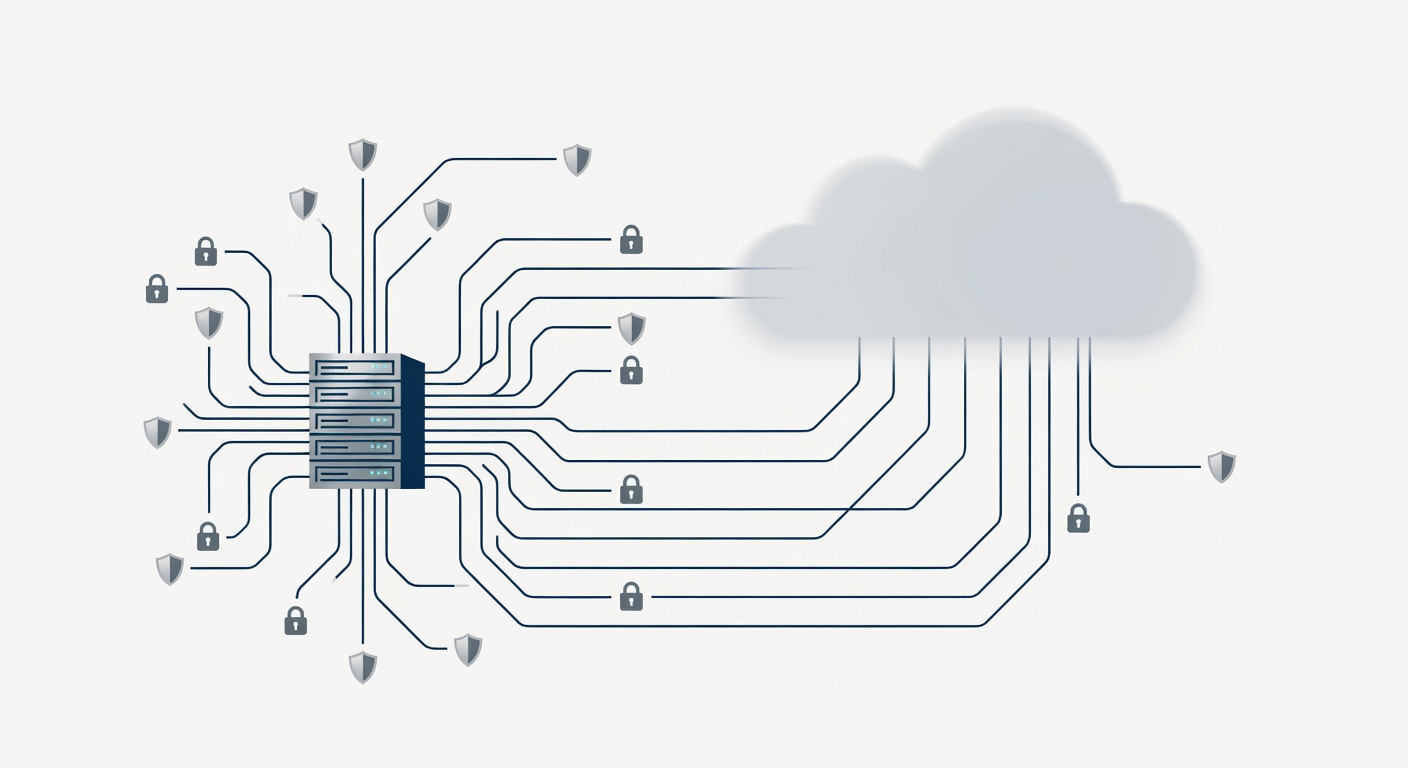
Why Your Business Might Not Need the Cloud (And That's Okay)
There's this weird assumption floating around the tech world: cloud is always better. Newer. Smarter. More modern.
But here's the thing—that narrative isn't always true, and honestly, it bothers me a little. Not because cloud is bad (it's genuinely great for a lot of situations), but because the cloud-or-bust mentality pushes organizations to make decisions that don't actually fit their needs. It's like being told you must drive a Tesla, even if you live on a farm and need a pickup truck.
Let me be straight with you: on-premises servers are having a moment, and it's not nostalgia talking.
The Cloud Hype Is Real, But So Are Its Hidden Costs
I get it. Cloud computing sounds magical. You don't have to worry about hardware failures, you can scale up instantly, and you can access everything from anywhere. It's flexible, it's convenient, and vendors love telling you how modern and forward-thinking you'll be by switching.
But there's a cost nobody talks about enough: egress fees. That's the charge cloud providers hit you with when you download or transfer data out of their system. It's like paying to leave the hotel—and it adds up fast, especially if you're working with large datasets.
Then there's the long game. Cloud costs compound. Monthly subscriptions that seem reasonable in year one become a pretty hefty annual expense by year three or four. You're paying continuously, forever, for resources you might not always need.
On-Premises: The Underrated Option
Here's what on-premises infrastructure actually offers that cloud doesn't:
You Control Everything—And That Matters
When your data lives on servers in your own building (or your dedicated data center), you're the boss. Not some company halfway across the country with a terms-of-service document you didn't read.
This is huge for regulated industries. Healthcare, finance, legal—these sectors need to know exactly where their data is, who can access it, and how it's protected. Cloud providers can offer compliance certifications, sure, but there's something about owning your infrastructure that gives you actual peace of mind.
Speed Isn't Just About Bragging Rights
If your business relies on processing large amounts of data or running specialized software that's bandwidth-hungry, local servers crush cloud in performance. There's no latency from sending data back and forth across the internet. Everything happens instantly, locally.
Think about medical imaging software, complex financial modeling, or engineering simulations. These tools work best when they're running on hardware optimized specifically for them, not on virtualized resources shared with thousands of other companies.
Your Budget Gets Predictable
This is the part that surprises people: on-premises infrastructure can actually be cheaper.
Yes, there's a big upfront cost. You're buying servers, installing them, setting up your data center. That hurts initially. But after that? Your costs are locked in. You know exactly what you're spending every year on maintenance and electricity.
Cloud costs? They creep up. You add a new user here, expand storage there, use more bandwidth this quarter. Before you know it, that monthly bill has doubled since you started.
For organizations with stable, predictable needs over several years, on-premises wins on total cost of ownership. The math just works out that way.
No Surprise Egress Charges
I mentioned this earlier, but it deserves its own paragraph because it genuinely surprises people.
Cloud providers charge you to leave. Want to download your data? That'll be money, please. Planning to migrate to a different provider? More money. It's one of the most customer-unfriendly practices in tech, and it exists to lock you in.
With on-premises infrastructure, your data is already on your hardware. You're not paying per gigabyte to access your own information.
The Real Question: Which One Fits You?
Here's my honest take: this isn't about cloud being outdated or on-premises being some kind of superior choice. They're different tools for different jobs.
Go with cloud if:
- Your workload fluctuates unpredictably (you need that scalability)
- Your team is distributed globally (accessibility matters)
- You don't have the IT expertise or budget to manage servers
- You're a startup that needs to minimize upfront costs
Go with on-premises if:
- You work in a regulated industry with strict compliance needs
- Your costs are predictable and you'll benefit from fixed expenses
- You're processing data that's sensitive or voluminous
- You run specialized software optimized for local execution
- You want true control over security and your infrastructure
The Verdict
Cloud migration gets pitched as the inevitable future, but "inevitable" doesn't mean "right for everyone." Sometimes the unglamorous choice—maintaining your own servers, taking control of your infrastructure, knowing exactly where your data lives—is actually the smartest move.
The tech industry loves to declare old things dead and new things revolutionary. But the best solutions aren't about what's trending. They're about what actually works for your business.
If you've been pressured to move to the cloud and it doesn't feel right, trust that instinct. Do the math. Check your actual needs. You might find that the boring, old-fashioned option is exactly what you've been looking for.
Tags: ['on-premises infrastructure', 'cloud vs on-premises', 'server management', 'data security', 'it infrastructure', 'compliance', 'cost analysis']