When a beloved kids' museum started experiencing constant tech breakdowns, they realized their outdated IT systems were stealing resources from their actual mission. Here's how they turned IT from a headache into a strategic advantage—and what their story teaches us about the real cost of ignoring technology.
Why Even Nonprofit Museums Need to Care About Their IT Infrastructure (And What Happens When They Don't)
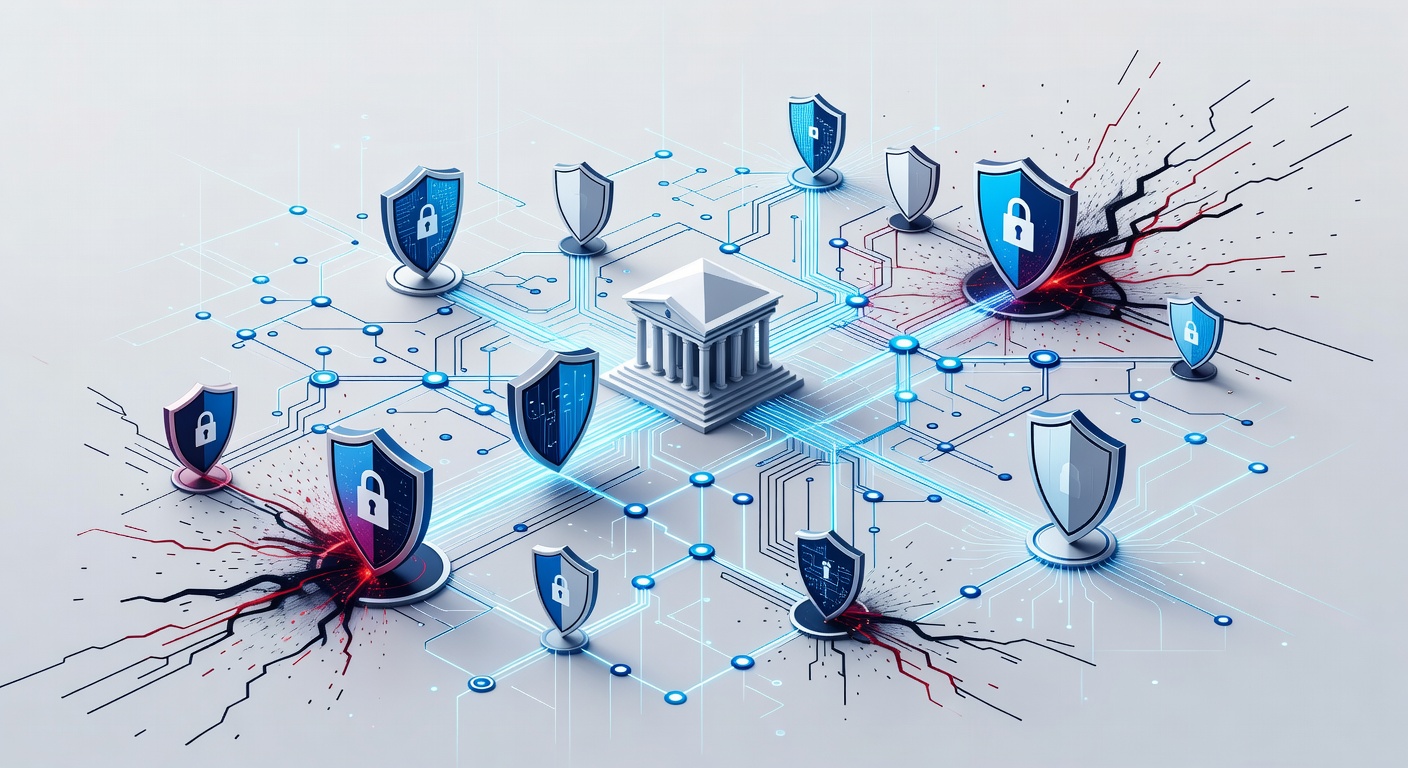
Why Even Nonprofit Museums Need to Care About Their IT Infrastructure (And What Happens When They Don't)
Picture this: You're running a nonprofit kids' museum. Your mission is inspiring young minds through play and discovery. But instead of focusing on that, you're spending half your day troubleshooting network issues, dealing with server crashes, and watching your team waste time on IT problems that shouldn't exist in the first place.
That was Marbles Kids Museum's reality, and honestly? They're not alone. Most nonprofits face this same problem—tight budgets, aging technology, and staff who are stretched so thin they're expected to be everything from educators to IT technicians.
The Perfect Storm: When Legacy Systems Meet Budget Constraints
Here's what was actually happening behind the scenes at Marbles:
The knowledge problem. When experienced IT staff retired, they took years of institutional knowledge with them. New team members inherited systems they barely understood, making even basic troubleshooting feel like detective work.
The outdated hardware problem. Legacy systems are like old cars—sure, they still run, but they break down constantly, and parts are hard to find. Marbles' infrastructure was reliable in 2005. In the modern world? It was a liability.
The proprietary software squeeze. On top of everything else, they were running specialized software that only a handful of people understood. One person leaves, one person gets sick, and suddenly your entire operation limps along.
The budget reality. And of course, there's the money situation. Nonprofits live on shoestring budgets. When you're choosing between funding educational programs and replacing servers, education always wins. But here's the thing—if your IT infrastructure is failing, your educational programs suffer anyway.
The Real Cost of IT Problems (Spoiler: It's Not Just Downtime)
When I think about Marbles' situation, what strikes me most is the invisible cost. It's not just about the minutes when systems are down. It's about the staff hours spent troubleshooting instead of creating exhibits. It's about security vulnerabilities that could compromise visitor data. It's about the stress on your team.
Every hour your IT person spends fixing a server is an hour they're not spending on strategic work that actually moves your organization forward.
The Two-Pronged Fix: Assessment + Strategy
Marbles took a smart approach by bringing in external expertise. Instead of just throwing money at the problem or hiring someone to patch things temporarily, they did something more thoughtful: they got a comprehensive assessment.
Step 1: Know What You're Actually Working With
First, they mapped their entire network. I know that sounds boring, but it's crucial. When you finally sit down and document what systems you have, how they're connected, and which ones depend on which, something magical happens—you stop making random fixes and start making informed decisions.
The assessment revealed which systems were critical, which were redundant, which could be upgraded, and which should be retired completely. It sounds simple, but most organizations never do this.
Step 2: Create a Real Plan
Rather than implementing changes willy-nilly, they established clear timelines and priorities. They bundled projects together for efficiency. They considered both technical needs and budget realities. This is strategic IT management—treating technology as a business tool rather than just a cost center.
They then implemented solutions that addressed their specific pain points: better network connectivity, improved support for endpoints (the devices staff actually use), and eventually modern tools like Microsoft Intune for managing computers more efficiently.
Here's What Actually Changed
The results weren't flashy, but they were real:
Better uptime. Systems became more reliable. Staff could actually rely on their technology instead of being surprised by crashes.
Freed-up resources. When IT stops being a constant firefighting operation, your people can focus on what they were actually hired to do.
Improved security. Without getting into the technical weeds, let's just say that old systems aren't secure systems. This mattered for protecting visitor information and maintaining trust.
A sustainable path forward. Instead of hoping the current systems hold together for another year, Marbles now has a roadmap for their technology future.
The Insight Everyone Misses
Here's what I find most important about Marbles' story: they didn't get an immediate cost savings. That's actually kind of refreshing to admit, isn't it?
What they got was something more valuable—they made intentional investments in their IT infrastructure based on actual needs, not desperation. They went from reactive ("Oh no, it broke!") to proactive ("Let's plan for what we need").
The Bigger Picture
If you work for a nonprofit, a small business, or any organization with a tight budget, Marbles' situation might feel familiar. Technology often feels like a luxury or an afterthought when resources are limited.
But here's the reality: good IT infrastructure isn't a luxury, it's a foundation. It's what allows your actual mission to function. Whether you're running a museum, a nonprofit, or a school, you can't fulfill your mission if your technology keeps failing.
The investment Marbles made won't show up as a line item that increased revenue or brought in new visitors. But it did something quieter and more important—it made their organization more stable, more secure, and more able to focus on what they actually care about.
And that's worth paying attention to.
What Should You Do If You're in a Similar Situation?
If you're nodding along while reading this because your organization feels like Marbles did, here's my advice:
Get an honest assessment. Bring in someone external who can look at your systems without emotional attachment. You need to know what you're actually working with.
Document everything. Create a map of your network and systems. It's less exciting than actually fixing things, but it's the foundation for smart decisions.
Think strategically, not reactively. Budget is always tight, but allocate it based on priorities that actually matter to your mission.
Plan for the future. Modern tools shouldn't feel like luxuries—they should feel like necessities that make your team's work easier and safer.
Your technology isn't the mission. But it sure supports the mission. Marbles learned that investing in IT foundation paid dividends that extended far beyond just "keeping things running."
Want to learn more about how to assess your organization's IT needs or protect your network? Check out our guides on network security and IT infrastructure planning.
Tags: ['nonprofit technology', 'it infrastructure', 'managed it services', 'network security', 'digital transformation', 'small business tech', 'technology planning', 'organizational efficiency']