Här är en tuff sanning: Din bästa lösenordspolicy räcker inte om en kollega klickar på en farlig länk. Med 60 procent av dataintrången orsakade av mänskliga misstag är det dags att sluta lita enbart på teknik. Bygg istället ett team som verkligen kan upptäcka hoten.
Dina anställda – hackarnas favoritmål (och hur du stoppar dem)
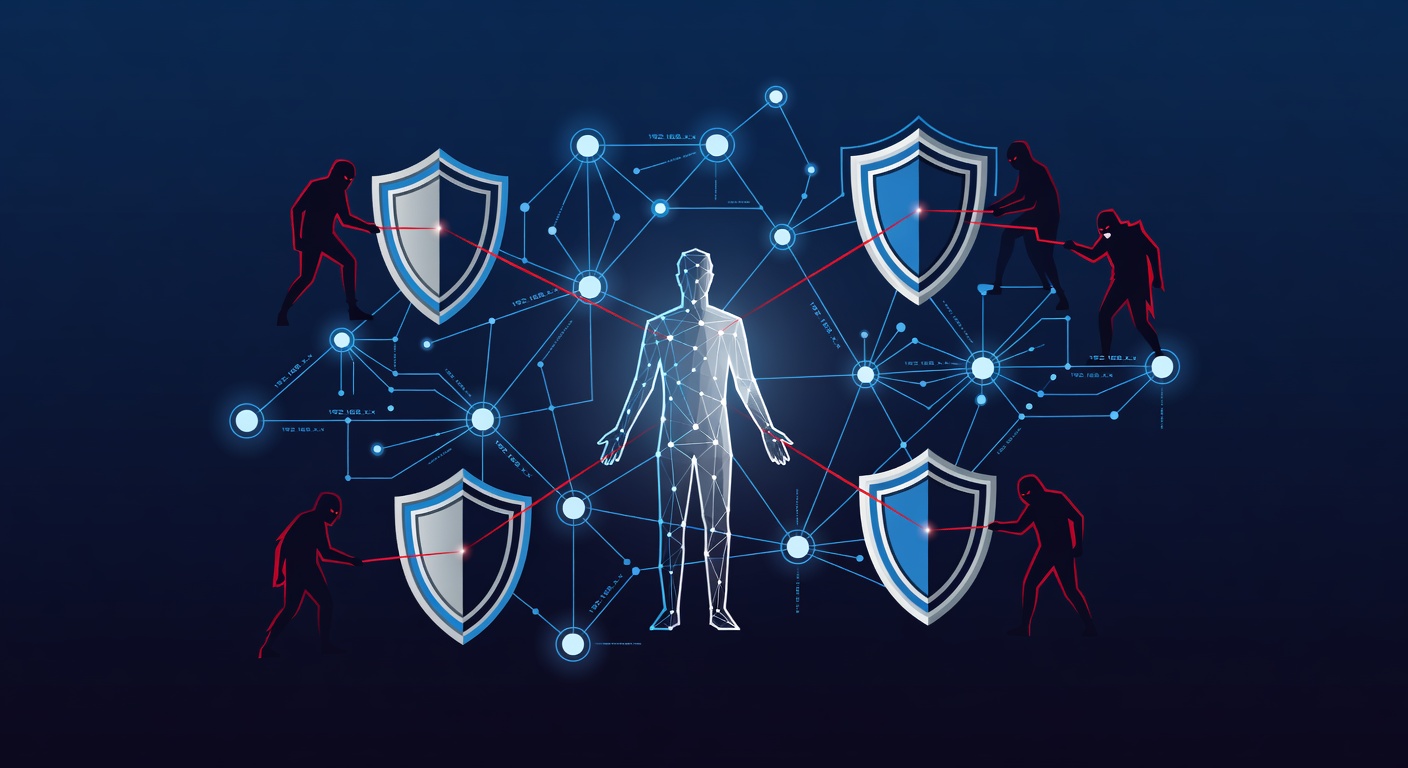
Dina anställda är hackarnas bästa måltavla (och hur du fixar det)
Cyberförsäljare pratar alltid om murar, kryptering och smarta AI-lösningar. De är viktiga, visst. Men sanningen är att hackare skippar tekniken helt. De loggar bara in.
De lurar dina medarbetare. Punkt slut.
Den jobbiga sanningen om dagens hack
Tänk på senaste bedrägeriförsöket mot dig. Inget raketvetenskap. Ett mail som ser äkta ut, press att agera snabbt – och du klickar.
Hackare gör samma sak mot ditt företag. De siktar på det värdefullaste.
Siffrorna skrämmer. 82 procent av intrången lämnar inga spår av virus. Inget malware. De loggar in med stulna lösen, smyger runt i nätverket och äger det. För tekniken ser de ut som legitima användare.
Värst av allt: 60 procent av dataläckor beror på mänskliga misstag. Inte superbuggar eller spioner. Bara ett fel.
Varför årsvisa säkerhetskurser inte funkar
Alla har druckit i sig de där tråkiga bilderna vid introduktionen. Timmar om lösenord medan folk scrollar telefonen. Samma sak nästa år.
Det ger noll effekt.
Forskning visar: passiv info fastnar inte. Vi minns 10 procent av vad vi hör eller läser. Men gör vi det själva, med direkt feedback? Då sitter 90 procent kvar.
Därför slår phishingtester föreläsningar. Får du ett falskt mail och nappar? Den känslan bränner sig fast. Obekvämt, men effektivt.
Trea-lagers försvar som verkligen håller
Vill du göra personalen till din starkaste sköld? Så här gör du:
Börja med nuläget. Testa anonymt hur många som går på phishing. Inget skamande – bara fakta om riskerna. Blindtest visar sanningen.
Träna smart. Korta moduler för just din bransch. Sjukvård skiljer sig från bank. Kunddata kräver annat än konsulting. Standardkurser är skräp.
Upprepa kontinuerligt. Säkerhet är som tandborstning. Månatliga tester, färsk info och resultat som syns håller det levande. Inte en engångsgrej.
Pengarna du sparar på riktigt
Träning känns som extra kostnad. Fullt schema redan.
Men en läcka? Återställning, brev till kunder, böter, ryktesskador, stillastående jobb och kunder som vänder ryggen. Hundratusentals kronor för en medelstora incident.
Tränad personal kostar mindre. Och stoppar läckan innan den händer.
Bonus: folk vill skydda företaget. Ge dem kunskap och verktyg – de hakar på. Förklarar du varför det skyddar deras jobb också, då engagerar de sig.
Mät eller misslyckas
Varningstecken: företag som inte kollar om träningen funkar. De kryssar i rutan och undrar varför problemen kvarstår.
Kräv data. Hur många klickar på falska mail? Minskar det? Vilkna avdelningar kämpar? Vem rockar?
Då riktar du resurser rätt. Kanske redovisningen behöver mer än marknadsfolket. Data slår gissningar.
Bygg din människomur
Framtida säkerhet handlar om tech plus människor.
Dina anställda är svag länk eller superhjälte. Skillnaden? Lite satsning och fokus.
Testa nu. Hitta svagheterna. Skapa engagerande, branschspecifik träning. Mät framsteg. Gör det till vana.
Säkerheten sitter inte i brandväggen. Den bor i inkorgen, i blick för det skumma och viljan att slå larm.
Det är inte bara smart säkerhet. Det är affärslogik.
Taggar: ['employee security training', 'phishing simulations', 'cybersecurity culture', 'human error', 'data breach prevention', 'workplace security awareness', 'managed it security']