Varje laptop, mobil och surfplatta i ditt företag är en potentiell inkörsport för hackare rakt in i hela verksamheten. De flesta bolag ser till endpoint-säkerhet som en eftertanke – och det är precis det misstaget som leder till de värsta datainbrotten.
Dina prylar är din svagaste länk – och det borde skrämma dig
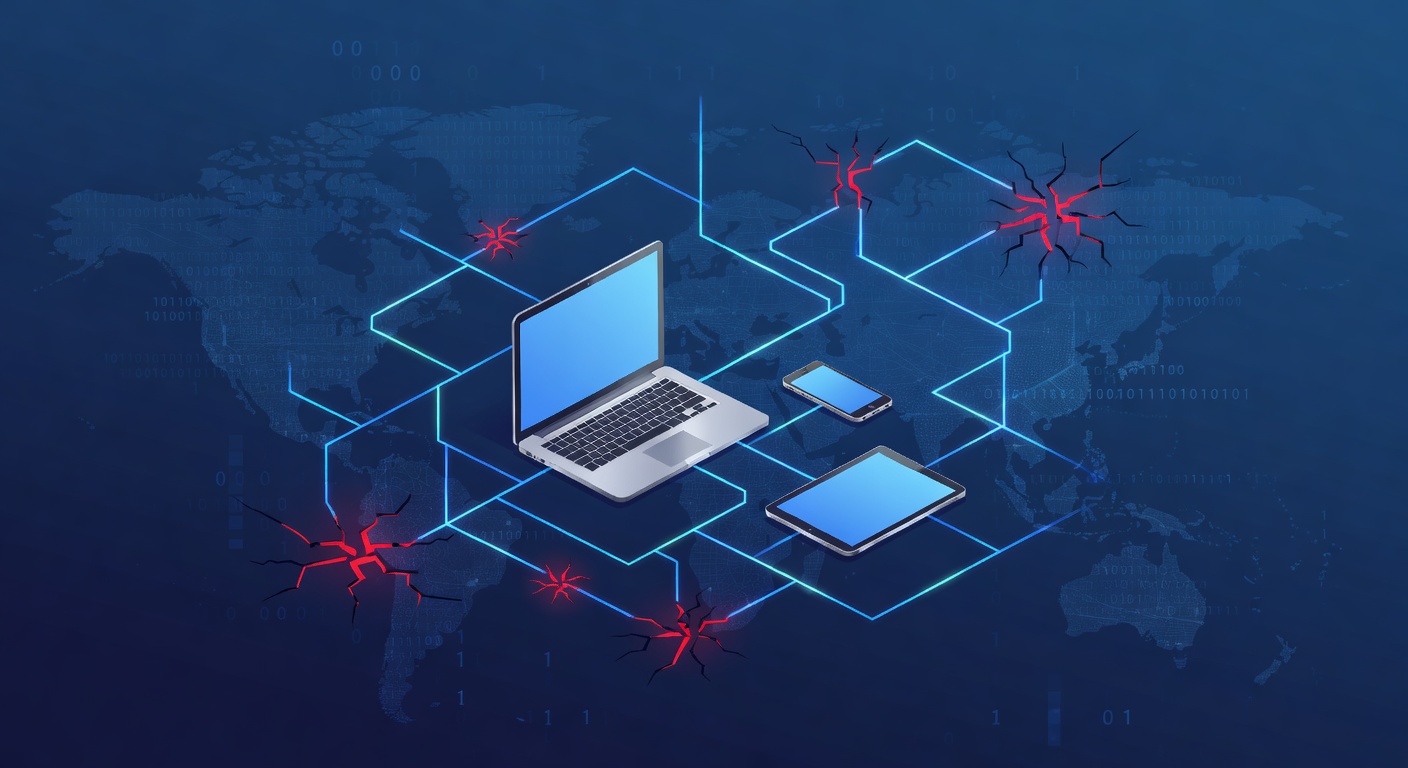
Dina enheter är den svaga länken (och det borde skrämma dig)
Tänk efter: om du inte säkrar alla prylar som kopplas till ditt nätverk, står din företagsdörr på glänt medan du sover. Punkt slut.
Det här är ingen överdrift. Företag hackas inte för att hackarna är superhjältar. Nej, det beror på att endpoint-säkerheten ofta är usel – och angriparna utnyttjar det.
Vad är egentligen en endpoint?
Låt oss reda ut begreppen först.
En endpoint är vilken pryl som helst som hänger på ditt nätverk och hanterar data. Det är de verkliga verktygen där jobbet sker. Som:
- Kontorsdatorer och bärbara
- Anställdas mobiler och surfplattor
- Företagets servrar
- Smarta grejer som skrivare, kameror och annan IoT-skräp
Routrar, brandväggar och switchar? De är bara transportsträckan. De lagrar ingen data. Endpoints är de riktiga hoten – dit datan hamnar.
Varför din säkerhet inte funkar
Många företag pumpar in pengar i nätverksbrandväggar men glömmer bort enskilda enheter. Som att låsa ytterdörren men lämna alla fönster vidöppna.
Uppdateringskaoset
Anställda har fullt upp. De ser notisen om uppdatering och skiter i den. Eller så startar de om – men det tar evigheter, så de skjuter upp det. Veckor blir månader.
Plötsligt sitter 40 procent av dina enheter med en säkerhetshål som fixades för länge sen. Det är så riktiga intrång sker. Föråldrad mjukvara är en inbjudan till hackare.
Förlorade prylar
En laptop glöms på flygplatsen. En konsult tappar tableten i taxin. "Ingen fara, jag raderar på distans." Men har du fixat det? Oftast inte.
Så fort prylen kopplar upp sig – eller hamnar i fel händer – är ditt nätverk i fara. BYOD-policyer? Då exploderar risken. Du har noll koll på vad som rullar på de privata grejerna.
Privata mobiler = noll kontroll
Telefonsituationen är värst. En anställds mobil kan vara full av skumma appar, svaga lösen och ingen kryptering. Men den kopplar upp företagets mejl? Boom – bakdörr rakt in.
Och du kan inte tvinga dem att uppdatera en privat mobil. Du litar blint på deras vanor med dina hemligheter. Riskabelt.
En enda osäker enhet kan rasera allt
Tänk tunnelbanespärr: en person smiter in, hela systemet är öppet. Samma med ditt nätverk.
En hackad laptop från bokhållaren ger tillgång till:
- Mejlsystem med kunddata
- Ekonomi och bankinfo
- Interna chattar
- Andra enheter att hoppa mellan
- Affärshemligheter och kontrakt
En enda fluga i soppan kan välta hela säkerheten. Med distansjobb från caféer, hemnätverk och flygplatser växer hotytan för varje dag.
Så fixar du det här – på riktigt
Här är din handlingsplan:
Övervaka allt
Få koll på varje enhet. Använd RMM-verktyg som visar:
- Var den är (via IP)
- Vad som är installerat
- När den uppdaterades senast
- Om den följer reglerna
- Om den är infekterad
Inte spioneri – bara vetskap om vad som kopplas in. Du skulle ju inte släppa in en främlingsdator fysiskt?
Automatiska uppdateringar
Sluta lita på människor. Automatisera patchar nattetid, utan att störa jobbet. Inga ursäkter.
Ny sårbarhet? Patchar rullar ut direkt. Det stoppar massor av vanliga attacker.
Mobilhantering
MDM för mobiler och plattor: tvinga starka lösen, kryptering, appkontroll. Radera på distans vid förlust eller uppsägning. Kolla efterlevnad.
Fungerar även på privata prylar – utan att kika på personlig data.
Regler som biter
Skriv tydliga policys om:
- Uppdateringskrav
- Vad som är okej att använda
- Hur privata grejer får kopplas in
- Straff vid brott
Övervaka och agera. Inga tomma ord.
Prislappen på att blunda
En dataläcka kostar i snitt 4,45 miljoner dollar – bara direkta kostnader. Lägg på driftstopp, ryktesskador, böter och advokater? Många kraschar för alltid.
De flesta läckor hade stoppats med grundläggande endpoint-hygien. Inget fancy – bara "uppdatera din dator".
Slutsatsen
Endpoint-säkerhet är tråkigt. Inget som imponerar på chefer. Men det är basen för ditt företags skydd.
Varje enhet är antingen säker eller en bomb. Inga halvmesyrer. Få koll, automatisera, patcha och straffa brott.
Då blir du ett svårt byte. Hackare skippar det – och går vidare till enklare offer. Bättre än 90 procent av konkurrenterna.
Taggar: ['endpoint security', 'cybersecurity', 'mobile device management', 'network security', 'patch management', 'byod security', 'data breach prevention', 'it security best practices']