Att köpa företagsdatorer ska inte kännas som en jakt på rea på en trång nätmarknad. Låt din MSP sköta inköpen – då får du expertstöd, smidig integration och en huvudvärk mindre. Här är varför det kan bli företagets smartaste drag i år.
Sluta jaga IT-prylar som på Black Friday
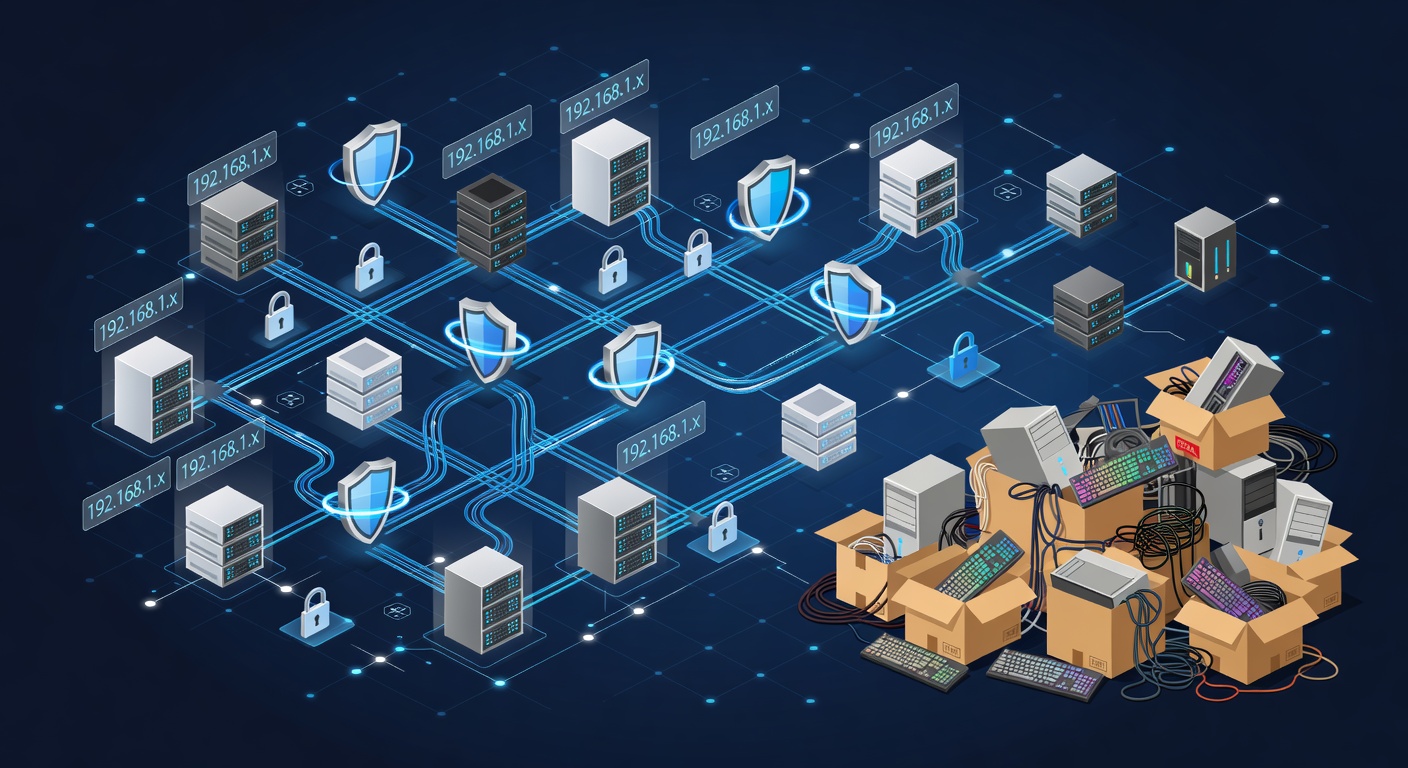
Den dolda prislappen på egna IT-inköp
IT-inköp är tråkiga. De är jobbiga. Och de är onödigt krångliga. Du behöver en ny dator eller server. Då hamnar du i en labyrint av specifikationer, varumärken, kompatibilitetstester, förhandlingar med säljare, leveransväntan och fingerkorsning för att installationen ska funka.
Under tiden slösar din IT-avdelning tid på uppgifter de inte är anställda för.
Det ingen snackar om: billig prylar från vanliga butiker leder till dyra problem senare. Du sparar några tusenlappar på en laptop. Den krånglar med nätverket. Plötsligt lägger du tiotusentals på felsökning och byte. Det är ingen besparing. Det är en fälla.
Concierge-tänket funkar på riktigt
Tänk på ett fint hotell. Du behöver tips på restaurang. Du ringer receptionen, beskriver vad du vill ha. De fixar bordet. Du slipper research och stress.
En duktig MSP ska jobba exakt så med dina IT-köp.
Du beskriver behoven. MSP:n föreslår prylar som passar din specifika infrastruktur, sköter kontakter med leverantörer, hanterar frakt och setup. Du får en färdigmaskin. Faturan? En rad istället för kaos med kvitton från alla håll.
Enkelt. För det borde vara enkelt.
Tre konkreta skäl att bry sig (utöver bekvämligheten)
De känner din IT-miljö på djupet
MSP:n föreslår inte slumpmässiga grejer. De vet ditt nätverk, dina program, säkerhetskrav och expansionsplaner. De har testat utrustning, snackat med tillverkare och plöjt tech-dokument som andra skippar.
Det gör stor skillnad. En spec på papper ser bra ut. Men den kanske inte funkar med din MDM-plattform, saknar rätt processor för era appar eller skapar konflikter som tar veckor att lösa. MSP:n har sett fällorna förut.
De har koll på företag som ditt
MSP:er hanterar massa bolag i din bransch. De vet vad som håller, vilka inställningar som rocks och vilka fel som dyker upp. Det är guld värt – ingen specifikation eller säljare kan matcha det.
Konsumentprylar lockar med priset. Men företagsgrejer är byggda för tuffare tag: hållbarhet, central styrning, säkerhet och uptime dygnet runt. Skillnaden mellan "funkar för skoluppgifter" och "klarar proffsbruk" är enorm.
Fakturering och budget blir barnsligt lätt
Inga lösa inköpsorder, spridda räkningar eller vendor-konton. Allt hamnar på månadsfakturan. Budgetering blir självklart. Ekonomiavdelningen jublar. IT-teamet andas ut. Alla vinner.
Hemligheten? MSP:er köper i bulk och har direkta kanaler till distributörer. De matchar ofta butikspriser – eller slår dem. Du betalar marknadsvärde plus expertis och support.
Sanningen om "jämförbara priser"
Ärligt talat: Ja, du hittar ibland billigare deals, speciellt på reor. Men vad jämför du egentligen?
Den 6000-kronorslaptopen från nätbutiken? Bara en specifikation.
Samma via MSP:n? Kompatibilitetscheck, setup, leverans, integration i era verktyg och support vid problem. Plus trygghet från någon som fattar ert bolag.
Räkna in teamtid, felsökningsvärk och risker – MSP-alternativet vinner oftast.
Det stora problemet MSP:er löser
Många företag har ett rum fullt av halvfungerande datorer. Köpta huller om buller utan plan. En chef nappade på rea. Någon behövde akut och köpte vad som fanns. Ersättningsmodellen matchade inte nätverket.
Inga katastrofer var för sig. Men ihop blir det teknisk skuld. Frustrerad personal. Säkerhetshål när prylarna inte följer era standarder.
En bra MSP stoppar det. De blir ensam beslutsfattare för inköp. Allt blir enhetligt. Kompatibelt. Pålitligt.
Slutsatsen
Din IT-personal utbildades inte till inköpare. Din MSP har träning i infrastruktur, kompatibilitet och leverantörer.
Sluta se hårdvaru-shopping som hobbyprojekt. Låt experterna ta hand om det. Ring MSP:n, säg vad du behöver. Fokusera på företaget istället.
Det är poängen med en MSP från början.
Taggar: ['managed services provider', 'it procurement', 'hardware management', 'msp services', 'enterprise technology', 'zero-touch provisioning', 'it infrastructure', 'business-grade hardware', 'vendor management']