Akira dök upp på ransomware-scenen 2023 och har redan snott över 42 miljoner dollar från mer än 250 organisationer. Det som gör den extra farlig är inte bara krypteringen – det är dubbelutpressningen som håller offren vakna om nätterna. Här är det du behöver veta för att skydda ditt företag.
Akira-ransomware: En enda VPN-svaghet kan kosta miljoner
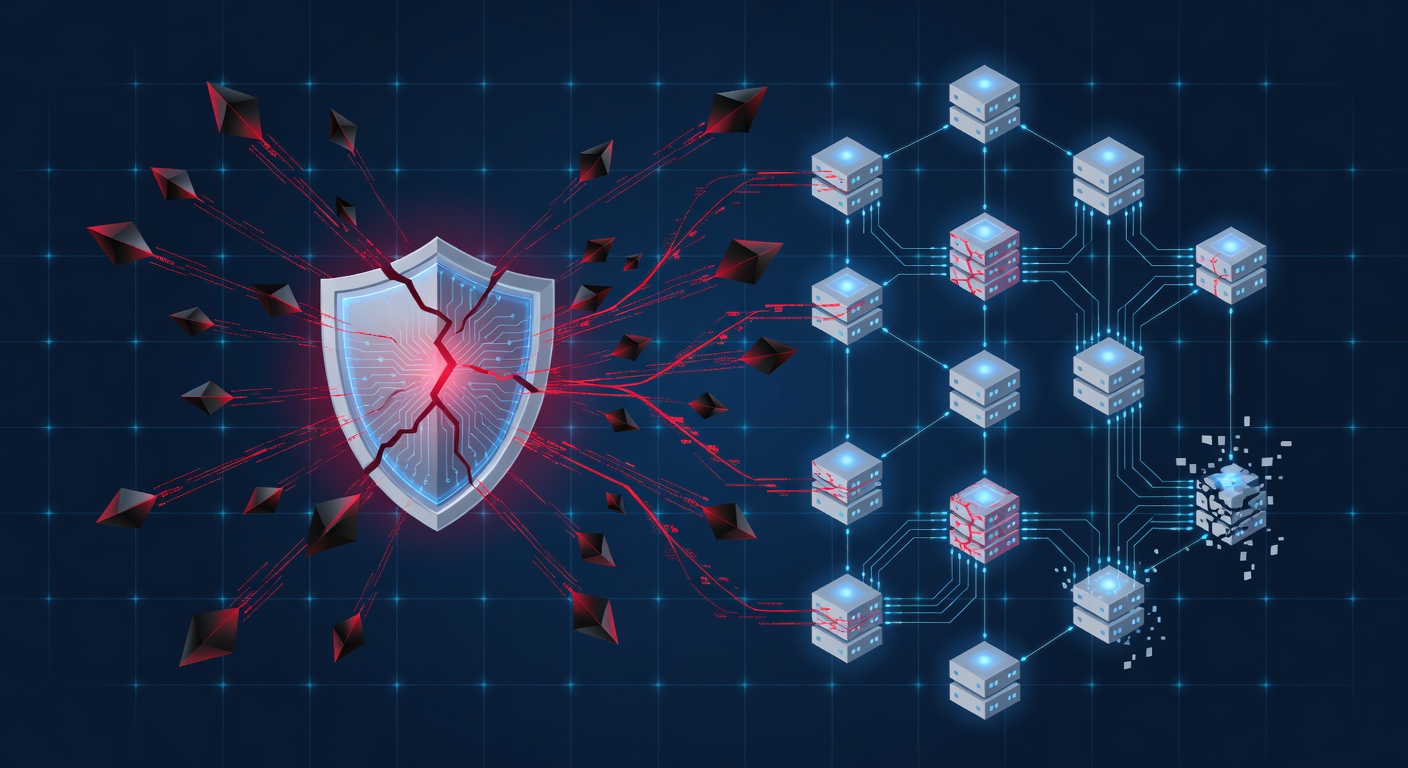
Akira-ransomware: En enda VPN-svaghet kan kosta miljoner
Akira dök upp i mars 2023 och slog till hårt direkt. Snart fylldes nyheterna med offer. Den här ransomware-as-a-service-plattformen (RaaS) plockade hem 42 miljoner dollar från över 250 företag i Nordamerika, Europa och Australien – bara under första kvartalet 2024. Gangstern skryter öppet om framgångarna.
Men det värsta med Akira? Det är inte bara kryptering av filer. Det är stöld av data som gömmer sig bakom ransomware-fasaden.
Dubbel utpressning som verkligen biter
Akira har en affärsmodell som skrämmer vettet ur en. Traditionell ransomware krypterar filer och kräver pengar. Har du backups? Inga problem, du återställer och kör på.
Akira gör annorlunda. De snor känslig data först – kundlistor, finanser, hemligheter. Sedan krypterar de. Betala för dekryptering, annars läcker allt på deras hemsida. Backups räcker inte längre. Skadan är redan ett faktum.
Därför lyckas de så bra. Du väljer inte mellan betalning och dataåtkomst. Du väljer mellan pengar och offentlig skam.
Så tar de sig in – VPN är deras favoritväg
Akira använder inga högteknologiska noll-dagars-attacker. De utnyttjar enkla svagheter i fjärråtkomst. Huvudingången? Stulna VPN-uppgifter utan multifaktorautentisering (MFA).
Tänk efter. Ett användarnamn och lösenord är nyckeln till ditt nätverk. Utan extra verifiering, som en kod från mobilen, glider de in obemärkt. De ser ut som vilken anställd som helst som jobbar sent.
Väl inne rör de sig smart. De stänger av antivirus. Jakar admin-lösenord. Raderar dolda backups. Krypterar allt. Sedan krav.
Eftersom det är RaaS varierar metoderna. Vissa affiliates kör bara VPN-hack. Andra blandar med phishing eller sårbarheter. Standardverktygen, men egna grepp.
Försvar i lager – en lås räcker inte
Hur skyddar du dig? Svaret heter försvar i djupet. Flera lager säkerhet, så ett misslyckande stoppas av nästa.
Börja med Akiras favorit: MFA på VPN. Punkt slut. Utan det är det som en öppen dörr.
Patcha mjukvaran snabbt. Sårbarheter är inbjudningar. Starka lösenord på admin-konton – glöm "lösen123".
Men det räcker inte. Det är reaktivt. Akira är tålmodiga proffs med resurser. De hittar alltid luckor.
Varför vanliga säkerhetsåtgärder inte håller
Även perfekta grundkontroller knäcks av Akira. De driver ett företag med tid och expertis. De testar tills de lyckas.
Därför behövs oföränderliga backups, hårdade servrar och ständig övervakning. Men få har SOC dygnet runt.
Där kommer managed detection and response (MDR) in. Inte mirakel, men förstärkning.
Människan plus automation – det enda som funkar
Min åsikt: Blanda automation och mänsklig hjärna mot ransomware.
Automation fångar misstänkta mönster. Ovanlig inloggning kl 3, filjakande, kryptering – stoppat på minuter.
Men Akira anpassar sig. Döljer spår. Maskiner missar nyanser. Då behövs analytiker som granskar: Är det normalt? Vad är bakgrunden? Slå till eller samla mer info?
Tillsammans blir det vapnet mot RaaS. Inte murar, utan vakande ögon som reagerar snabbt.
Den jobbiga sanningen
Akira slutar inte medan pengarna rullar in. De har visat att de kan slå stort, stjäla data i mängd och tjäna pengar trots polisen.
Enda sättet att stoppa dem: Gör attacker dyrare och segare.
- Sätt upp kända säkerhetskontroller på riktigt.
- Satsa på ständig övervakning och respons.
- Oföränderliga backups som inte går att sudda.
- Anta att intrång kommer – planera återhämtning.
Inget är flashigt. Men det skiljer snabb återstart från kaos.
De som överlever är inte de som tror sig osynliga. De som förbereder sig för det värsta.
Varno dig, patcha allt och räkna ut hur lång tid återstart tar om allt rasar. Den insikten prioriterar säkerhet bättre än någon artikel.
Taggar: ['ransomware', 'akira', 'cybersecurity', 'vpn security', 'mfa', 'managed detection and response', 'data breach prevention', 'ransomware-as-a-service']