Most companies still check for security holes like they check their mailbox — once a week, maybe. But hackers don't wait, so why should your defenses? Here's why continuous vulnerability scanning is becoming the security standard that actually works.
Stop Waiting for the Next Security Disaster: Why Real-Time Vulnerability Scanning is Your Best Defense
Stop Waiting for the Next Security Disaster: Why Real-Time Vulnerability Scanning is Your Best Defense
Remember when antivirus software updated once a year? Yeah, that didn't work out great. The same logic applies to vulnerability scanning — yet a surprising number of organizations still run security checks on a schedule, not in real-time.
Here's the brutal truth: the average time between when a vulnerability is discovered and when hackers start exploiting it is measured in hours, not weeks. If you're only scanning your systems every month or quarter, you're basically leaving your front door unlocked and checking on it during your quarterly review.
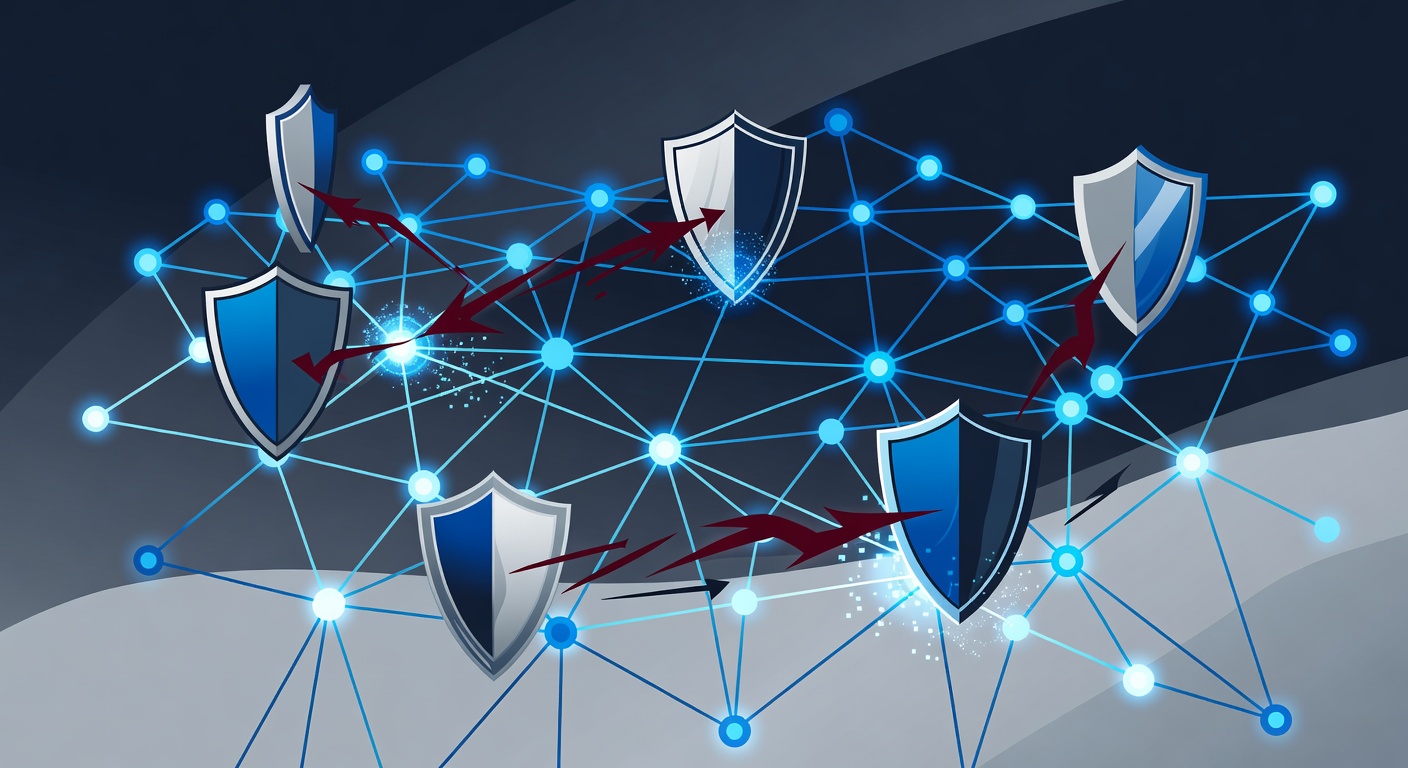
Continuous vulnerability scanning flips this script entirely. Instead of scheduled checkups, it's like having a security guard patrolling your network 24/7/365, immediately flagging problems the moment they appear.
What's Actually Happening Behind the Scenes?
So how does continuous scanning actually work? It's not some magical AI — it's methodical, persistent, and frankly pretty clever.
Your perimeter gets hunted constantly. The system actively searches for exposed ports, misconfigured services, and other weaknesses that attackers love to exploit. Think of it like someone constantly trying every door and window of your house to see if it's locked.
Your internal network gets deep-scanned regularly. This isn't just surface-level checking. It's diving into your actual network architecture to find weak points you might not even know exist.
Everything gets discovered and cataloged automatically. New servers spin up? New cloud services get deployed? The scanning system catches them immediately. This is actually crucial because "shadow IT" — unauthorized software or cloud services — is one of the biggest security blindspots for most organizations.
Cloud services get detected and tracked. If your team signs up for a SaaS tool without IT approval, continuous scanning finds it. You can't protect what you don't know about.
All of this is powered by constantly updated vulnerability databases like the NIST National Vulnerability Database (NVD) and the CVE (Common Vulnerabilities and Exposures) registry, which track over 230,000 known vulnerabilities. When a new vulnerability is announced anywhere in the world, the scanning system knows about it almost instantly.
The Part Everyone Actually Cares About: Fixing It
Here's where continuous scanning becomes a game-changer: automated remediation.
When a vulnerability is found, the system doesn't just send you a notification and let it sit. If there's a patch available, it can automatically push that patch out across your entire infrastructure. We're talking about potentially hundreds of third-party applications getting updated without manual intervention.
If an automatic patch isn't possible (some updates require human approval or specific testing), the system creates a ticket immediately. You know about it, it's tracked, and it's on someone's radar before they've even finished their morning coffee.
This is worlds apart from finding a vulnerability, emailing about it, waiting for approval, scheduling a maintenance window, and finally patching it three weeks later. In the cybersecurity world, that's an eternity.
Why This Actually Matters to Your Business
You might be thinking, "Okay, so it scans faster. Does that really change anything?"
Yes. Dramatically.
You're actually ahead of attackers for once. Most breaches happen because hackers find vulnerabilities before the victims do. Real-time scanning flips that equation. You know about weaknesses before they're actively being exploited.
Your attack surface shrinks. Every vulnerability that exists is a potential entry point. The longer a vulnerability sits unfixed, the more time hackers have to find and exploit it. Continuous scanning and remediation dramatically reduces this window.
Your team actually has time to breathe. Instead of scrambling to fix 500 vulnerabilities discovered in a monthly scan, you're dealing with them as they appear — in manageable numbers.
Compliance auditors actually smile at you. If you work in healthcare, finance, or any regulated industry, continuous security monitoring isn't just recommended — it's often required. Demonstrating that you're proactively scanning and addressing vulnerabilities is exactly what regulators want to see.
The Real Talk
I'm not going to pretend continuous vulnerability scanning is a silver bullet. It's not. No security tool is. But it's one of the smartest foundations you can build your security strategy on.
The question isn't really "Can we afford continuous vulnerability scanning?" It's "Can we afford not to do it?"
Because eventually, vulnerability scanning will be standard practice — not because it's trendy, but because it actually prevents breaches. The organizations that adopt it now will be the ones still standing when the next major exploit hits.
Tags: ['vulnerability scanning', 'cybersecurity', 'network security', 'continuous monitoring', 'compliance', 'it security', 'cyber defense']