Małe firmy to magnes dla hakerów, a większość działa bez sensownej strategii bezpieczeństwa. Dobra wiadomość? Nie trzeba wielkiej ekipy IT ani budżetu giganta – wystarczy mądrze podejść do ochrony.
Cyberbezpieczeństwo: pobudka dla właścicieli małych firm!
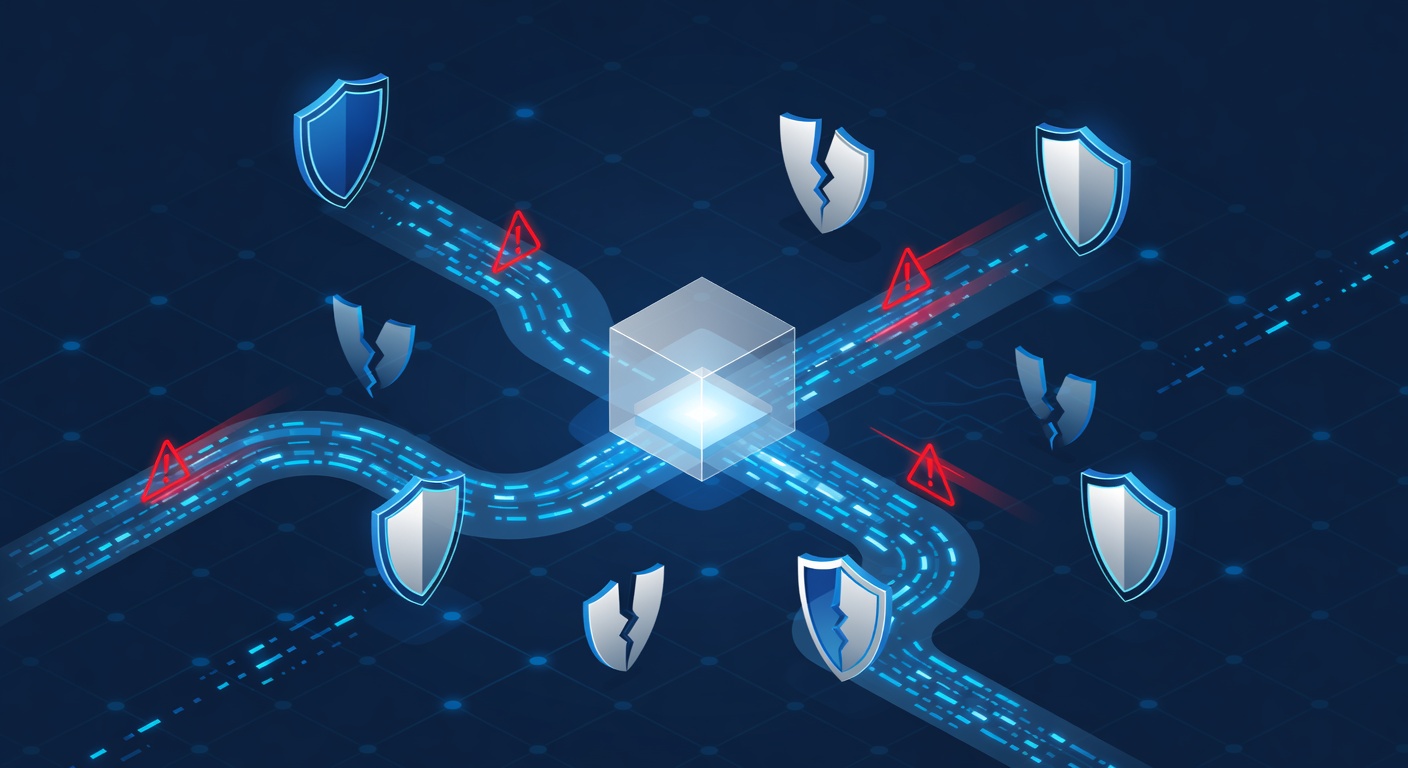
Nieprzyjemna prawda o bezpieczeństwie małych firm
Prosto z mostu: hakerzy uwielbiają małe firmy. Nie dlatego, że jesteście fascynujący. Po prostu jesteście łatwiejszym łupem niż korporacje.
Wyobraź sobie. Wielkie koncerny z listy Fortune 500 pompują miliony w ochronę. A wy? Często improwizujecie. Właściciel myśli o rozwoju, pracownicy harują na pełnych obrotach, a bezpieczeństwo? Zazwyczaj na końcu listy. Do czasu, aż stanie się dramat. Wtedy już za późno.
Widziałem to nie raz. Ransomware blokuje całą działalność. Dane klientów wyciekają. Finanse lądują u obcych. Skutek? Zerowy przychód, zszargana marka, a czasem zamknięcie interesu.
Dlaczego małe firmy są takie bezbronne
Właściciele firm ciągle mi powtarzają: "Nie stać nas na ekipę IT" albo "Nie wiemy, od czego zacząć".
To zrozumiałe. Całkiem normalne.
Brak zasobów
W małym zespole każdy robi wszystko. Ten od maili ogarnia też stronę www i obsługę klienta. Cybersecurity expert? Marzenie. A pełnoetatowy specjalista to wydatek 300-600 tysięcy złotych rocznie. Skąd to wziąć?
Luka w wiedzy
Bezpieczeństwo to nie rocket science, ale zmienia się jak w kalejdoskopie. Co tydzień nowe dziury. Zero-dniowe ataki, phishing, mutacje ransomware. Bez specjalisty – jak się bronić?
Zalew skomplikowania
Wejdź do sklepu z narzędziami cyber – utoniesz w skrótach: MFA, EDR, SIEM, CASB. Nikt nie zakładał firmy, by studiować to. To nierealne.
Prawdziwy rachunek za ignorowanie ochrony
Zmiana perspektywy: bezpieczeństwo to nie fanaberia – to tarcza przed stratami.
Jeden wyciek danych? Rachunek od 800 tysięcy do 4 milionów złotych. Bo:
- Przestoje i stracony czas
- Powiadomienia i monitoring dla klientów
- Kary i prawnicy
- Naprawa wizerunku
- Deduktyble z ubezpieczenia
Porównaj z kosztem solidnej strategii na start. To nie wydatek. To polisa.
Inteligentny plan: strategia na miarę
Rozwiązanie? Plan bezpieczeństwa dopasowany do ciebie.
Nie kupuj wszystkiego naraz. Skup się na trzech filarach:
Pierwszy: Zidentyfikuj swoje ryzyka
Nie każdy wróg jest równy. Gabinet lekarski ma inne bolączki niż agencja reklamowa. Płatności kartą? Inne priorytety.
Zanim wydasz złotówkę, sprawdź: jakie dane masz cenne? Co boli najbardziej, jeśli ucieknie? To podstawa.
Drugi: Priorytetyzuj jak przedsiębiorca
Nie malujesz ścian, gdy dach przecieka. Tak samo tu.
Zrób listę luk, od najgroźniejszych. Najpierw mocne hasła i dwuskładnikowe logowanie. Potem łatki w kluczowych systemach. Sekwencja, nie chaos.
Trzeci: Mierz efekty
Lubię liczby. Co nie mierzysz, tego nie poprawisz.
Śledź konkrety:
- Ilu ludzi przeszło szkolenie?
- Jak szybko łatacie krytyczne dziury?
- Ile phishingów zgłoszono, a ile kliknięto?
- Czas reakcji na incydent?
To pokazuje, czy stajesz się silniejszy, czy tylko droższy.
Zewnętrzna pomoc – z głową
Rewelacja dla wielu: wirtualny lider bezpieczeństwa.
Zamiast CISO za grubą kasę, weź specjalistę na zlecenie. On:
- Oceni stan i wskaże słabe punkty
- Ułoży plan pod budżet i cele
- Dopilnuje zgodności z przepisami
- Da strategiczny wzrok
Jak doradca w kieszeni, bez etatu.
Test rzeczywistości w cyberbezpieczeństwie
Nie jest to sexy. Polityki haseł, harmonogramy aktualizacji, szkolenia, dokumenty. Zero fajerwerków dla inwestorów.
Ale co jest sexy? Firma na nogach po ataku. Spokojny sen z chronionymi danymi. Brak nagłówków o twoim ransomware.
Wniosek: Nie musisz być jak bank. Wystarczy, by hakerzy wybrali sobie inną ofiarę.
Tyle wystarczy.
Zacznij od małego, działaj z planem, mierz postępy, skaluj z firmą. Przyszły ty – bez wycieku – podziękuje.
Tagi: ['small business cybersecurity', 'cybersecurity strategy', 'data breach prevention', 'business security planning', 'cyber threats']