Mange småbedriftseiere tror de sparer penger med reaktiv IT-støtte. Men de spiller en farlig lek. Her er hvorfor proaktiv, håndtert IT-tjeneste kan være den beste investeringen bedriften din ikke visste den trengte.
Slik blør bedriften din penger på break-fix IT – og løsningen som stopper det
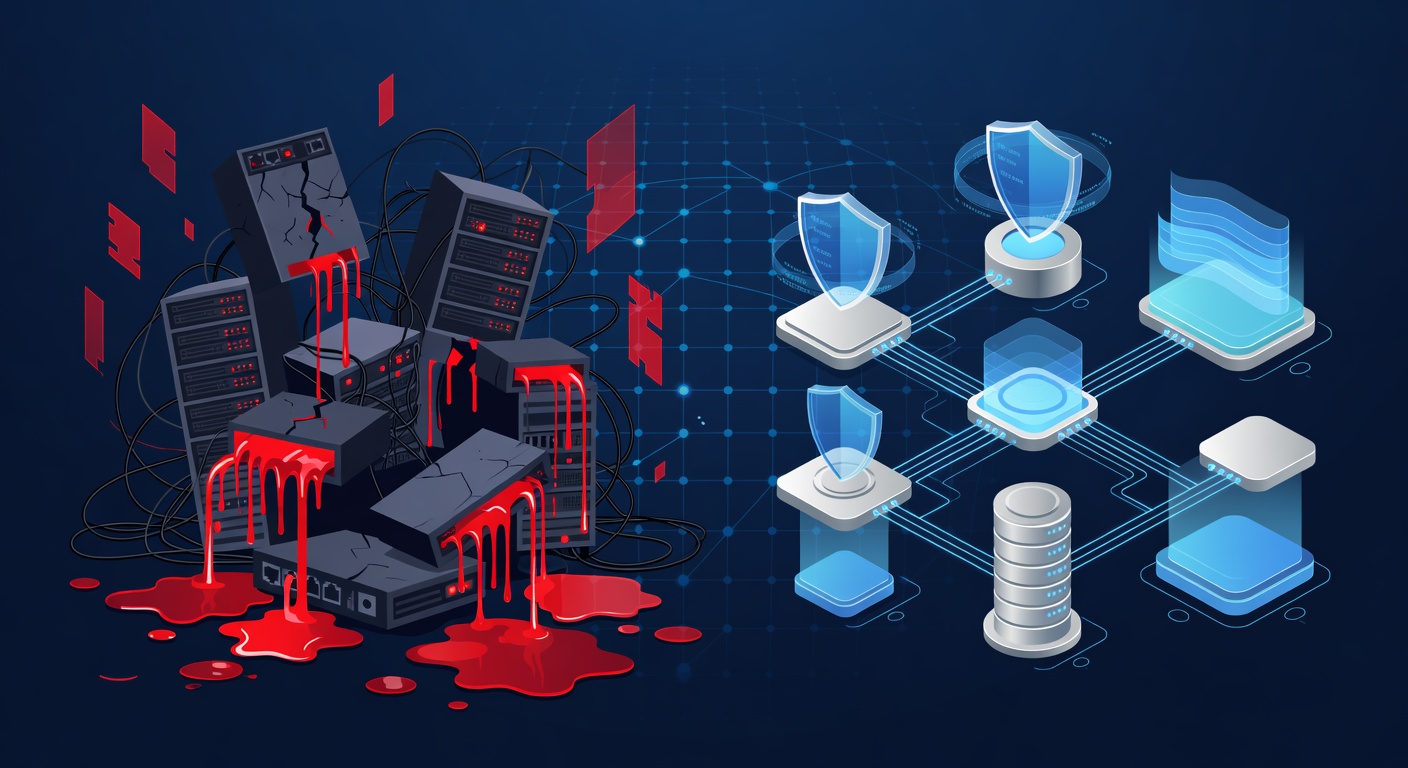
Sparepengenes felle: Hvorfor «rykkefiks-IT» virker billig – til det plutselig ikke er det
Jeg skjønner det godt. Driver du bedrift med stramt budsjett? Da frister det å betale IT-folk bare når noe kræsjer. Ingen faste månedsavgifter. Ingen unødvendige utgifter. Bare betale for det du bruker. Enkelt og greit, ikke sant?
Men her er haken. Det er som å droppe bilservicen for å spare på oljeskift – til motoren ryker midt på motorveien og reparasjonen koster 50 000 kroner.
Rykkefiks-IT frister med lav pris nå. De skjulte kostnadene? De sniker seg inn og rammer hardt når du minst venter det.
Den sanne prisen på reaktiv IT-støtte
Tenk på hva som skjer når systemene dine legger på. Du ringer reparatøren i panikk.
Driftstopp dreper produktiviteten. E-posten svikter. Fildeling stopper. Salgsprogrammet krasjer. Hele teamet står stille. Ikke bare tregere – full stopp. Det irriterer, men verre: Det koster flesk. Forskning viser at IT-nedetid tar hundretusener i timen, avhengig av bransje.
Og ventetiden? Du ringer, forklarer, venter på diagnose, venter på løsning. Medarbeidere sitter på tomgang. Kunder får ikke svar. Inntekter forsvinner.
Uforutsigbare regninger ødelegger budsjettet. En måned: 5000 kroner. Neste måned: Serverkollaps, og plutselig 30 000 kroner. Umulig å planlegge. Økonomisjefen griner. Du griner.
Ingen dokumentasjon forlenger marerittet. Rykkefiks-folk hopper mellom kunder. Din nettverk? Null oversikt over programvare, maskinvare eller oppsett. De bruker timer på å kartlegge før de fikser. Og det faktureres.
Fryktkultur vokser frem. Medarbeidere vegrer seg for å melde feil – det koster jo penger. Liten e-postglitch? Restart. Tregt nettverk? Klage til kolleger. Til slutt eksploderer det. Teamet ditt gjemmer problemer i stedet for å løse dem.
Managed IT: Forebygging slår krisehåndtering
Nå snur vi det. Managed IT handler om å slukke brannene før de blusser opp.
Stabile kostnader gir ro. Fast månedspris. Punktum. Du vet hva IT koster. Budsjettet holder. Økonomiavdelingen sover godt. Du sover godt. Ingen sjokker på 30 000.
Forebygging lønner seg alltid. Logisk: Regelmessige oppdateringer, sikkerhetspatcher og backup koster mindre enn ransomware som låser filer. Mindre enn datainnbrudd med kundelekkasje. Mindre enn nedetid fra forsømte systemer.
Det er som tannpuss daglig – i stedet for rotfylling etterpå.
Drift blir standarden. Leverandører overvåker døgnet rundt. Diskplass fylles? De utvider først. Sikkerhetshull? Patch umiddelbart. Backup feiler? Fikset før krisen. Du fokuserer på vekst, ikke kaos.
Ekspertise på heltid. De lever av IT. Kjenner trusler, bransjeregler og ditt oppsett ut og inn. Feil skjer sjelden – og fikses lynraskt.
Sikkerhet i førstesete. Rykkefiks fikser ikke sikkerhet med mindre du maser. Managed IT baker det inn: To-faktor, audits, opplæring, trusselovervåking. Alt inkludert.
Hvilken modell passer din bedrift?
Ærlig talt: Rykkefiks funker for mikrobedrifter der IT er biprodukt. Solo-rådgiver med skyverktøy og lav risiko? Greit nok.
Men de fleste undervurderer IT-avhengigheten. E-posten du bruker konstant? Kundedatabasen? Skyappene? Nedetid rammer hardt.
Valget står mellom dette: Vil du satse bedriften på at ingenting ryker? For det er rykkefiks.
Managed IT er ingen kostnad – det er investering i kontinuitet, sikkerhet og forutsigbarhet. Noen vokter systemene. Data sikres. Virksomheten ruller.
I en verden med økende cybertrusler og dyre nedetider? Den roen er gull verdt.
Kort sagt: Rykkefiks-IT føles billig – til regningen smeller. Managed IT virker dyrt – til du ser besparelsene. Velg smart.
Tagger: ['it support', 'managed services', 'business technology', 'network security', 'cybersecurity', 'it infrastructure', 'cost savings', 'break-fix vs managed it', 'small business it']