Hva skjer når en marinebrannmann bytter ut bølgene med nettverksikkerhet? Vi tok en prat med Ryan, en veteran som nå er sikkerhetsanalytiker. Han forteller om de uventede likhetene mellom militærtjeneste og kyberarbeid – og hvorfor de tøffeste folkene ofte blir de beste vokterne av vår digitale sikkerhet.
Fra marineveteran til cybersikkerhetstopp: Ledelsesleksjoner som teller
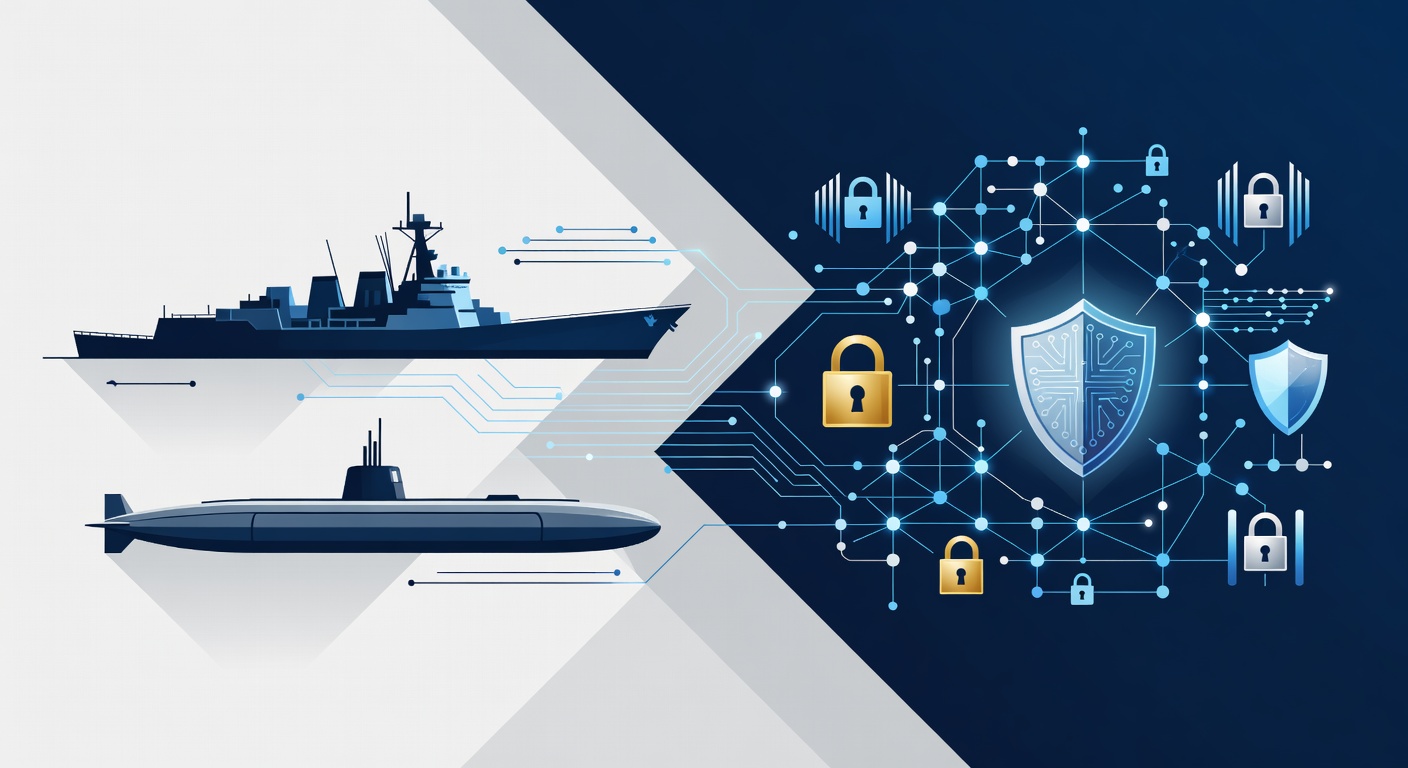
Fra marinsoldat til nettvernsoldat: En veteran tar ny kurs
Tenk deg dette: Ferdighetene som holder et marineskip flytende, passer perfekt til å vokte et selskaps digitale slott. Det høres rart ut, men snakk med Ryan. Han slukket branner på skip i marinen. Nå jakter han cybertrusler for bedrifter. Vi pratet med ham nylig, og det ga oss mye å tygge på.
Det som imponerer mest, er hvordan Ryan så sammenhengen selv. Han koblet havets kaos til kontorets trusselbilder. Det krever innsikt fra ekte prøvelser, ikke bare teori.
Arven fra familien som styrte valget
Ryan valgte ikke marinen på slump. Hele slekten hans hadde uniformer i skapet. Far, onkler og bestefar i hæren. Bestemors brødre på sjøen. Det var ikke hobby – det var livsstil.
Som gutt sugde han til seg historiene. Pliktfølelse og nysgjerrighet vokste frem. Han ville leve det selv, ikke bare høre om det. I januar 2012 meldte han seg. Fire år som brannmann på skip. Et jobb som krever mer enn de fleste skjønner.
Slike røtter gir solid grunn. De peker mot noe større enn lønn eller status. Perfekt når stormen kommer.
Lederskap som sitter i ryggmargen
Vi spurte om lederferdigheter fra marinen. Ryan pekte på to nøkkeler: drivkraft og selvtillit.
Drivkraft handler om å jage potensialet ditt. Ikke for show, men for å unngå stagnasjon. På skipet finnes ingen hvile. Nye oppgaver dukker opp. Omringet av folk som pusher grenser – du løftes eller synker. Ryan løftet seg.
Selvtillit er motoren. Den lar deg handle når tvilen biter. "Lytta til indre stemmen, selv i uværet," sa han. Spot on.
I cybersikkerhet passer det perfekt. Trusler endrer seg raskt – du må lære non-stop. Og når alarmen går, trengs beslutninger uten nøling. Militæret og nettverk krever det samme.
Den beste ferien midt i tjenesten
Beste minne fra marinen? Ikke krigshistorier. Ryan smilte bredt om Palma de Mallorca. Skipet la til kai der under oppdrag.
Strender, spansk kultur, varme folk. Enkelt og godt.
Det viser at selv i hardt miljø, teller de små øyeblikkene. Kulturmøter og frihet fra press. De minner deg på hva du beskytter – roen hjemme.
Skiftet: Marinens jernhånd i cyberverdenen
Hvordan bli sikkerhetsanalytiker fra brannmann? Ryan studerte mens han jobbet. Tok en associate-grad i cybersikkerhet. Ferdig i 2022. Så fikk han jobb der de verner både tech og myke ferdigheter.
Han trekker linje fra skipslag til teamarbeid i sikkerhet. På sjøen stoler du på mannskapet – alt kan snu på sekundet. Tillit bygges, ikke gis.
Samme i cybersikkerhet. Analytikere, ingeniører og IT-folk må synke sammen. En feil, og hele nettverket faller. Akkurat som et skip i uvær.
Større bildet: Veteraner fortjener smart ære
Ryans råd til kolleger: "Tøffe tider varer ikke. Tøffe folk gjør det."
Kort, men kraftfullt. Veteraner vil ikke ha sympati. De vil anerkjennelse for ferdigheter. Disiplin, krisehåndtering, lagånd, arbeidsmoral – alt er trent inn.
Cybersikkerhet trenger nettopp dette. Ikke bare kode. Tenk som hackeren. Vær ett skritt foran. Militær bakgrunn gir den edge.
Poenget
Ryans vei fra marinen til cybersecurity er mer enn inspirerende. Den viser at kjerneferdigheter flytter seg mellom verdener. Invester i læring, så pivotér du.
Marinen gir driv, tillit, disiplin og pålitelighet. De forsvinner ikke med uniformen. De skinner i sivile jobber som krever hode og hjerte under press.
Veteraner? Tenk karriereskifte. Bedrifter? Ansett dem. De er skolert i historiens tøffeste lederakademi.
Tagger: ['veterans', 'cybersecurity careers', 'military leadership', 'career transition', 'network security', 'veterans day', 'hiring veterans', 'professional development']