Your server is slowly falling apart without you realizing it. Like a house that needs constant maintenance, servers drift toward vulnerability when ignored. Here's why hardening your server today prevents a security disaster tomorrow.
Why Your Server Isn't as Secure as You Think (And How to Fix It)
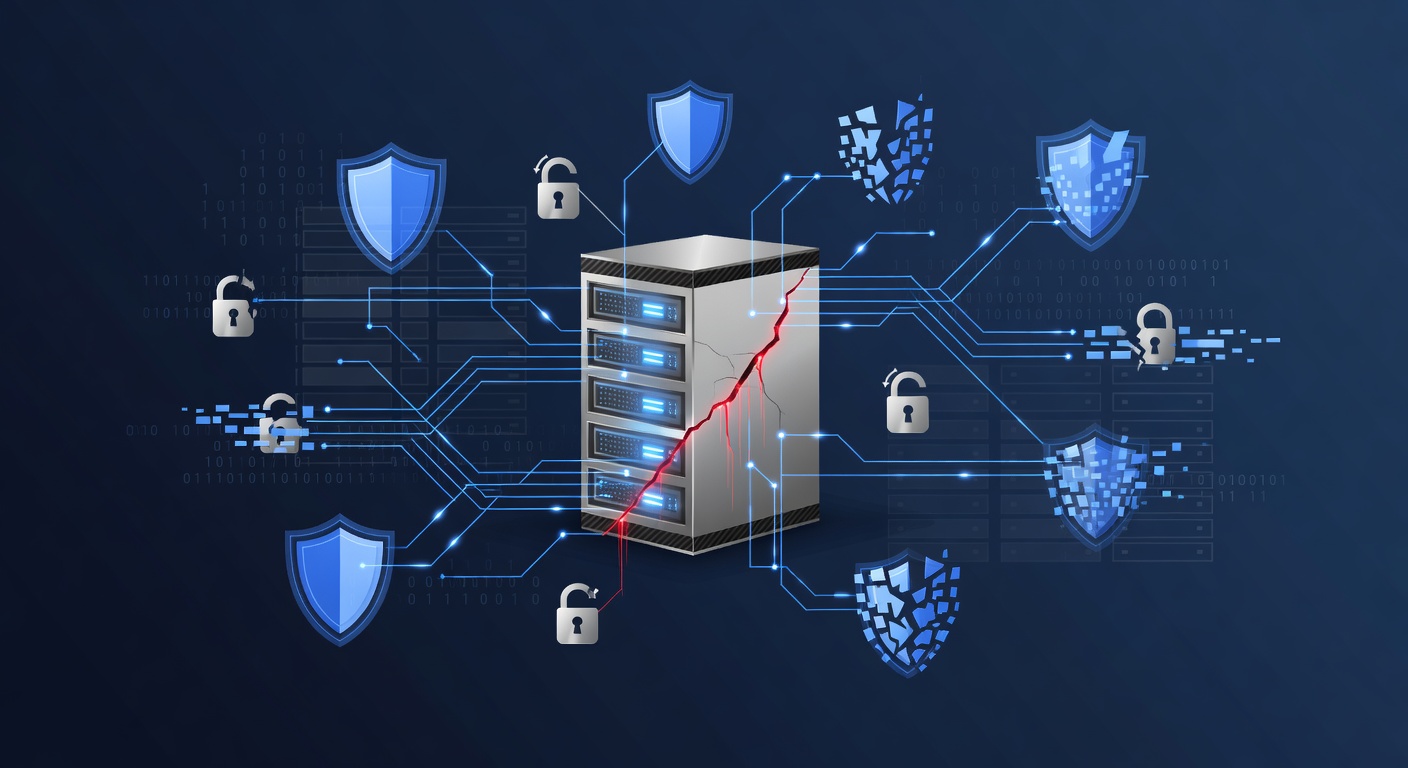
Why Your Server Isn't as Secure as You Think (And How to Fix It)
You know that feeling when you clean out your garage, car trunk, or basement? Everything is organized, optimized, and perfect for about two weeks. Then life happens. Stuff piles up again. Tools get misplaced. You forget what you even threw away.
Your server does the same thing.
I call it server drift, and it's probably happening to you right now whether you know it or not.
The Slow Creep of Server Decay
Server hardening—the process of tightening security, removing unnecessary software, and optimizing configurations—is like that satisfying moment when everything is clean and in its place. Your server runs lean, fast, and secure. But without ongoing attention, it slowly drifts back toward chaos and vulnerability.
Here's what's insidious about server drift: it's invisible. Nothing dramatic happens. You don't get a breach notification tomorrow. Instead, weeks and months pass. Updates get skipped. Old software lingers around "just in case." Permissions get added and never removed. Documentation gets outdated. And suddenly, your "hardened" server looks more like a target range for hackers.
The stakes are genuinely high here. A breached server isn't just an IT headache—it's a business nightmare. We're talking exposed customer data, financial records compromised, regulatory fines, lawsuits, and the years-long process of rebuilding trust with your users. One incident can tank your reputation in the digital age.
What Actually Causes Servers to Fall Apart?
Let me walk you through the real-world reasons server security degrades:
Staff turnover is sneaky. That person who originally set up your server? They leave for a new job, and their knowledge walks out the door with them. The new team member doesn't know why certain configurations exist, so they make changes that create tiny cracks in your security.
Proprietary software is a black box. When you're running software you can't fully understand or inspect, you lose visibility. You don't know how updates might break things. You can't troubleshoot confidently. This uncertainty breeds configuration drift.
Hardware ages like milk, not wine. Old equipment becomes increasingly vulnerable. Performance tanks. Security patches stop being released. Older components are more susceptible to known exploits because they were never designed to defend against modern threats.
Ghost software haunts your systems. That application nobody uses anymore? It's still installed, still exposed, still a potential attack vector. Every unused piece of software is an unnecessary door for attackers to try.
Shadow IT sneaks around your defenses. Employees use their own cloud services, bypass your security protocols, and download tools without IT approval. These unauthorized systems create blind spots in your security architecture.
Updates get pushed to the back burner. Yes, updates are annoying and sometimes cause problems. Yes, they require testing. But delaying them is like ignoring your car's check engine light—it only gets worse.
Too many cooks in the kitchen. When multiple people have admin access with varying permission levels, nobody fully understands what's happening. You get accidental misconfigurations and security gaps that slip through the cracks.
Documentation? What documentation? I can't tell you how many server environments operate on tribal knowledge. When the person who "knows how things work" leaves, the whole operation becomes fragile.
So What Do You Actually Get from Hardening?
Beyond the obvious "don't get hacked" benefit, hardening delivers real, measurable improvements:
Your attack surface shrinks dramatically. Every unnecessary service, every unused port, every outdated application is a potential entry point for attackers. Remove the clutter, and you've eliminated entire categories of attacks. It's basic math: fewer doors means fewer doors to defend.
Your servers actually perform better. This surprised a lot of people when I first mention it, but it makes sense. Unnecessary software consumes resources. Poor configurations waste processing power. A hardened server is fast, stable, and reliable. Your users notice. Your business feels it.
Compliance becomes manageable. Whether you're dealing with GDPR, HIPAA, PCI-DSS, or industry-specific regulations, hardening your servers demonstrates that you take security seriously. That proactive approach isn't just good security—it's good business. It keeps regulators happy and fines at bay.
You sleep better at night. This one's worth mentioning. When you know your servers are hardened, documented, and properly maintained, you're not stressed about the next breach. Your team can focus on growth instead of constantly fire-fighting security issues.
The Real Talk: This Isn't a One-Time Thing
Here's what most people get wrong about server hardening: they treat it like a project with an end date. You harden the server, check the box, and move on. Then six months later, everything's drifted back to chaos.
Server security is maintenance, not renovation.
Implement proper documentation so the next person understands your decisions. Set up role-based access so only the right people can make changes. Create a change management process so you catch drift before it becomes a problem. Establish a regular audit schedule. Test updates in a non-production environment before rolling them out.
Most importantly, build a culture where security is everyone's job. It's not just the IT department's responsibility. When your whole team understands why servers need hardening, you're halfway to solving this problem.
The Bottom Line
Your server is drifting right now. Maybe it's early in the drift—just a couple of outdated packages, a few unused services. But if you don't address it, you'll wake up one day realizing your security posture is much worse than you thought.
The good news? This is fixable. Start today. Clean out the clutter. Document what you're doing. Remove what you don't need. Update what you do. Implement proper access controls. And then—this is crucial—maintain it.
A hardened server isn't just more secure. It's faster, more stable, and more compliant. It's worth the effort, I promise.
Tags: ['server hardening', 'cybersecurity', 'server security', 'configuration drift', 'it maintenance', 'network security', 'compliance', 'access control']