A legtöbb startup biotech cég csak utólag foglalkozik az IT-vel – amíg el nem tűnik a kulcsfontosságú kutatási adat, vagy összeomlik a rendszer egy kísérlet közepén. Íme, miért létfontosságú már az elején a megfelelő IT-partner: ez nem csak okos húzás, hanem a túlélés garanciája.
Miért buknak el a biotech startupok az IT-n? – Így mentsd meg a céged, mielőtt késő!
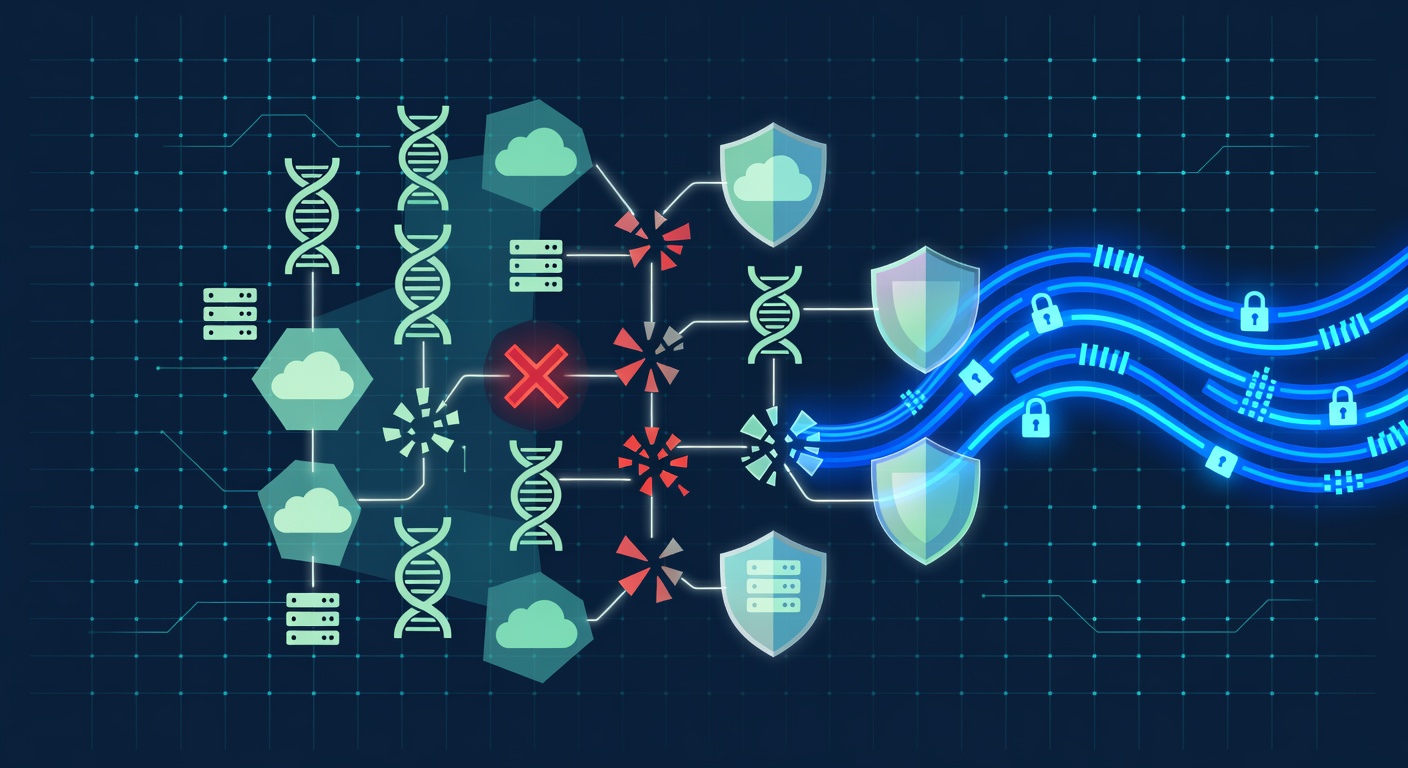
Miért bukik el ennyi biotech startup az IT-n? (És hogyan mentsd meg magad, mielőtt késő)
Képzeld el: fenntartható fehérjeoldatokat fejlesztesz biotech startupban. A szerverek biztonsági mentése az utolsó, amire gondolsz. De figyelj: ez olyan, mint a laborban figyelmen kívül hagyni a biztonsági előírásokat. Minden rendben látszik, amíg jön a katasztrófa.
A "megfelelő" IT-támogatás rejtett csapdái
Láttam ezt ezerszer. Startup indul, minimális csapattal. Bérelnek egy általános IT-szolgáltatót, és azt hiszik, kész. A cég listát pipál, jegyeket kezel, javít, ha kell. Jól hangzik, ugye?
Tévedés.
Általános IT-sek nem értik a biotech világát. Marketingcégekhez vagy könyvelőkhöz szoktak. Biotech más tészta. Például:
- Vegyes rendszerek: Kutatód Mac-et használnak az egyetemről, a üzleti oldal Windows-t akar. Az IT-nek mindkettőben otthon kell lennie, nem csak tűrnie.
- Szabályozási pokol: Kutatási adatoknál nem mindegy a legolcsóbb felhő. HIPAA, adatbiztonság, nyomonkövetés – ezek kötelezők.
- Egyedi igények: Kész szerverek nem elégítenek ki mindent. Biztonságos tárolás kell a pótolhatatlan kutatásokhoz – ez a versenyképességed alapja.
- Leállás tilos: Ha a laborrendszerek kidőlnek, nem csak időt veszítesz. Adatok tűnnek el, kísérletek semmisülnek meg.
Igazi IT-partner: üzleti szemmel
A jó IT nem csak hardvert javít. Megérti a céljaidat.
Kérdeznek ilyet:
- Hogy skálázódik az infrastruktúra 18 hónapon belül a növekedéssel?
- Mi történik a kutatással, ha adatvesztés jön?
- Mennyit akarsz IT-t bent kezelni, mennyit kiadni?
- Hol vannak biztonsági lyukak, mennyibe kerül a javítás?
Ezek üzleti kérdések. Negyedévente átbeszélik a pénzügyi és működési tervekkel.
Amit tényleg érdemes keresni (buzzwordök nélkül)
IT-partnert nézel? Ezekre figyelj:
24/7 támogatás, rejtett költségek nélkül
Laborod nem 9-17-ig dolgozik. Ha szombat hajnalban leállás van, ne fizess felárat "sürgősségért". Ez átverés. Igazinak alapból tartalmaznia kell.
Mac és Windows mesterien
Nem "támogatjuk mindkettőt". Akik használják is, ismerik a furcsaságokat. Mac-es kutatók ne érezzék magukat másodrendűnek.
Saját szerverépítmények
Kész cucc nem elég. Kutatási adataidhoz biotech-specifikus biztonságot kell tervezni. Tudják, mit kérnek a hatóságok, hol a gyenge pont.
Vezetői riportok
Pénzügyesed nem patch-ekre kíváncsi. Költség-előrejelzés, hatékonyság, növekedés-egyezés kell. Használható papírokat adjanak.
Személyes kapcsolattartó
Nem forgó support. Egy ember, aki ismeri a kultúrátokat, a csapatot, és kiáll értetek. Ő a vezetésetek kiterjesztése.
A nagy dobás: virtuális IT-vezér (vCIO)
Sokan nem is tudják: vCIO negyedéves stratégia-átbeszélés. Tapasztalt IT-vezető kérdezi: támogatja-e az IT a üzleti tervedet?
Biotech-ben kincs. Segít eldönteni:
- Most kell biztonsági eszközök, vagy várjunk?
- Bírom-e 50, 100 embert a setup?
- Hol dobunk ki pénzt feleslegesen?
- Mi a minimális IT a megfelelőséghez?
Nem menő, de sima növekedés vs. káosz közepén átalakítás.
A lényeg
IT nem külön az üzlettől. Az üzleted része. Biotech-ben adatbiztonság, szabályok, megbízhatóság közvetlenül az innovációt érinti.
A nyertes startupok nem a legdrágább cuccokkal vagy befektetéssel győznek. Alapokat raknak le korán – IT-t is –, aztán a tudományra koncentrálnak.
Keress biotech-éretlen IT-partnert. Aki technikai és üzleti oldalt is támogat. Skáláz veled. A sikeredet a magáénak érzi.
Minden más csak a bajra vár.
Címkék: ['managed it services', 'biotech startups', 'it infrastructure', 'startup operations', 'technology strategy', 'it support', 'vcio services', 'network security', 'business continuity']