Microsoft, Apple ja Google eivät heitä tyhjiä lupauksia hiilineutraaliudesta – ne pumppaavat miljardeja siihen, että se todella toteutuu. Tässä mitä nämä tech-jätit tekevät, miksi se vaikuttaa tietosuojaasi ja tietoturvaasi sekä mitä se lupaa koko alan tulevaisuudelle.
Isojätit laittavat rahansa peliin ilmastossa – puheet muuttuvat teoiksi
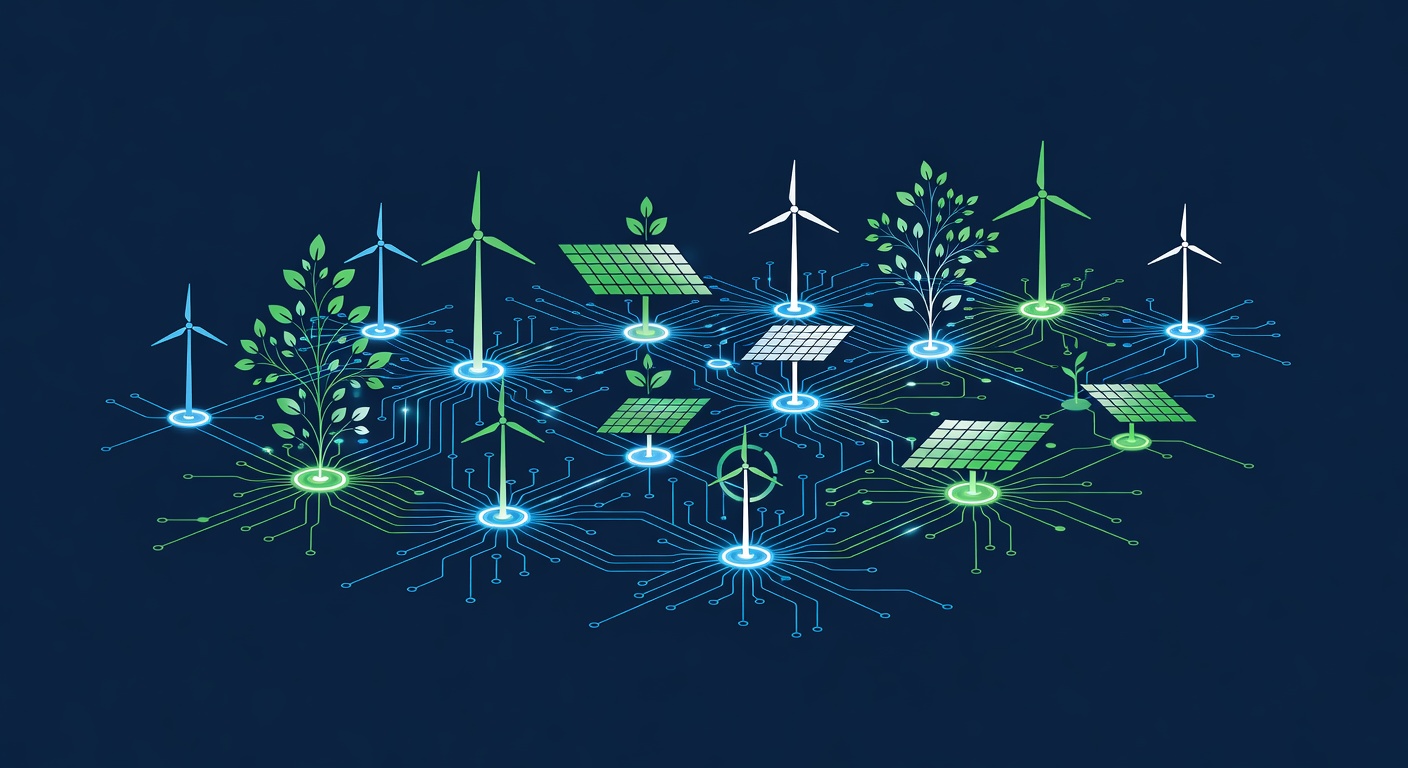
Miksi isot teknologiajätit panostavat tosissaan ilmastonmuutokseen
Olen epäileväinen firmojen vihreitä lupauksia kohtaan. Usein ne ovat pelkkää show'ta: lehdistötiedote, joka unohtuu parissa päivässä. Mutta kun kaivoin Microsoftin, Applen ja Googlen suunnitelmia, mieleni muuttui. Nämä yhtiöt eivät vain puhu nollapäästöistä. Ne lykkäävät niihin kunnon rahaa.
Ja se on iso juttu.
Netin pyörittäminen maksaa maapallolle
Harva miettii, että jokainen sähköposti, pilvitallennus tai IP-osoitteen tarkistus kuluttaa energiaa. Valtavasti energiaa. Palvelimet ahmivat sähköä, ja koko netin infrastruktuuri on yksi pahimmista päästölähteistä maailmalla.
Kun Microsoft tai Apple lupaa nollapäästöisyyttä, se ei ole itsekehu. Se on myönnys: heidän bisneksensä – jatkuva laskenta, tallennus ja prosessointi – saastuttaa. Ja nyt ne maksavat korjaamisesta oikealla rahalla.
Microsoftin miljardin dollarin ilmastopeli
Microsoft haluaa olla hiilinegatiivinen vuoteen 2030 mennessä. Eli se poistaa ilmakehästä enemmän hiiltä kuin tuottaa. Se on 20 vuotta IPCC:n suositusta edellä.
Miten se onnistuu?
Sisäinen saastumismaksu. Vuodesta 2012 lähtien yksiköt maksavat päästöistään. Rahat menevät suoraan päästövähennyksiin. Älykästä: se pakottaa tiimit keksimään puhtaampia tapoja.
Toimittajat mukaan. Tänä vuonna Microsoft vaatii kumppaneiltaan päästövähennysohjelmaa. Jos haluat bisnestä, sinun täytyy pelata mukana. Vaikutus leviää koko alalle.
Rahaa uuteen tekniikkaan. Miljardin dollarin innovaatiorahasto ei ole pr-luku. Se menee hiilen talteenottoon, uusiutuvaan energiaan ja romuideoihin, jotka syntyvät nyt.
Applen nollapäästöinen 2030 – ei pelkkää puhetta
Apple on jo nyt nollapäästöinen omilla mittareillaan. Mutta tavoitteena on, että jokainen tuote on ilmastoneutraali vuoteen 2030 mennessä. Päästöt alas 75 prosenttia, loput talteen.
Apple on tarkka mitä tekee:
- Laitteiden uudelleensuunnittelu. Vähemmän energiaa tehtaissa ja käytössä. Uudet materiaalit, prosessit ja kasauslinjat.
- Kierrätysverkosto. Vanhat vehkeet takaisin, materiaalit hyötykäyttöön – ei kaatopaikoille.
- Toimitusketjun muutos. Kuten Microsoft, Apple painostaa koko verkostoa vihreämpään.
Tässä on kunnianhimoa. Ne eivät odota lakipakkoa. Ilmastonmuutos iskee suoraan niiden bisnekseen: häiriöt ketjussa, kustannukset ja brändivahingot.
Google on ollut edellä jo vuosia
Google on ollut nollapäästöinen vuodesta 2007. Pidempään kuin kilpailijat. Se on ostanut uusiutuvaa energiaa ja kompensoinut hiljaa.
Ei isoja lupauksia hiilinegatiivisuudesta – vielä. Oma veikkaukseni: ne ovat niin edellä, etteivät tarvitse show'ta. Mutta isommat tavoitteet kypsyvät, odotan uutisia pian.
Yhteys tietoturvaan ja yksityisyyteen
Mietit ehkä: miksi tämä liittyy IP-osoitteisiini, DNS:ään tai VPN:iin? Hyvä kysymys.
Infrastruktuuri on avain. Uusiutuvaan energiaan ja tehokkaisiin palvelimiin investoidaan tulevan netin runkoa. Paremmat keskukset tarkoittavat usein myös tiukempaa turvaa.
Seuranta tuo läpinäkyvyyttä. Päästöjen mittaus vaatii datajärjestelmiä. Sama logiikka vahvistaa tietoturvaa.
Pitkäjänteisyys. Yhtiö, joka uhraa miljardeja ilmastolle, ajattelee vuosikymmeniä eteenpäin. Se suojaa dataasi ja luottamusta.
Epäilijän näkökulma
En väitä, että syy on puhdas ympäristörakkaus. Microsoft, Apple ja Google suojelevat mainettaan ja bisnestään. Nollapäästöt ovat jo pakollisia isoille.
Mutta teot ratkaisevat, ei motiivit. Nämä lupaukset muokkaavat alaa. Pienet firmat sopeutuvat, puhdas teknologia saa rahoitusta, standardit nousevat.
Mitä meiltä vaaditaan
Yksin emme pelasta ilmastoa. Voimme kierrättää, käyttää VPN:ää ja tehokkaita laitteita, mutta muutos syntyy isoista toimijoista.
Seuraa raportteja. Tarkista edistyminen. Huuda, jos lupaukset pettävät. Valvonta puree.
Ja jos käytät heidän palveluitaan – kuten me kaikki – voit tuntea olosi hitosti paremmaksi. Sähköpostisi ja pilviesi takana on firmoja, jotka ottavat ilmaston tosissaan.
Tagit: ['carbon neutrality', 'corporate sustainability', 'tech industry', 'climate change', 'environmental responsibility', 'data center efficiency', 'microsoft', 'apple', 'google', 'green technology']