Tus empleados seguro usan apps y herramientas que tu equipo de TI ni siquiera conoce. Parece inofensivo, pero el shadow IT está abriendo agujeros de seguridad enormes, líos de cumplimiento normativo y cuellos de botella en la productividad. Esto es lo que debes saber de esta amenaza en auge... y cómo pararla.
El Problema Tecnológico Oculto que Está Matando la Seguridad de Tu Empresa (y Cómo Solucionarlo)
El Problema Invisible de Tecnología que Está Destrozando la Seguridad de Tu Empresa (Y Cómo Solucionarlo)
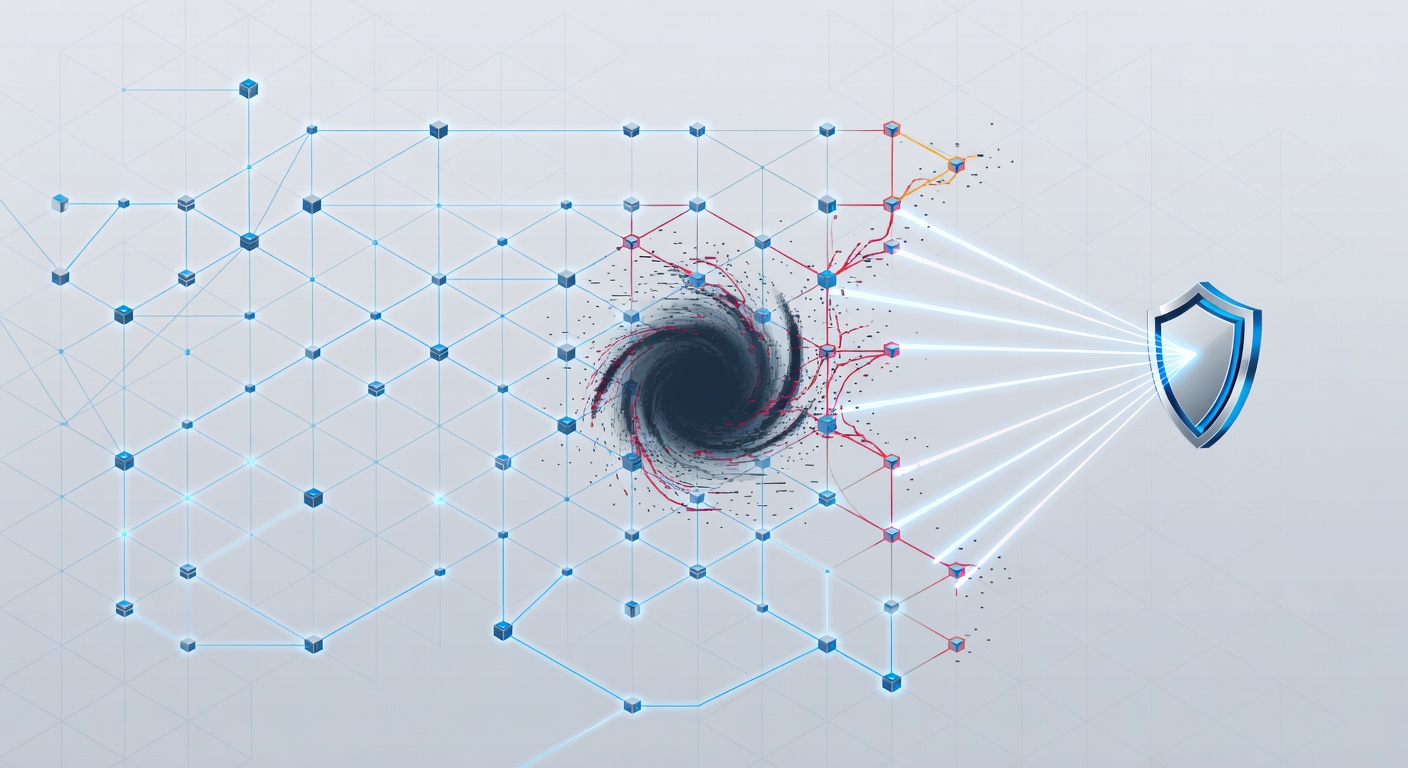
Imagina que un empleado gasta miles en una app sin permiso, exponiendo datos clave. Eso es shadow IT: herramientas ocultas que usan sin control, poniendo en riesgo tu red y la info de clientes.
Te cuento qué pasa de verdad en tu equipo.
¿Qué Rayos es el Shadow IT? (Y Por Qué Debes Preocuparte Ya)
Shadow IT son esas apps, programas y dispositivos que la gente usa a escondidas, sin que IT lo sepa ni lo apruebe. Se llama "sombra" porque vive en la oscuridad, lejos de la vigilancia oficial.
No es rebeldía pura. La mayoría solo busca agilizar su día. Un vendedor descubre una app genial para CRM, la comparte, y de repente medio departamento la usa para datos sensibles.
El drama: IT ni se entera.
El teletrabajo lo ha disparado. Desde casa, nadie vigila. Instalan lo que quieren, creyendo que son más listos que las herramientas corporativas. Error garrafal.
Por Qué el Trabajo Remoto Hace Estallar el Shadow IT
El remoto no lo inventó, lo multiplicó. Razones clave:
Herramientas que faltan. Si el software oficial no cubre, buscan alternativas. Ventas necesita algo más potente que el CRM estándar: lo bajan solos.
Hábitos personales. Un editor fiel a Adobe no cambia por mandato. Corre lo suyo al lado, sin permiso.
Dispositivos propios (BYOD). Laptops y móviles personales: cero visibilidad para IT.
Políticas flojas. Sin reglas claras ni enforcement, se propaga como virus.
Los Riesgos Reales (Peores de lo que Imaginas)
Directo al grano: shadow IT es una bomba para seguridad y cumplimiento.
Brechas de Datos Inesperadas
Apps no revisadas. ¿Encriptan bien? ¿Qué pasa si las hackean? Esa nube "gratis" podría filtrar todo. Un clic tonto, y datos de clientes al aire.
Pasa todos los días. Brechas silenciosas por herramientas fantasmas.
IT a Ciegas
Se cae algo: IT no sabe arreglarlo porque no lo conoce. Actualizaciones rompen todo. Red lenta por syncs masivos no autorizados. Horas perdidas en diagnósticos absurdos.
Departamentos parados, productividad en cero.
Caos en la Colaboración
Ventas en Slack, marketing en Teams, finanzas en email. ¿Dónde guardan el archivo final? Versiones duplicadas, líos eternos. Adiós eficiencia.
Multas por Incumplimiento (Y el Dolor que Traen)
En sectores regulados (salud, bancos, pagos): HIPAA, GDPR, PCI. Exigen control total de herramientas. Shadow IT lo viola todo.
Auditorías revelan el desastre: multas millonarias, pérdida de licencias, juicios. Reputación por los suelos.
¿Cómo lo Arreglas de Verdad?
No basta con prohibir. La gente se esconde mejor. Ataca las causas.
1. Descubre qué usan. Audit real. Pregunta a equipos, revisa logs de red. Sorpresas garantizadas.
2. No rechaces todo. Algunas son oro. Evalúa, securiza y oficializa las buenas. Empleados a veces aciertan más que IT.
3. Mejora lo oficial. Si falta features, invierte. Cubre necesidades reales.
4. Reglas claras y rápidas. Explica porqués. Proceso simple para aprobar apps nuevas, sin papeleo eterno.
5. Transparencia total. IT y empleados aliados, no enemigos. Nadie quiere esconderse si hay opciones buenas.
Conclusión
Shadow IT no desaparece. Pero no tiene que ser fatal. Las empresas listas lo detectan, aprenden, securizan y absorben lo útil.
Tus empleados buscan eficiencia, no sabotaje. Dales herramientas seguras y aprobadas. Cierra la brecha entre lo que ofreces y lo que necesitan.
Así, el shadow IT se desvanece. Seguridad primero.
Etiquetas: ['shadow it', 'cybersecurity', 'remote work security', 'it compliance', 'data protection', 'network security', 'enterprise security']