Οι μικρές επιχειρήσεις νομίζουν ότι είναι πολύ μικρές για να τις χάκαραν. Λάθος μεγάλο. Οι ερευνητές ασφαλείας βρίσκουν συνέχεια τα ίδια εύκολα προβλήματα στα δίκτυά τους – και το χειρότερο; Εκμεταλλεύεσαι τα περισσότερα με τα κλειστά μάτια. Ας δούμε τι πάει στραβά και πώς το διορθώνεις από σήμερα.
Γιατί οι μικρές επιχειρήσεις είναι εύκολος στόχος (και πώς να σωθούν)
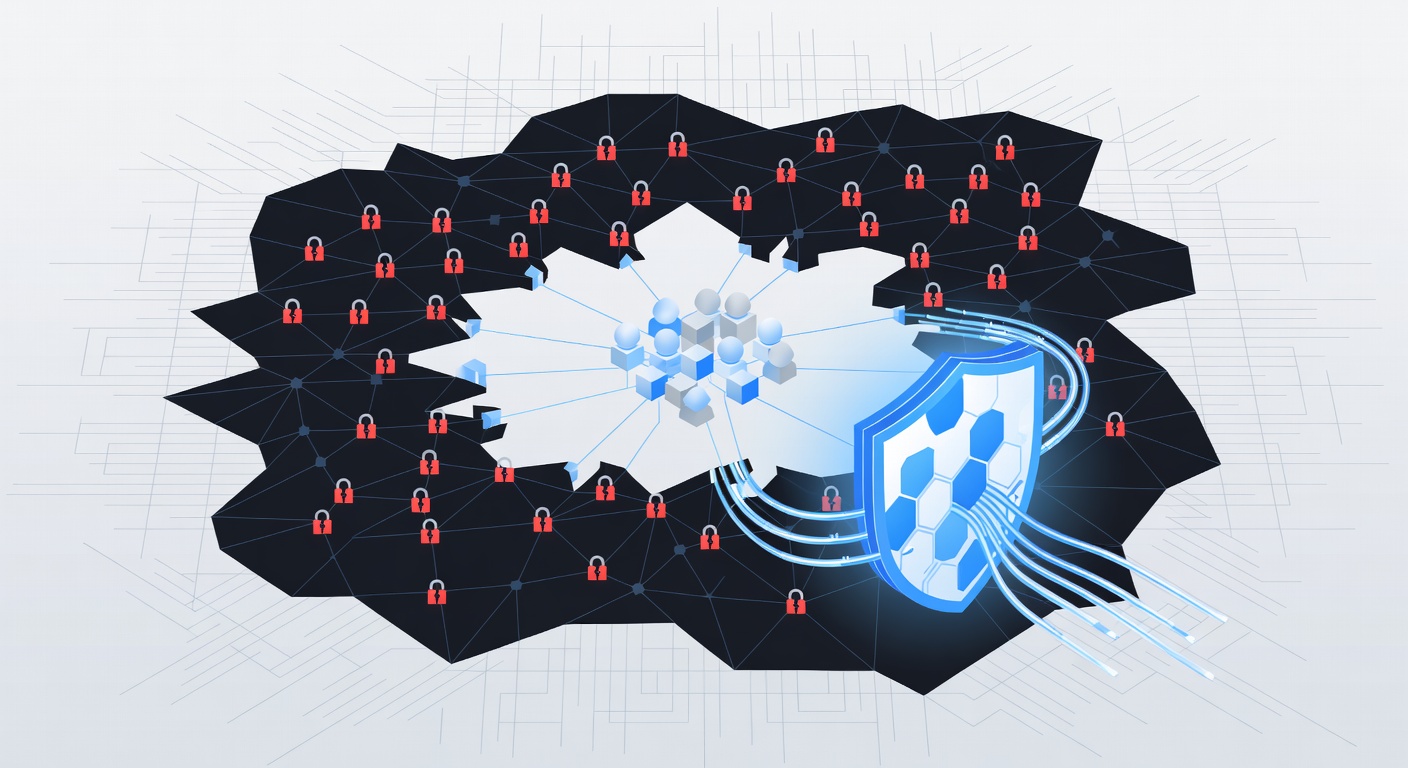
Γιατί οι Μικρές Επιχειρήσεις Είναι Εύκολη Λεία (Και Πώς να το Αντιμετωπίσεις)
Οι ειδικοί σε κυβερνοασφάλεια χάνουν τον ύπνο τους με τις μικρές επιχειρήσεις. Δεν φαντάζονται πόσο εκτεθειμένες είναι. Και όχι λόγω υπερσύγχρονων gadgets. Αντίθετα, λόγω βασικών λαθών που αγνοούν.
Η Σκληρή Αλήθεια που Κανείς Δεν Θέλει να Ακούσει
Οι ελέγχοι δικτύων αποκαλύπτουν πάντα τα ίδια προβλήματα. Είναι λυπηρό. Δεν μιλάμε για εξεζητημένες επιθέσεις. Είναι σαν να αφήνεις ανοιχτή την εξώπορτα και να φωνάζεις "κανείς δεν είναι σπίτι".
Δεν φταίει η πολυπλοκότητα. Φταίει η αμέλεια.
Πού Χάνεται το Παιχνίδι
Παλιό λογισμικό παντού
Το πιο εύκολο λάθος: ενημερώσεις που αγνοείς. Αυτό το pop-up που λες "να μου θυμίσεις μετά"; Είναι πατσ. Κάθε αναβολή αφήνει ανοιχτή πόρτα στους χάκερ.
Οι μικρές επιχειρήσεις φοβούνται διακοπές ή βλάβες. Καταλαβαίνω. Αλλά είναι σαν να αγνοείς ρωγμή στο παρμπρίζ. Χειροτερεύει γρήγορα.
Ρυθμίσεις διάπλατα ανοιχτές
Εντροπία θέαμα. Προεπιλεγμένες ρυθμίσεις. Όλοι admin για ευκολία. Δίνεις κλειδιά σε όλους και ελπίζεις να μην πέσουν σε φάρσα.
Δεδομένα ά unprotected
Η κρυπτογράφηση δεν είναι μόνο για τράπεζες. Πληροφορίες πελατών, λογαριασμοί, αρχεία υπαλλήλων θέλουν κλείδωμα. Στα servers και εν κινήσει. Δεν είναι τόσο δύσκολο πια. Το κόστος της παράλειψης είναι τεράστιο.
Κανείς δεν ελέγχει τίποτα
Πολλές επιχειρήσεις δεν έχουν κάνει ποτέ έλεγχο ασφαλείας. Δεν ξέρουν τα προβλήματά τους. Σαν να πηγαίνεις ποτέ γιατρό και να εκπλήσσεσαι.
Οι ετήσιοι έλεγχοι είναι απλοί και φθηνοί. Βλέπεις τα κενά σου.
Ο Άνθρωπος, η Μεγαλύτερη Αδυναμία
Η αλήθεια πονά: το μεγαλύτερο ρίσκο είναι οι υπάλληλοι σου.
Δεν το κάνουν επίτηδες. Αλλά phishing, απάτες, κακόβουλα αρχεία τους κυνηγάνε. Χωρίς εκπαίδευση, πέφτουν εύκολα.
Δεν χρειάζονται experts. Βασικά: αναγνώρισε phishing. Μην δίνεις κωδικούς στο τηλέφωνο. Αν κάτι μυρίζει, báo it.
Όταν Χτυπήσει η Καταστροφή (Και Θα Χτυπήσει)
Τίποτα δεν είναι 100% ασφαλές. Η διαφορά είναι το σχέδιο αντίδρασης.
Ξέρεις τι κάνεις αν πέσει ransomware αύριο; Οι υπάλληλοι se; Οι περισσότερες επιχειρήσεις improvisarουν στην κρίση.
Το σχέδιο είναι απλό: Ποιος κάνει τι, πότε, πώς. Περιέχει, ειδοποιεί, επαναφέρει.
Τι Λειτουργεί Πραγματικά
Μην το βλέπεις σαν υποχρέωση. Βλέπ' το σαν service.
Αυτοματοποίησε ενημερώσεις. Δοκίμασε πρώτα, μετά roll out.
Κλείσε πρόσβαση. Μόνο ό,τι χρειάζονται. Αξίζει τον κόπο.
Κρυπτογράφησε τα ευαίσθητα. Πληροφορίες, χρήματα, δεδομένα. Εργαλεία υπάρχουν, φθηνά.
Κάνε ελέγχους. Ετήσιος τουλάχιστον. Καλύτερα εξωτερικός.
Εκπαίδευσε κόσμο. 1-2 sessions ετησίως. Υπενθυμίσεις. Πρωτόκολλα.
Φτιάξε σχέδιο κρίσης. Για να μην πανικοβληθείς.
Το Ζουμί
Τα προβλήματα κυβερνοασφαλείας δεν κρύβονται. Δεν είναι δύσκολα. Είναι παραμελημένα.
Όλοι τρέχουν την επιχείρηση. Η ασφάλεια μένει για "αργότερα".
Οι χάκερ περιμένουν αυτό το αργότερα.
Καλό νέο: Δεν θες budget ή ομάδα. Θες βασικά και συνέπεια. Ενημέρωσε. Κλείδωσε. Προστάτεψε. Εκπαίδευσε. Σχεδίασε.
Και είσαι μπροστά από τους περισσότερους.
Ετικέτες: ['cybersecurity', 'small business security', 'vulnerabilities', 'data protection', 'employee training', 'incident response', 'encryption', 'software updates']