Viele Firmen pumpen Tausende in Sicherheitssoftware – und übersehen das Wichtigste, worauf Hacker abzielen: die menschliche Schwäche. Phishing-Simulationen machen aus deinem Team nicht länger eine Schwachstelle, sondern die beste Verteidigungslinie. Deshalb schlägt Praxis die Theorie immer.
Warum Mitarbeiter die beste Waffe gegen Phishing sind – und wie du sie richtig schulst
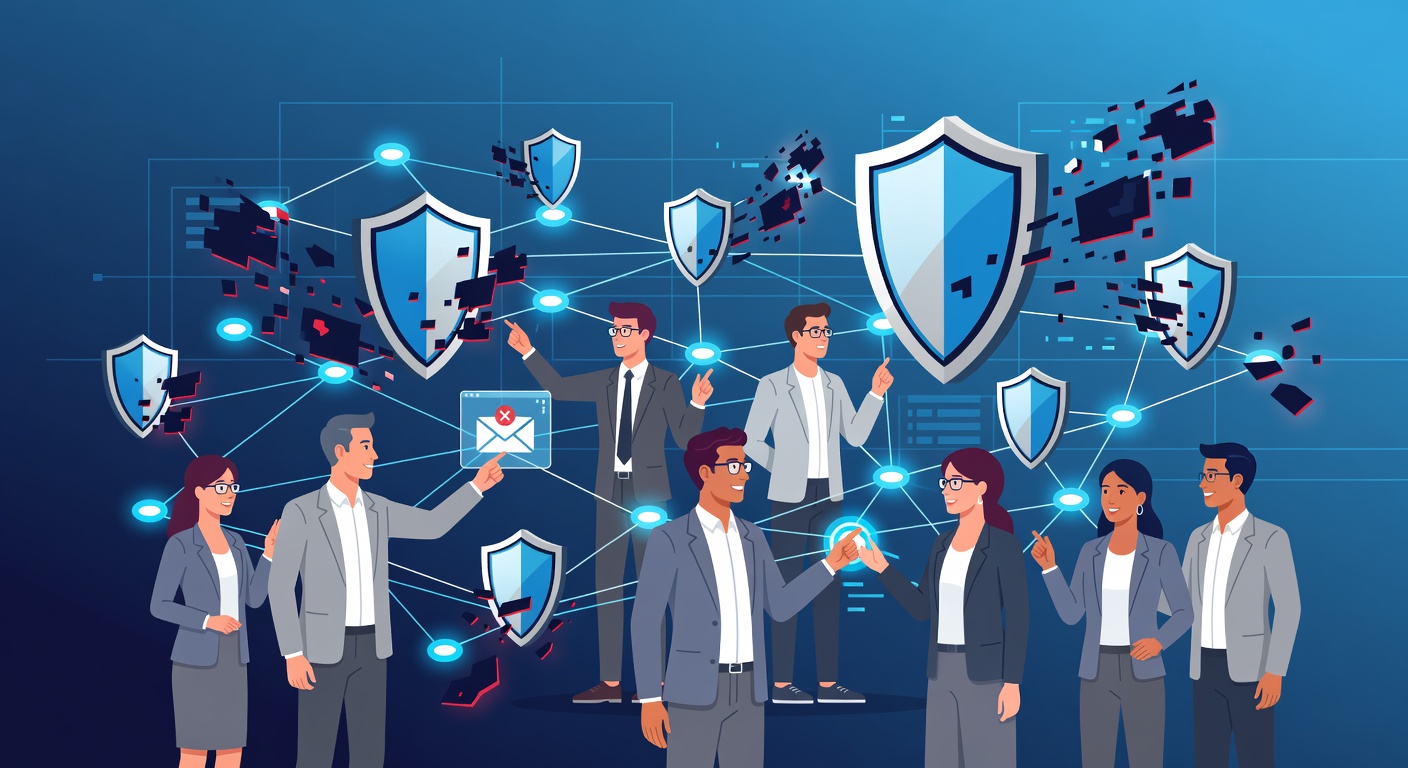
Warum eure Mitarbeiter die stärkste Waffe gegen Phishing sind – und wie man sie richtig schult
Eure Firewalls sind top. Aber sie stoppen die meisten Phishing-Angriffe nicht. Ein Angreifer braucht nur einen Klick von einem Mitarbeiter. Einen einzigen. Fertig.
Firmen, die auf Phishing-Tests verzichten, inszenieren nur Show. Sie schützen sich nicht wirklich. Und das sehe ich ständig.
Das Problem mit alten Schulungen
Erinnert ihr euch an eure letzte Pflicht-Schulung? PowerPoint-Folien, Regeln, die man schnell vergisst. Zwei Monate später landet eine echte Phishing-Mail – und alles ist weg.
Nicht weil Mitarbeiter nachlässig sind. Menschen lernen durch Übung, nicht durch Vorträge.
Theorie über Phishing-Mails zu hören ist was anderes als eine echte unter 150 anderen zu entdecken. Montagmorgen, Stress pur. Das Gehirn erkennt Muster erst durch Praxis.
Phishing-Simulationen drehen das um.
Warum Simulationen wirken
Stellt euch vor: Ihr schickt harmlose Fake-Mails an das Team. Jemand klickt drauf – zack, Feedback kommt sofort. Genau im Moment, wenn das Hirn am besten lernt.
Das nennt man „Lehr-Moment“. Gold wert.
Nach mehreren Runden schärfen sich die Instinkte. Verdächtige Absender springen ins Auge. Links zum Firmendomäne passen nicht? Zweifel. Login-Seiten unerwartet? Stopp. Das sind keine auswendig gelernten Regeln – das ist echtes Musterwissen.
Sicherheitschefs berichten: Nach 6-12 Monaten sinkt die Klickrate auf Fake-Mails massiv. Und das schützt vor echten Angriffen.
Die Psychologie dahinter
Gute Simulationen fühlen sich unterstützend an, nicht strafend. Klickt jemand falsch? Kein Spott. Stattdessen: Sofort-Training. „Tricky, oder? So erkennst du's nächstes Mal.“
Das zählt. Wenn Schulungen wie Fallen wirken, melden Mitarbeiter echte Mails nicht mehr. Sie verstecken sie. Genau das Gegenteil von gut.
Top-Programme bauen Teamgeist auf. Mitarbeiter und IT-Sicherheit ziehen am selben Strang.
So baut man ein starkes Simulations-Programm
Macht's richtig. Das braucht:
Echte Vorlagen. Kein alter „Nigerian-Prinz“-Quatsch. Stattdessen: Branchentypisch. Dringende Passwort-Änderungen, falsche Rechnungen, gefakte Chef-Mails.
Regelmäßige Runden. Einmal im Jahr reicht nicht. Kampagnen das ganze Jahr halten den Puls hoch.
Klare Daten. Welche Abteilung hinkt? Wer braucht Extra-Hilfe? Wie entwickelt sich die Schwachstelle? Ohne Zahlen keine Entscheidungen.
Hilfreiche Folgen. Nach Fehlklick: Passendes Training. Fake-Rechnung? Zeig, wie man Lieferanten prüft. Chef-Mail? Erkläre echte Notfall-Regeln.
Der Feuerwehr-Alarm vergleicht's perfekt
Phishing-Tests sind wie Übungsalarme für die Mailbox. Im Haus übt man Evakuierung, damit's im Ernstfall klappt. Niemand motzt, wenn einer den Weg noch nicht kennt.
Eure Leute brauchen das auch. Sichere Übung gegen Phishing – dann sitzen die Reflexe bei realen Angriffen.
Fazit
Vergesst reine Theorie. Mitarbeiter sind keine Idioten – sie brauchen trainierte Mustererkennung. Richtige Simulationen machen aus der größten Schwachstelle eine Verteidigungslinie.
Es dauert. Es braucht Disziplin. Aber es funktioniert – anders als bei vielen Security-Ideen.
Tags: ['phishing', 'employee training', 'security awareness', 'cyber defense', 'email security', 'phishing simulations', 'security culture', 'human risk']