Verwirrt, ob NetCore-Services im NetVisor-Paket enthalten sind? Du bist nicht allein. Viele Firmen halten beides für dasselbe – dabei sind es getrennte Produkte mit völlig unterschiedlichen Aufgaben. Das musst du wissen.
NetCore oder NetVisor: Der entscheidende Unterschied – und was er für dein Business bedeutet
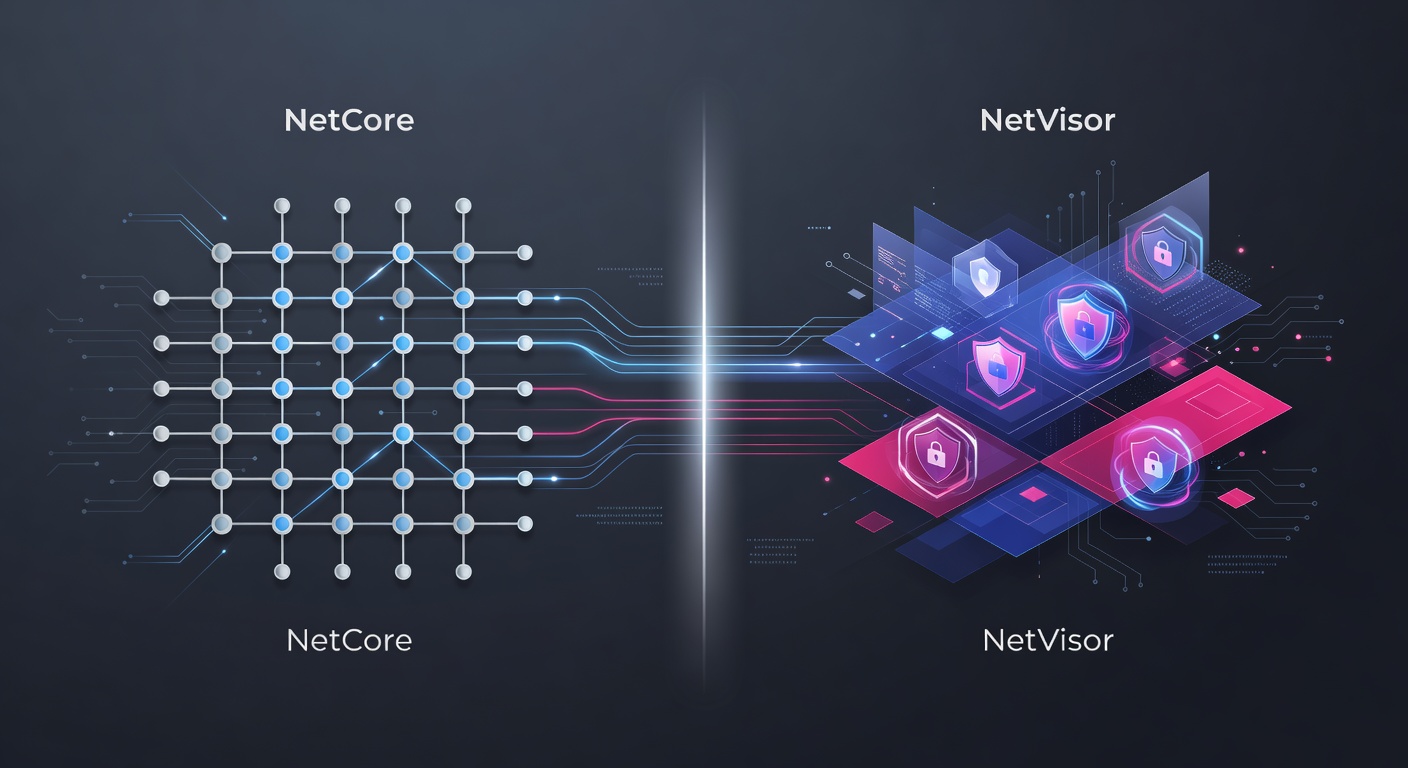
NetCore und NetVisor: Zwei getrennte Welten im Netzwerkmanagement
Technikfirmen haben ein Talent dafür, uns mit verwirrenden Produktnamen zu quälen. "NetCore" und "NetVisor" klingen ähnlich – da denkt man schnell, es handelt sich um ein Paket. Falsch! Die beiden sind eigenständige Dienste für unterschiedliche Aufgaben in eurer IT-Infrastruktur. Ich erkläre das mal klar und knackig. Die Unterscheidung ist entscheidend.
Was NetCore wirklich leistet
NetCore übernimmt die Pflege eurer Hardware. Es ist wie ein zuverlässiger Mechaniker für eure Netzwerkgeräte. Dazu gehören:
- Firewalls als Schutzwall gegen Angriffe
- Switches für den Datenverkehr im Unternehmen
- WLAN-Access-Points für mobiles Arbeiten
- USV-Anlagen gegen Stromausfälle
Diese Geräte brauchen ständige Updates, Patches und Überwachung. Ohne das werden sie zur Schwachstelle.
Und NetVisor? Ganz anderes Kaliber
NetVisor ist ein eigenes Tool für spezielle Netzwerkaufgaben. Es ergänzt NetCore nicht automatisch – es läuft parallel mit eigenen Stärken. Wichtig: Wer eines hat, besitzt nicht zwangsläufig das andere.
Warum das für euer Unternehmen zählt
Viele Firmen glauben, ein Tool deckt alles ab. Das ist ein Trugschluss – wie wenn ihr denkt, die Autowäsche umfasst auch den TÜV. Nur NetVisor? Eure Hardware könnte vernachlässigt werden. Nur NetCore? Ihr verpasst NetVisor-Vorteile.
Das größte Risiko: Pflegeverwahrlosung. Firewalls und Switches ohne Updates laden Hacker ein. Ich kenne Fälle, wo einfache Lücken reichten, weil niemand klar zuständig war.
So geht ihr vor
Unsicher, was ihr habt? Sprecht mit eurem Customer Success Manager. Das ist kein Bürokraten-Tipp, sondern der smarte Weg.
Euer CSM klärt:
- Welche Hardware-Support ihr nutzt
- Was überwacht und gepflegt wird
- Wo Lücken lauern
- Ob NetCore oder NetVisor Sinn macht
Nichts annehmen. Eure Netzwerke sind zu wichtig.
Fazit
NetCore und NetVisor sind separate Produkte mit klaren Rollen. Keines enthält das andere. Prüft, was ihr braucht, und schließt Lücken. Ein kurzes Gespräch beim Anbieter spart euch später Kopfschmerzen – statt unpatched Firewalls nach einem Jahr. Lohnt sich!
Tags: ['network management', 'infrastructure support', 'netcore', 'netvisor', 'it security', 'network infrastructure', 'business continuity']