Имаш ли парола от 16 символа – с цифри и специални знаци? Тогава защо всеки ден хакват хора? Истината е, че днешните киберзаплахи са далеч отвъд простите атаки с опитване на всичко. Твоята парола се бори с войната от вчера.
Силната ти парола не е суперсила (и това е проблема)
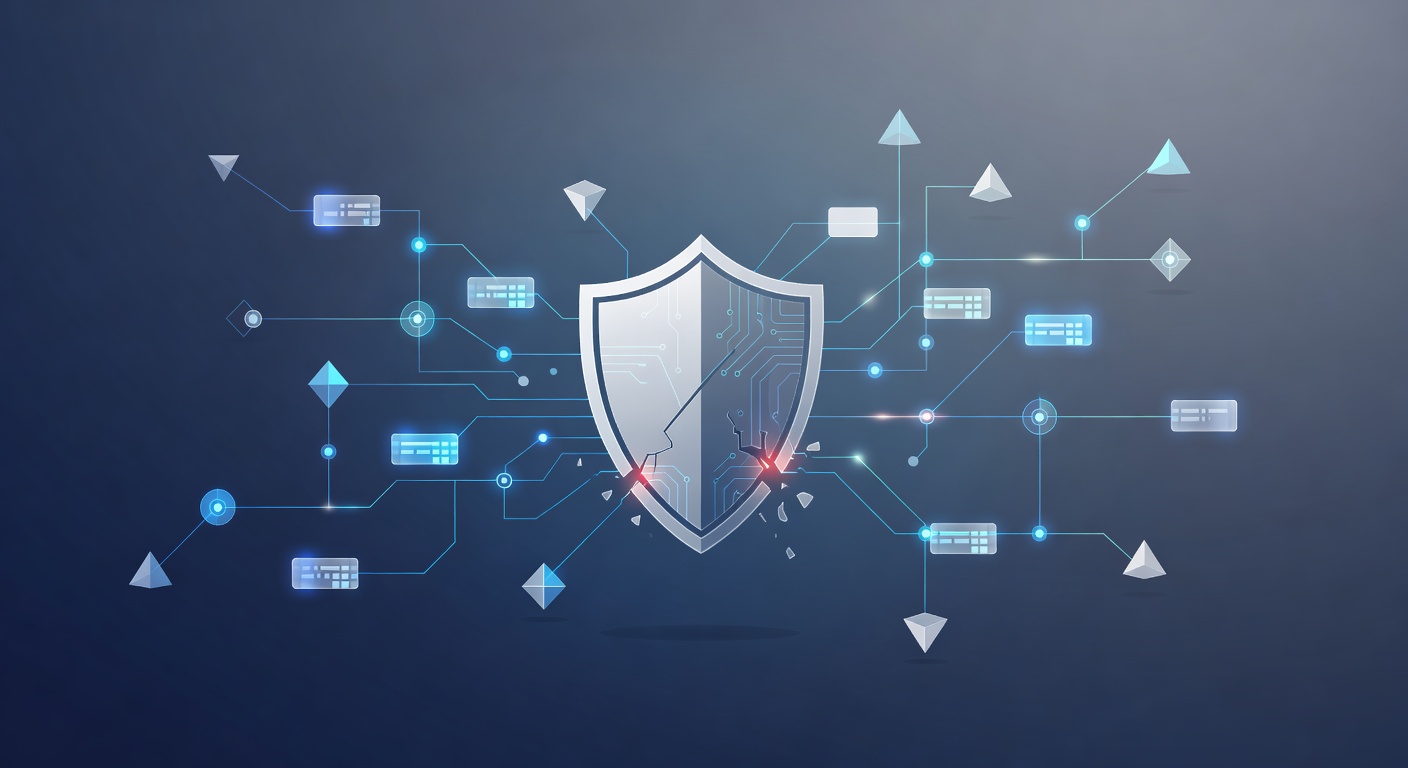
Силната ти парола не е свръхсила (и това е големият проблем)
Бях сигурен, че перфектната ми парола ме прави недосегаем. Големи букви, цифри, специални символи – готово. После научих нещо, което ме разтърси: 82% от пробивите в сигурността стават без никакво злонамерено софтуер. Хакерите просто влизат през главната врата.
Защото днес злите играчи не чупят пароли. Те крадат твоята.
Проблемът с Троянския кон: не влизат с взлом, а с логин
Ето какво ме държи буден нощем: най-добрият заключвач е безполезен, ако някой има ключ от твоя.
Хакерите не тропат по фаеруолите. Използват хитрини и откраднати данни, за да се престорят на свои. Изглеждат нормални. Действат нормално. Когато ги хванат, вече са претърсвали месеци.
Затова трябва да сменим приказката за паролите. Не стигат само силни. Те са само парченце от голямата картина.
Фишингът стана умен с изкуствен интелект
Създаваха ли преди фишинг имейли с грешки и странни адреси? Сега не.
Виждал съм съобщения, които говорят за твоите проекти, споменават шефа ти по име и звучат като истински. AI ги прави персонализирани. И не искат само парола – целят токени за сесии.
Страшното е: дори най-силната парола пада от един клик. Не им трябва да чупят нищо. Само ти да се объркаш за миг.
Решението? Учи се да спираш. Да търсиш несъответствия. Да проверяваш спешни искания през друг канал.
Дийпфейкове се преструват на шефа ти (вече)
Искаш нещо истински страшно? Гласовото клониране е толкова добро, че могат да имитират ръководителя ти и да те накарат да преведеш пари или да дадеш достъп.
Това не е фантастика. Става сега. Ако "CEO-то" ти поиска нещо спешно, инстинктът ти е да кажеш да.
Лечението е навик: спри, провери, използвай друг канал. Ако шефът ти пише чудно, обади му се директно на познат номер. Звучеше параноя преди. Сега е разумно.
Ежедневните ти навици са бомби със закъснител?
Копираш ли пароли по сайтове? Натискаш ли MFA без да четеш? Споделяш ли работа и офиси в LinkedIn?
Всичко изглежда безобидно. Но заедно? Като отворена врата с табела "влизайте".
Повтарянето на пароли руши всичко при един пробив. Сляпото MFA отваря врати на хакери. Социалните детайли им дават municia за фишинг.
Не си небрежен – си човек. Трябва да пренастроим тези рефлекси.
Когато се обърка, първите минути решават
Статистика, която ме преследва: 22 месеца средно за възстановяване от кражба на самоличност.
Почти две години стрес, спорни сметки, контрол. Но първите минути? Те скъсяват кошмара.
Ако знаеш кого да викнеш веднага, какво да запазиш, превръщаш катастрофата в досада.
Не става въпрос за съвършенство. За подготовка.
Не трябва да си безгрижен, за да пострадаш. Един непълен клик стига. Уморен си, разсеян.
Доброто? Знанието е най-добрата защита. Разбираш, че атаките са с хитрости, крадени данни и AI – не с сила. Ставаш скептичен правилно. Предпазлив, без параноя.
Паролата ти е важна. Но сега е само старт. Истинската защита са навиците: спирай преди клик, проверявай отделно, споделяй умно, знай какво да правиш при проблем.
През 2024 г. въпросът не е дали ще те нападнат. Дали си готов.
Тагове: ['cybersecurity', 'phishing', 'password security', 'identity theft', 'social engineering', 'deepfakes', 'network security', 'online privacy']