معظم شركات خدمات تقنية المعلومات بتعامل كل الشركات الصغيرة على نفس الحال، بس احتياجات الدكتور اللي يشتغل لوحده مختلفة تمامًا عن الشركة اللي بتنمو بسرعة. لو عندك عمل صغير جدًا، هتعرف ليه الحلول الجاهزة مش هتنفعك، وإيه اللي بيشتغل فعلاً.
لماذا يحتاج ستارت أب 10 أشخاص لدعم تقني مختلف عن شركة 50 موظف (وكيف يخطئ معظم المزودين)
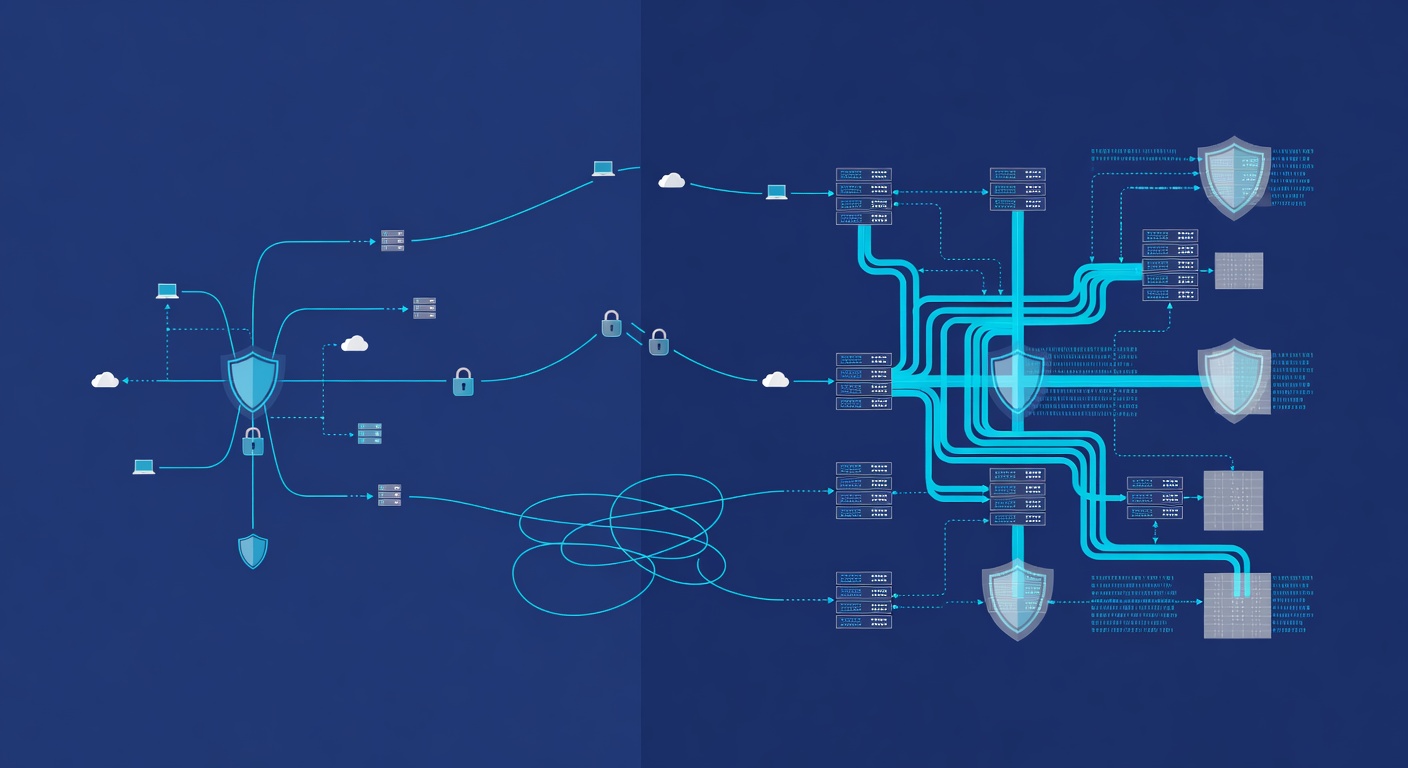
الفجوة في دعم تكنولوجيا المعلومات اللي محد يتكلم عنها
تعرف الشعور ده لما تبحث عن نصائح لـ"تكنولوجيا المعلومات للأعمال الصغيرة" وكل حاجة تبدو كأنها لشركة فيها 50 موظف؟ أيوه، دي المشكلة بالضبط.
في عالم التكنولوجيا، في فراغ غريب. الكل يتكلم عن الشركات الكبيرة، والكل يتكلم عن الأعمال الصغيرة، بس في فئة كاملة مهملة تمامًا: الشركات الصغيرة جدًا. لو عندك مكتب محاماة فيه 5 ناس، أو استوديو تصميم باثنين، أو مشروع استشاري لوحدك، معظم الشركات اللي تبيع حلول تكنولوجيا هتقولك يا إما خد حاجات للشركات العملاقة، يا استخدم أدوات للأفراد اللي هتسببلك صداع دائم.
ده مزعج، وهو ظلم للأعمال اللي محتاجة مساعدة أكتر.
ليه جمع الكل في سلة واحدة مشكلة؟
خلينا نركز على الأرقام شوية. شركة غارتنر، اللي الكل يسمع كلامها، تقول إن "الأعمال الصغيرة" دي أي حاجة أقل من 100 موظف أو 50 مليون دولار إيرادات سنويًا. ده نطاق واسع جدًا. ممكن تكون شركة ناشئة فيها 5 ناس وإيرادات 200 ألف دولار، أو شركة فيها 99 موظف وإيرادات قريبة من 50 مليون. دول عالمين مختلفين خالص، صح؟
الأغرب إن في شريحة كاملة غير مرئية لصناعة التكنولوجيا. دول "المكاتب الصغيرة" أو "الأعمال الدقيقة"، يعني أقل من 20 موظف. زي الشركات الفردية، الشراكات، العمل من البيت، والفرق الصغيرة جدًا.
و95% من مقدمي خدمات التكنولوجيا بيسيبوكي لو وقعت في الفئة دي.
ليه؟ لأن تاريخيًا، مش مربح يخدموا السوق ده. بناء حلول مخصصة لفريق 3 أشخاص مش هيجيب فلوس زي إدارة بنية تحتية لـ100 موظف. بس الحقيقة إن المكاتب الصغيرة محتاجة دعم تكنولوجيا زي الكبار، وربما أكتر، لأن عادة مايكونش عندهم موظف تكنولوجيا مخصص.
المكاتب الصغيرة مش زي الأعمال الصغيرة الأكبر
هقسم الفرق بينهم، عشان ده مهم.
المكاتب الصغيرة عادة في بداية طريقها الرقمي. بيستخدموا خليط من أدوات لقوها على جوجل، نسخ مجانية من برامج أعمال، وأدوات للأفراد عشان رخيصة وسهلة. زي جيميل بدل إيميل أعمال حقيقي، جوجل دوكس بدل نظام إدارة مستندات، وحلول مؤقتة مش مضمونة.
المشكلة؟ ده بيخلق مشاكل دائمة. الأنظمة بتقع، البيانات بتضيع، الأمان معدوم، والفريق بيحارب أدوات مش مصممة للأعمال. مفيش بنية متماسكة، بس لصقات مؤقتة.
الأعمال الصغيرة الأكبر (20-50 موظف) عادة فهمت إنها لازم تتعامل مع التكنولوجيا بجدية. بيستخدموا برامج أعمال حقيقية، خدمات سحابية، وربما أدوات SaaS مخصصة لمجالهم. عندهم هيكل جاهز. بس هما في مرحلة النمو بدون انهيار. بيفكروا في الأمان، التوسع، وإذا كانت أنظمتهم تقدر تتحمل الزيادة.
دول تحديين مختلفين، يحتاجوا حلول مختلفة.
إيه اللي المكاتب الصغيرة محتاجاه فعلاً؟
لو عندك عمل دقيق، أنت مش هتقدر تصرف مئات الآلاف على بنية تكنولوجيا. محتاج حلول عملية تعمل دلوقتي، ضمن ميزانيتك.
محتاج مساعدة في اختيار أدوات تتكامل مع بعضها، مش تزود الفوضى. محتاج شريك يفهم إن لو الشبكة وقعت، العمل كله وقف. محتاج دعم سريع، مش انتظار 3 أيام، عشان مفيش حد يغطيك لو التكنولوجيا فشلت.
الحمد لله، كتير من برامج الأعمال مصممة عشان تنمو معاك. الحلول السحابية تبدأ صغيرة وتكبر. خدمات الإدارة الشهرية بدون عقود طويلة. القطع موجودة لبناء بنية حقيقية لمكتب صغير.
اللي ناقص هو حد يجمعها خصيصًا للمكاتب الصغيرة، مش يقلص حلول الشركات الكبيرة.
إيه اللي الأعمال الصغيرة النامية محتاجاه؟
لو عندك 20-50 موظف وبدأت تستخدم خدمات إدارة تكنولوجيا، برافو عليك. بس دلوقتي مشكلتك مختلفة: النمو بدون ما الأنظمة تعطلك.
هنا بيتكلم عن تحسين واستراتيجية. محتاج تتخلص من الأنظمة القديمة اللي بتبطئك. محتاج سياسات أمان تناسب عملك. محتاج بنية تقدر على النمو بدون إعادة بناء دائم.
كمان، في المرحلة دي، التكنولوجيا الكبيرة بتبقى رخيصة عشان تشارك التكاليف مع مقدم الخدمة. حاجة كانت 5000 دولار شهريًا تبقى 500 دولار لما تكون جزء من قاعدة عملاء أكبر.
الفرق الحقيقي يتلخص في ده
المكاتب الصغيرة محتاجة حد يساعدها تبدأ صح. إرشاد، أساسيات قوية، أدوات رخيصة تشتغل مع بعض.
الأعمال النامية محتاجة حد يساعدها تنمو بذكاء. تخطيط استراتيجي، تجنب أخطاء غالية، نمو بدون فوضى.
لو مقدم خدمة تكنولوجيا حطك في نفس السلة مع "الأعمال الصغيرة" كلها، ده إشارة حمراء. الأسئلة اللي يسألها لازم تكون مختلفة. الحلول مختلفة. الدعم مختلف.
ليه ده يأثر على فلوسك؟
الجزء اللي يضرب جيبك: لما تحصل على دعم تكنولوجيا مصمم ل حجمك ومرحلتك، بتقضي على هدر كبير.
مش هتدفع مقابل ميزات كبيرة مش هتستخدمها. مش هتحارب أدوات أفراد بتخلق مشاكل دائمة. مش هتعاني من توقف يخسرلك عملاء أو إيرادات.
مكتب صغير بدعم صحيح ممكن يقلل التوقف من "دائم" إلى "نادراً". عمل نامي باستراتيجية صح ممكن يوفر 50 ألف دولار على أنظمة مش هتساعد في التوسع.
ده مش بس تكنولوجيا، ده أعمال. فرق بين إطفاء حرائق دائمًا وبناء حاجة حقيقية.
الخلاصة
لو عندك عمل صغير، كفاية تقبل إنك يا تروح للحلول الكبيرة يا تعيش في فوضى أدوات الأفراد. أنت تستحق دعم تكنولوجيا يفهم مرحلتك بالضبط.
سواء كنت عمل دقيق جديد أو شركة هتوظف الـ25 موظف، احتياجاتك فريدة. الشريك اللي تختاره لازم يعرف ده ويبني حل خصيصًا لك، مش يقلص حاجة من سوق الشركات الكبيرة.
التكنولوجيا مش لازم تكون مصدر إحباط دائم. لازم تساعدك تنمو.
الكلمات الدالة: ['small business it', 'managed it services', 'it infrastructure', 'small office networks', 'smb technology', 'business growth', 'cyber security for small business']