LockBit sıradan bir fidye yazılımı değil. Gelişmiş bir suç örgütü olarak evrildi ve bugün şirketleri hedef alan en tehlikeli saldırılardan biri haline geldi. Şirketinizin yeterince küçük olduğunu ya da standart güvenlik önlemlerinin yeterli olacağını düşünüyorsanız, LockBit'in nasıl çalıştığına dair bu ayrıntılı inceleme fikrinizi değiştirebilir.
LockBit Fidye Yazılımı Kabusu Bitmiyor: Nasıl Durdurulur?
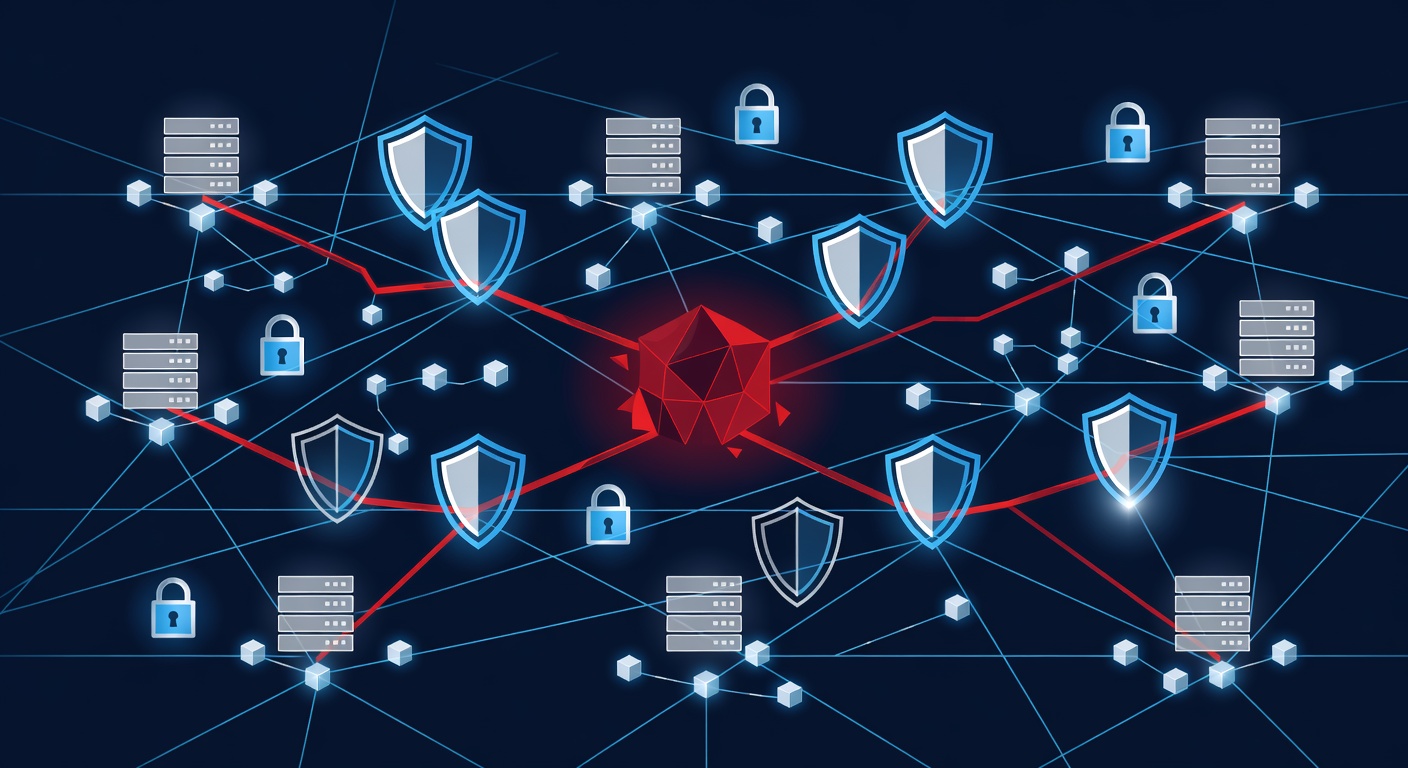
LockBit Fidye Yazılımı Belası Bitmiyor (Ve Bunu Durdurmanın Yolu)
Ransomware saldırıları eskiden sadece başlıklara çıkan ufak tefek sorunlardı. O günler geride kaldı. LockBit bunu defalarca kanıtladı.
LockBit'i özel kılan şu: Bodrum katında tek başına kodlayan bir hacker'ın işi değil. Tam teşekküllü bir suç şebekesi. Yönetimi var, ortakları var, pazarlama taktikleri var. Yasal bir teknoloji şirketi gibi işliyor. Tek farkı tamamen yasa dışı ve yıkıcı olması.
LockBit'i Diğer Fidye Yazılımlarından Ayıran Ne?
Tehdidi anlamak, savaşın yarısını kazanmak demek. LockBit nasıl çalışıyor, bakalım.
LockBit "Hizmet Olarak Fidye Yazılımı" (RaaS) modeli kullanıyor. Suç dünyasının franchise sistemi gibi. Ana ekip yazılımı geliştiriyor, altyapıyı ayakta tutuyor, ödeme sitelerini yönetiyor, dark web'de veri sızıntı siteleri kuruyor. Sonra hacker ortaklar işe koyuluyor. Gerçek şirketlere saldırıyorlar.
Başarılı saldırıdan kazancı paylaşıyorlar. Verimli, ölçeklenebilir ve korkunç etkili.
Asıl ürkütücü kısım "çifte şantaj" taktiği. Verileri şifrelemeden önce çalıyorlar. Ödeme yapmazsan dark web'e dökülecek diye tehdit ediyorlar. Bu sayede şirketler sadece iş kaybıyla kalmıyor. Regülasyon cezaları, davalar, itibar kaybı da cabası.
Beklenmedik Gelişim
2022'de herkes LockBit'in kapandığını sandı. Güvenlikçiler duyurdu. Sorun bitti, değil mi?
Hayır.
Geri döndüler, daha güçlü. Yeni sürüm kendi kendine yayılıyor. Bir sisteme bulaşırsa, insan eli beklemeden ağın her yanına sıçrıyor. Üstelik Maze gibi ölmüş grupların tekniklerini emdiler. Rekabeti yuttular.
Bu basit bir güncelleme değil. Fidye imparatorluğu güçleniyor.
LockBit Nasıl Sızıyor (Ve Mevcut Güvenliğiniz Neden Yetersiz Kalıyor)
Saldırganlar evi önceden inceleyen hırsız gibi. Şunlara bakıyor:
- Yama vurulmamış yazılım açıkları
- Çalıntı kimlik bilgileri (phishing veya şifre tekrarı yüzünden)
- Korumasız girişler gibi açık uzak masaüstü veya yönetici panelleri
- Sosyal mühendislik hileleri, çalışanları kötü dosya veya linke tıkatmak
İçeri girince sessizce dolaşıyorlar. Haftalarca veri topluyorlar. Şifreleme patlattıklarında fark ediyorsun. Değerli verilerin çoktan gitmiş.
Tepkisel Güvenlik Sorunu
Geleneksel siber güvenlik tepkisel. Log'larda tuhaflık görüyorsun. Şüpheli dosya değişikliği. Anormal trafik. İncelemeye başlıyorsun... O sırada LockBit dört sisteme daha yayılmış, yedek veritabanlarını kopyalamış, fikri mülkiyeti çalmış.
İnsan hızı yetersiz. Analist 15 dakikada uyarıyı incelese bile, ransomware o sürede her şeyi ele geçirir.
Otomasyon şart.
Katmanlı Savunma: Gerçekten İşe Yarayan Yaklaşım
Tek çözüme bel bağlama. Tehditleri birden fazla aşamada yakalayan örtüşen savunmalar kur.
1. E-posta Güvenliği — LockBit genelde phishing'le başlıyor. Gelişmiş filtreler kötü ekleri ve linkleri yakalar.
2. Yazılım Güncellemeleri — Bilinen açıkları kolluyorlar. Yama atmazsan kapıyı ardına kadar açmışsın. Basit, ama çoğu atlıyor.
3. Güçlü Kimlik Doğrulama — Zayıf şifre ve MFA'sız hesaplar anahtar bırakmak gibi. Her yerde MFA uygula, yönetici hesaplarını koru.
4. Ağ Bölütleme — Bir kısma girseler bile her yere yayılamaz. Sistemler arası erişimi sınırla.
5. Düzenli Yedekler — Kritik verileri çevrimdışı ve güvenli tut. Saldırıyı önlemez, ama fidye ödemeden toparlarsın.
Oyun Değiştirici: Yönetilen Algılama ve Yanıt
Savunma şart, ama tek başına yetmez. İnsan hızından hızlı algılama ve müdahale lazım.
Yönetilen Algılama ve Yanıt (MDR) burada devreye giriyor. Geleneksel yaklaşımlardan büyük sıçrama.
MDR araç değil, hizmet. Otomasyonu insan uzmanlıkla birleştiriyor:
Sürekli İzleme — 7/24 ağ trafiği ve kullanıcı davranışlarını tarar. Admin dosyası değişikliği, yetkisiz dosya paylaşımı veya veri kaçırma gibi LockBit izlerini yakalar.
Bağlamsal Analiz — Her uyarı eşit değil. Olaylar arası ilişkiyi görür. Başarısız giriş + şifre denemesi + bilinen açık = acil tehdit.
Hızlı Müdahale — Uzmanlar sadece bildirim yapmaz, harekete geçer. Etkilenen sistemleri izole eder, tehdidi içer, onarır. Dakikalar içinde.
İnsan Kararı — AI iyi, ama nüans ve iş etkisi için insan şart.
Hız (otomasyon) + zeka (uzman) karışımı LockBit'i durdurur.
Hemen Yapman Gerekenler
Siber güvenlik karmaşık, sihirli değnek yok. Ama sıfırdan kurmana gerek yok:
Mevcut güvenliği denetle — E-posta filtre var mı? Kritik hesaplarda MFA açık mı? Son yama ne zaman?
Katmanlı savunma kur — Henüz yoksa hemen başla. Her katman zorluğu katlar.
MDR düşün — 7/24 izleyecek ekibin yoksa MDR boşluğu doldurur. Ciddi şirketler için standart.
Ekip eğit — Çalışanlar phishing'e karşı en iyi kalkan. Düzenli eğitim en karlı yatırım.
Olay Yanıt Planı hazırla — Vururlarsa ne yapacağını bil. Önceden prova yap.
Son Söz
LockBit fidye yazılımının yeni çağı: Düzenli, sofistike, amansız. görmezden gelmek işe yaramaz. Yarı önlemler de.
Sağlam temel savunmayı modern algılama-yanıt'la birleştiren şirketler zor hedef. LockBit kolay av arar.
Güvenliği yükseltmeyi karşılayamaz mısın? Asıl karşılayamadığın neyi?
Etiketler ['ransomware', 'lockbit', 'cybersecurity', 'managed detection and response', 'double extortion', 'network security', 'defense in depth', 'mdr', 'data protection', 'cyber threats']