A mysterious virus in 2001 turned networked printers into paper-wasting machines that printed gibberish endlessly. One tech's detective work to track down the culprit became an unexpected masterclass in network security and why firmware updates actually matter.
The Printer Apocalypse That Taught Me Everything About Cybersecurity
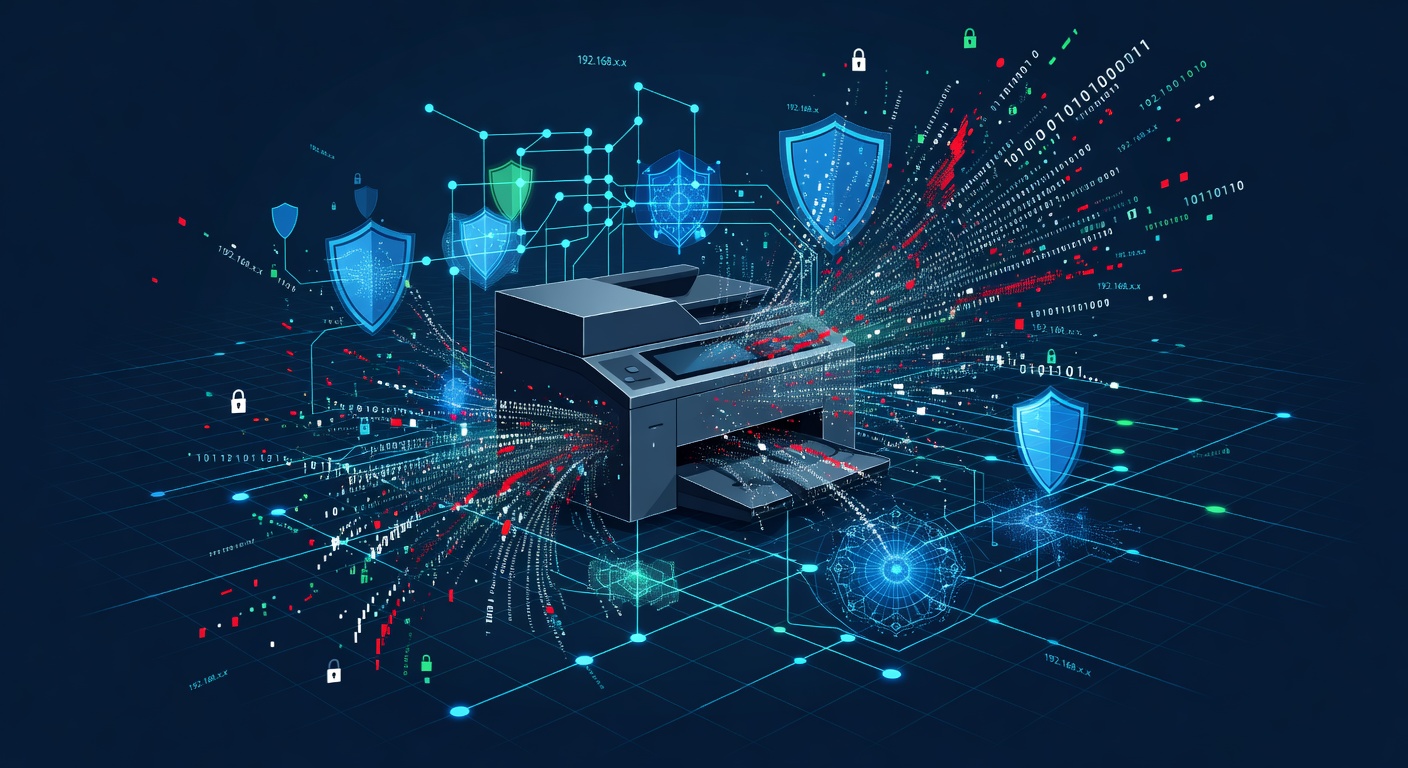
The Printer Apocalypse That Taught Me Everything About Cybersecurity
There's something weirdly terrifying about a machine that won't stop doing the wrong thing. Not in a dramatic way — just quietly, relentlessly wrong. That's what happened to a hospital's entire printer network one summer, and honestly, it's a perfect reminder of why cybersecurity isn't some distant IT concern. It's deeply practical. It affects real people trying to do real work.
When Printers Started Losing Their Minds
Let me paint the picture: summer 2001. The internet is still young enough that "weird printer behavior" doesn't immediately scream "security breach." A field technician gets paged about a networked HP LaserJet that's printing random characters on page after page after page. Sounds annoying. Sounds fixable.
Except it wasn't.
The printer would spit out a few random letters, then move to the next page. Give it more paper? It would keep going. Reboot it? Things would be fine for exactly two minutes before the madness started again. This is the kind of problem that makes you feel crazy because nothing in your troubleshooting playbook works.
Then the pages started coming in. One printer. Then three more. Then four. By afternoon, over 20 printers across the hospital were completely broken. And here's the kicker — only HP printers connected to the hospital's network. Everything else worked fine.
The Plot Thickens (And Gets Weirder)
This is when things get interesting from a security perspective. The tech team started asking the right questions: What do these printers have in common? Why only networked HPs? Is this hospital the only place experiencing this, or is something breaking printers everywhere?
They tried everything. Called HP support. Consulted online resources. Nothing. Days went by. Entire departments couldn't print — and remember, this was 2001. Digital workflows weren't what they are today. Not being able to print meant not being able to work, period.
Then someone noticed something crucial: one HP printer was perfectly fine. It printed normally. It connected normally. It was just... normal. In a week of chaos, that single normal printer became the most interesting thing in the hospital.
The Breakthrough
When they compared the diagnostic pages from the sick printers versus the immune one, they noticed a detail that changed everything: the healthy printer had newer firmware.
Now, firmware might sound like tech jargon, but think of it this way — it's the basic operating system embedded in the printer's silicon chips. It's the low-level brain that tells the printer how to be a printer.
The theory was simple: What if updating the firmware was the cure?
They decided to test it like a real experiment. Isolated one sick printer, connected a single computer to it, and uploaded the new firmware. Rebooted. Connected to the network. Then they waited, holding their breath probably.
Two minutes. Five minutes. Ten minutes passed.
The printer printed perfectly.
The Vaccine Rolls Out
What followed was the tech equivalent of contact tracing — manually going room by room, updating every single HP printer's firmware. Thankfully, the fix worked consistently.
A few weeks later, the truth came out: Code Red, a novel virus that had never been seen before. It was designed to attack Microsoft's web servers (IIS), scanning networks to find and infect other servers. But thanks to a bug in HP's code, the scanning activity was crashing networked printers, making them print nonsense.
The newer firmware had patched that bug. The older printers? Totally vulnerable.
The Real Lesson Here
What strikes me about this story — and what should strike you — is that this wasn't even a deliberate attack on printers. Code Red didn't care about printing. It was collateral damage. A side effect. And yet it completely disrupted an entire organization's ability to function.
This is why firmware updates matter. This is why default passwords are dangerous. This is why having a plan for monitoring and updating your devices isn't paranoia — it's basic operational hygiene.
After the crisis, the tech team implemented changes that sound simple but were revolutionary for their time:
- Centralized monitoring — a server that could push updates to all printers simultaneously
- Changed default credentials — no more manufacturer passwords that everyone knows
- Standardized deployment — every new printer followed the same security setup
Departments that did this? Protected from future attacks. Departments that didn't? Got hit hard when the next waves came.
Why This Still Matters Today
You might be thinking, "That was 2001. Security is better now, right?"
Sure, we've made progress. But the fundamentals haven't changed. Your devices — routers, printers, cameras, smart home gadgets — are all running firmware. Most people never update it. Default passwords are still everywhere. Network segmentation (isolating critical devices) is still often overlooked.
The difference is that in 2001, a printer going haywire was a frustration. Today, an unsecured printer could be the entry point for ransomware that locks down an entire business. A compromised router could expose your entire home network. A smart device with default credentials could become part of a botnet attacking other systems.
The Takeaway
Cybersecurity isn't always about dramatic hackers breaking into Fort Knox-style systems. Sometimes it's about firmware updates, default passwords, and printers printing gibberish. But those "boring" security measures? They're often the difference between a smooth operation and complete chaos.
Check your devices. Update your firmware. Change those defaults. It might feel unnecessary until the day it absolutely isn't.
Tags: ['cybersecurity incident', 'firmware updates', 'network security', 'printer security', 'code red virus', 'it vulnerabilities', 'default passwords', 'network hardening']