Företag pumpar miljarder i brandväggar och antivirusprogram. Men den jobbiga sanningen är att anställda ofta är den största säkerhetsrisken. Vi bryter ner varför säkerhetsmedvetenhetsträning inte bara är en formalitet – det är ditt starkaste vapen mot verkliga hot.
Ditt team – din starkaste eller svagaste länk: Därför spelar säkerhetsträning roll
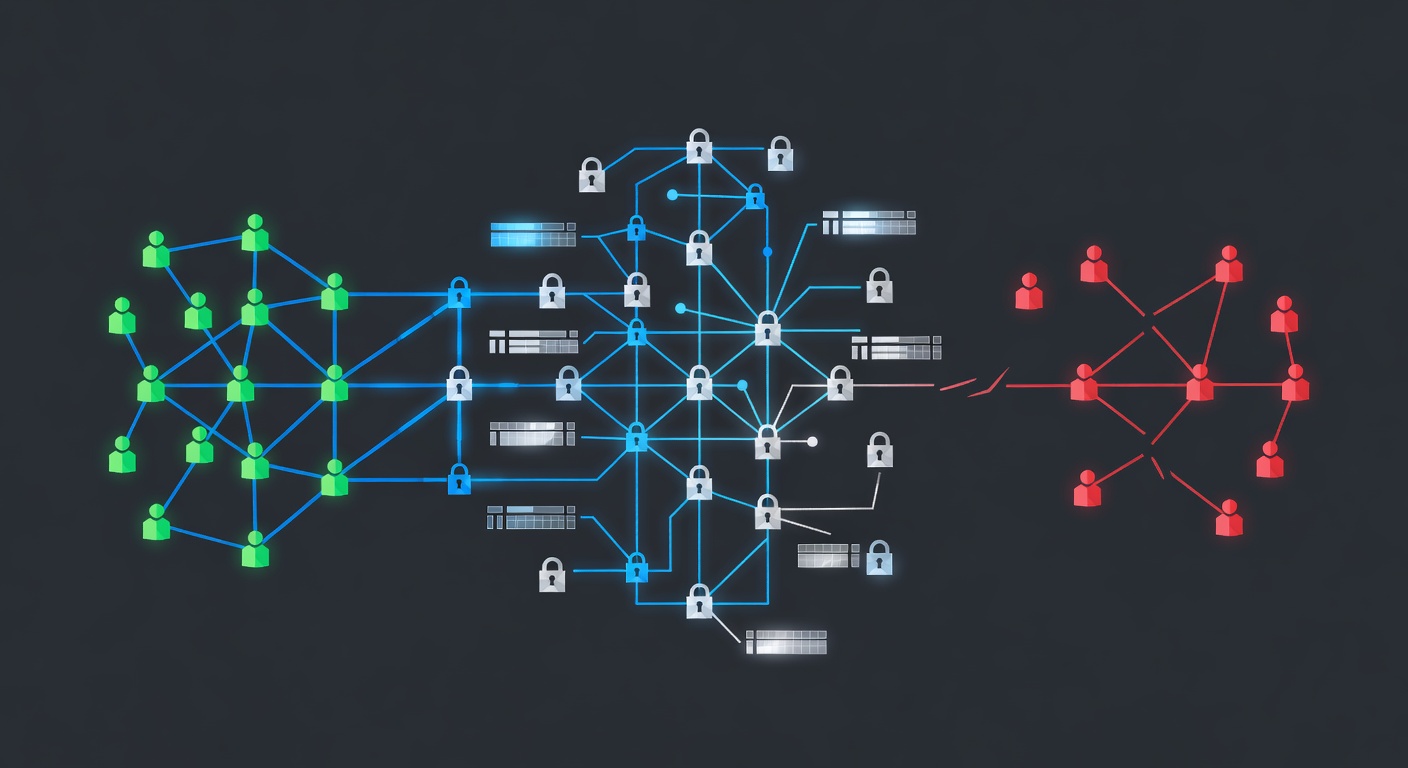
Ditt Team Är Din Starkaste – Eller Svagaste – Länk: Därför Betyder Säkerhetsträning Allt
Hackare blir bara smartare för varje dag. Bedrägliga mejl lurar fler. Social manipulation blir vassare. Och ingen högteknologi stoppar dem helt.
Företag lägger miljoner på toppmoderna säkerhetssystem. Ändå hackas de – för att en enda anställd klickade på en skum länk. Irtagligt. Men fullt möjligt att undvika. Säkerhetsträning är nyckeln. Inte den tråkiga årsrutinen du tänker på.
Sanningen: Människan Är Den Största Risken
Cyberhot handlar inte bara om kod. Mänskliga misstag orsakar flest dataintrång. Dina medarbetare står i frontlinjen. De väljer om de öppnar bifogad fil, återanvänder lösenord eller klickar på en konstig "glömt lösenord"-länk.
Regler som HIPAA, PCI-DSS och ISO 27001 kräver träning av en anledning. De föddes ur verkliga katastrofer. Otillräcklig kunskap ledde till läckor och böter i miljonklassen.
HIPAA: Patientdata Under Attack
I vården är HIPAA ingen lek. Reglerna kräver kontinuerlig personalträning. Patientuppgifter säljer dyrare än kreditkort på darknet. En journal kan vara guld värd för kriminella.
Träningen måste täcka skyddad hälsoinfo (PHI), vad som räknas som intrång och hur man upptäcker hot mot patientdata. Privacy Rule och Security Rule ställer krav på dokumenterade program. Inga genvägar. Revisorer kollar på riktigt.
Vårdgivare som ser det som en kryssruta hamnar i trubbel. De som väver in det i kulturen? De håller hoten stången.
PCI-DSS: Skydda Kortbetalningarna
Hantera du kortdata – betalning, lagring eller överföring? Då gäller PCI-DSS. Mål 6 betonar policyer och medarbetarkunskap.
Kortbedrägerier kostar världen över 28 miljarder dollar årligen. Hackare jagar snabba vinster. Kompatibla företag vinner på köpet:
- Större kundförtroende: Folk vågar betala hos seriösa aktörer.
- Mindre förluster: Färre intrång, färre återbetalningar.
- Effektivare rutiner: Säkerhet förenklar driften.
- Kant mot konkurrenter: Visa upp certifiering – det säljer.
När teamet fattar varför data är värdefull och hur den jagas blir de vaksamma. Träning förändrar beteendet.
NIST SP 800-53: Flexibelt För Alla
NIST 800-53 skapades för statliga myndigheter. Men principerna funkar överallt. Passar dig med känslig data – kontrakt, finanser eller patent.
Ramverket är anpassningsbart. Inga stela mallar. Välj kontroller efter era risker. Träningen skräddarsys mot verkliga hot, inte tomma ritualer.
Det handlar om intern kommunikation. Förklara risker och syfte. Då blir efterlevnad vana, inte tvång.
ISO 27001 & 27002: Världens Guldstandard
Internationell verksamhet? ISO 27001 och 27002 styr informationssäkerhetssystem (ISMS). Det spänner över teknik, folk och processer.
Träning är kärnan i standarderna. Certifiering tvingar ofta fram stora förändringar. Bra så. Det lyfter er från pappersexercis till äkta mognad.
Sluta Skrämmas: Så Gör Träning Rätt
Många program bygger på rädsla. "Klicka här – företaget ruinieras!" Det slår tillbaka. Folk gömmer fel och skippar rutiner.
Bra träning ser annorlunda ut:
- Kontinuerlig: Inte en gång om året. Hoten ändras snabbt.
- Anpassad: Era hot, inte generiska tips. Ransomware? Statliga aktörer? Phishing?
- Konkreta exempel: Visa riktiga mejl och scenarier.
- Enkel att följa: Säkerhet ska vara smidigt, inte krångligt.
- Utvärdera: Testa med simulerade attacker. Mät och justera.
Slutsatsen
Dessa ramverk kom inte ur tomma intet. Verkliga intrång tvingade fram dem. Data staldes. Böter delades ut.
Säkerhetsträning är ert immunförsvar. Teknik behövs. Men utan kunniga medarbetare är det ofullständigt.
Oavsett HIPAA, PCI-DSS, NIST eller ISO: Satsa på folkets kunskap. Det klarar revisioner. Och minskar riskerna på riktigt. Skyddar data, kunder och rykte.
Kolla ert team. Förstår de säkerhet på djupet? Inte bara "gjort kursen"? Nej? Då är det er akilleshäl. Åtgärda det nu. Resten faller på plats.
Taggar: ['security-awareness-training', 'compliance-standards', 'hipaa', 'pci-dss', 'cybersecurity', 'employee-training', 'iso-27001', 'nist', 'data-protection', 'security-culture']