Долгие годы компании покупали IT-оборудование за свои деньги — сервера, сети, всё подряд. Но времена меняются на глазах. Всё больше фирм переходят на аренду инфраструктуры. Это делает их гибче, экономит бабки и позволяет сосредоточиться на росте бизнеса, а не на заботах с устаревшим железом.
Почему боссы IT бросают огромные закупки железа (и вам стоит последовать их примеру)
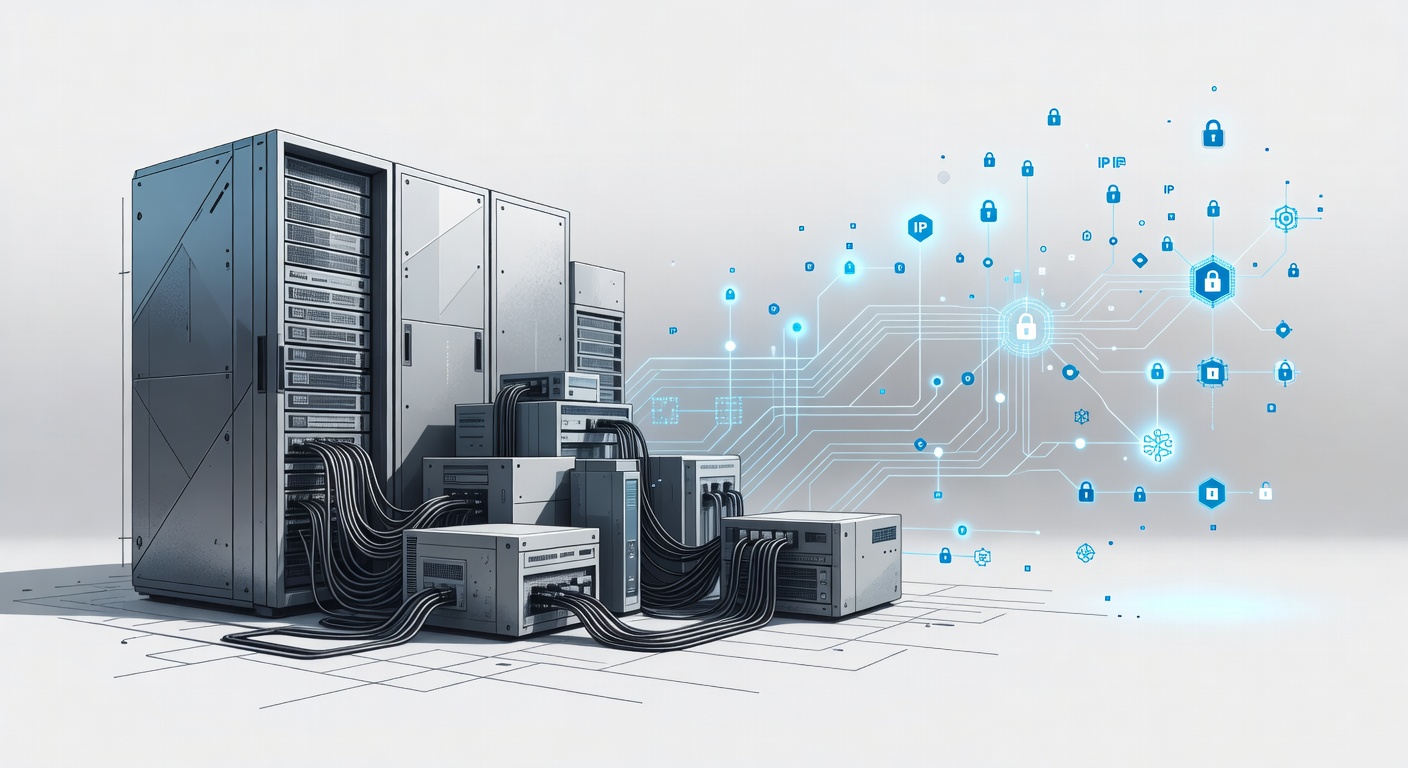
Старый способ покупки IT уходит в прошлое
Помните, как раньше покупали компьютер — и он твой навсегда? То же самое было с IT в компаниях. Собирали огромный бюджет. Месяцами торговались с поставщиками. Брали дорогие сервера и сети. И молились, чтобы всё не устарело через пять лет.
Спойлер: устаревало всегда.
Я видел, как фирмы тонут в этом. Тратят сотни тысяч на железо. Технологии летят вперёд. А они сидят с хламом, который не поменять. Как машина в кредит: новая модель вышла, а ты ещё два года платишь за старую.
Умные компании теперь идут другим путём. Не покупают (это CapEx — капитальные траты). А арендуют и подписываются (OpEx — операционные расходы). И это меняет всё.
Почему владеть техникой — это провал
Давайте разберём, почему "купи и держи" уже не работает.
Деньги улетают сразу. Покупка IT — это удар по карману в первый же день. Эти средства могли пойти на разработчиков, рекламу или рост. А вместо этого — коробки, которые дешевеют с первой минуты.
Ты гадаешь на кофейной гуще. Нужно угадать, что понадобится через годы. 20 серверов или 50? Облако или свои стойки? Ошибся — переплачиваешь за пустое место или в панике докупаешь. Идеала не бывает.
Одобрения — сплошной ад. Большую покупку согласовывают месяцами. Бюджет планируют за год. Отделы ставят подписи. А когда дали добро — на рынке уже лучшее. IT-директора тратят жизнь на совещания, а не на дело.
Ты прикован к прошлому. Купил — и сиди. Обновить? Ещё траты и согласования. Конкуренты в облаке летают, а ты сервера 2019 года ковыряешь.
Масштаб — кошмар. Клиенты хлынули? Расти срочно? Покупай железо, ставь, настраивай. Жди доставку. Пока ждёшь — всё рухнет. Дорого, медленно, нервы.
Почему подписка — это умно
OpEx переворачивает игру.
Платишь за то, что юзаешь. Не ком в горло, а ежемесячный счёт. Как аренда или свет. Предсказуемо. Вписывается в бюджет. Без сюрпризов.
Обновления сами приходят. Провайдер следит за всем: ремонт, апдейты, замена. Серверы не устаревают. Патчи на месте. Твоя IT-команда свободна для важного — не бегает за поломками.
Всегда свежие инструменты. SaaS, IaaS, DaaS — получаешь топ без покупки. Компания в тонусе, без трат на апгрейды.
Гибкость на максимуме. Рынок повернулся? Нанимаешь 50 удалёнщиков? Включаешь ресурсы. Не нужно — сворачиваешь. Без бюрократии.
Согласования лёгкие. Не миллионы капитала, а операционка. Одобрят за неделю. Меньше встреч, больше дела.
Финансы в плюсе. CFO в восторге: OpEx не бьёт по балансу. Расходы растянуты. Коэффициенты лучше. Деньги свободны для инвестиций.
Что это меняет на деле
Это не трюки с учётом. Фирмы просто устали тормозить.
Раньше ждали полтора года на апгрейд серверов — теперь меняют каждый квартал. Стартап без 200 тысяч берёт enterprise-уровень за копейки. Команды из админов превращаются в стратегов и innovators.
Просто: деньги на старьё — это упущенные шансы завтра.
Подходит ли OpEx тебе?
Не всем нужна полная подписка. Если нужды стабильны и бабки есть — можно владеть. Но для большинства, особенно в быстрых нишах, гибкость OpEx — топ.
Главный вопрос: тратить силы на железо или на то, что делает твой бизнес особенным?
Ответ для большинства ясен.
Теги: ['it budgeting', 'capex vs opex', 'cloud infrastructure', 'managed it services', 'business technology', 'cost optimization', 'digital transformation']