Atacurile ransomware umplu știrile zilnic, iar firmele mici înțeleg în sfârșit că nu mai pot ignora pericolul. O soluție nouă, pentesting-ul gestionat, face testele profesionale de securitate accesibile și firmelor care până acum nu-și permiteau așa ceva – și schimbă complet regulile jocului pentru toți.
De ce afacerile mici au început să ia ransomware-ul în serios (și de ce ar trebui să faci la fel)
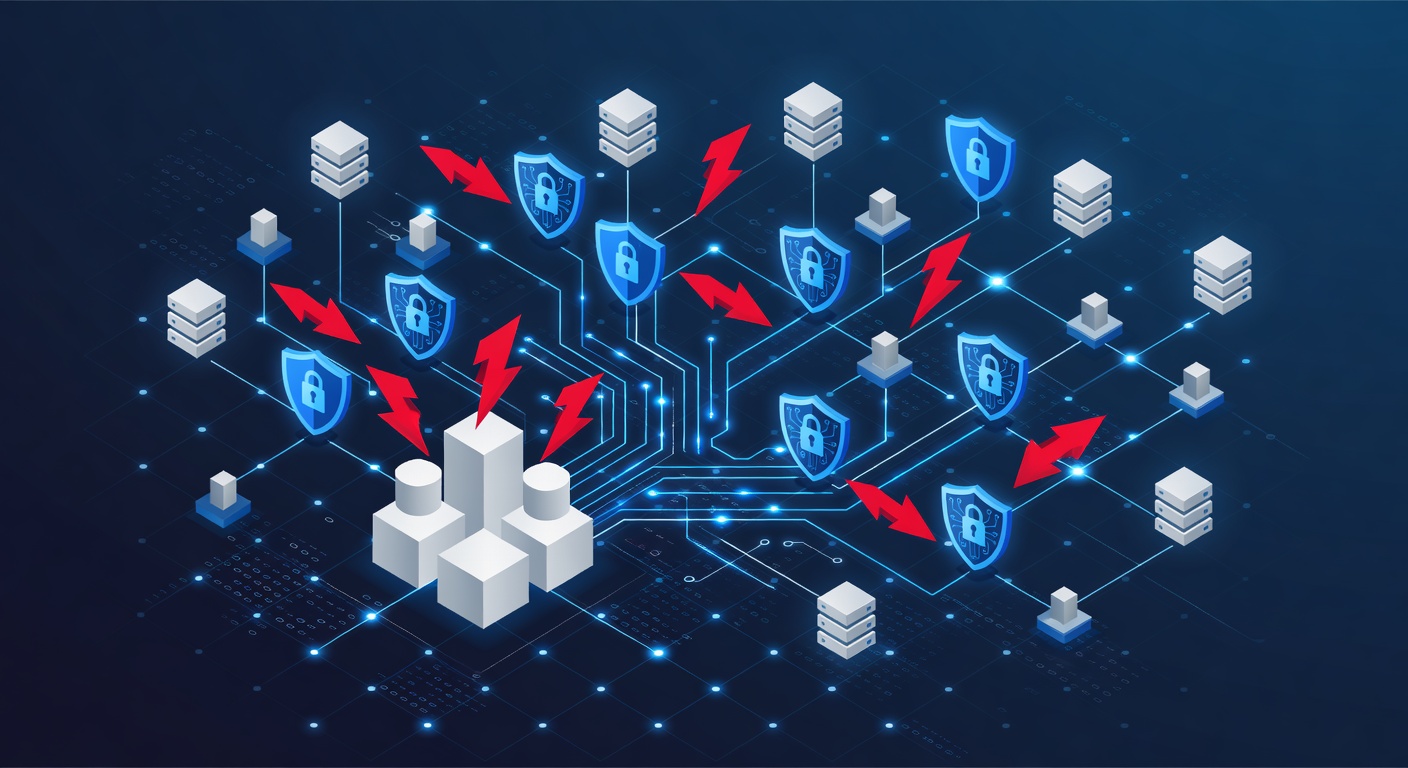
De ce firmele mici încep să ia ransomware-ul în serios (și de ce ar trebui să faci la fel)
Imaginați-vă scena: marți dimineața, o brutărie locală deschide porțile, dar toate calculatoarele sunt blocate. Cerere de răscumpărare pe ecran. Miercuri, știrea e la televizor. Joi, apar alte trei cazuri în zonă.
Nu e alarmism. E realitatea afacerilor în 2024. Atacurile ransomware au devenit banale, ca ploaia de vară în știri locale. Ani la rând, firmele mici aveau două alegeri: plătești consultanți scumpi pentru teste rare sau te rogi să scapi.
Dar lucrurile se schimbă. Și bine face.
Semnalul de alarmă pe care nimeni nu și l-a dorit
Ransomware-ul sperie patronii ca nimic altceva. Efectul e instant: sistemele se opresc brusc. Soluția pare simplă – plătești și gata –, dar e o capcană. Banii ajung la infractori, îi încurajezi să revină, iar datele tale nu-s garantat recuperabile.
Totuși, firmele plătesc din disperare. Aici intră pentesting-ul gestionat. E una din cele mai bune inovații în securitate lately.
Ce înseamnă pentesting gestionat, pe scurt?
Testele clasice de penetrare sunt ca un control medical anual: vine expertul, găsește găuri, face raport și pleacă. Scump și rar.
Varianta gestionată e opusul. Oferă teste continue de securitate, la prețuri accesibile firmelor mici. Ca un abonament la controale regulate, nu aștepți nenorocirea.
Schimbarea mare? Poți simula atacuri ransomware incluse. Echipa ta exersează reacția reală – descoperire, decizii, haos – fără hoți adevărați sau bani pierduți.
De ce contează pentru tine
Patronii firmelor mici știu că au nevoie de securitate. Dar un test clasic costă 15-25 de mii de euro. Renunță. Apoi vine atacul: peste 100 de mii cheltuiți pe recuperare (dacă ai noroc). Deodată, investiția pare ieftină.
Pentesting-ul gestionat rupe cercul ăsta.
Cu abonamente accesibile, firmele de securitate ajung la clienți ignorați înainte. Firmele mici primesc expertiză pro. Iar furnizorii? Venituri stabile. Toată lumea câștigă.
Dar simularea ransomware e vedeta.
Simularea ransomware: exersezi fără coșmar
Majoritatea firmelor dau rateuri la ransomware nu din planuri proaste, ci din lipsă de practică.
Serviciile gestionate fac simulări țintite pe slăbiciunile tale. Atac fals, răspuns real-time. Vezi ce merge, unde crapă planul, ce training lipsește.
Ca o alarmă de incendiu pentru ransomware. Prețios.
Fiind continue, devii mai bun la fiecare rundă. Pătezi găuri, ajustezi planuri, antrenezi echipe, retestezi. Ciclu de îmbunătățire, nu „am făcut odată acum trei ani”.
Costul real al ignoranței
Să fiu clar: fără teste de securitate, joci la ruletă. Pariezi că nu te aleg hoții, că backup-urile merg, că echipa ta știe ce face fără repetiții.
Șanse mici.
Un atac înseamnă: oprire operațiuni (bani pierduți imediat), date șterse, costuri de recuperare, amenzi, reputație dusă. O firmă mică poate închide.
Compară cu pentesting-ul gestionat: câteva sute sau mii de euro lunar. Logic, nu?
Opinie personală: așa ar trebui să fie securitatea
Creșterea pentesting-ului gestionat aliniază interesele. Furnizorii câștigă din securitate continuă. Firmele mici – protecție fără faliment. Mai puține incidente pentru toți.
Nu e panaceu. Ai nevoie de backup-uri bune, training angajați, planuri de criză. Dar teste pro, regulate? Pas uriaș înainte.
Simulările ransomware devin standard. Industria atacă frica reală a patronilor. Bun semn.
Dacă nu faci teste de penetrare acum, e timpul să schimbi. Vorbește cu IT-ul. Cere oferte. Vezi ce înseamnă pentru tine.
Cea mai proastă cheltuială e pe securitate. A doua mai proastă? Să nu cheltui și să plătești scump mai târziu.
Etichete: ['managed-pentesting', 'ransomware-prevention', 'breach-simulation', 'small-business-security', 'network-security', 'penetration-testing', 'cybersecurity-strategy', 'attack-simulation', 'ransomware prevention', 'managed penetration testing', 'cybersecurity for small business', 'breach simulation', 'network security', 'cyber threat detection']