How Ryuk Ransomware Sneaks Past Your Defenses (And Why Speed Matters More Than You Think)

How Ryuk Ransomware Sneaks Past Your Defenses (And Why Speed Matters More Than You Think)

Ryuk isn't just another ransomware threat—it's a calculated, multi-stage attack that exploits your existing security gaps before you even know it's there. We break down how this sophisticated malware operates, why traditional defenses often fail, and what actually works to stop it.

The Ransomware That Plans Ahead

Here's something that keeps security teams up at night: most ransomware attacks are chaotic and opportunistic. They hit fast, encrypt everything, and demand payment. Ryuk doesn't work that way.

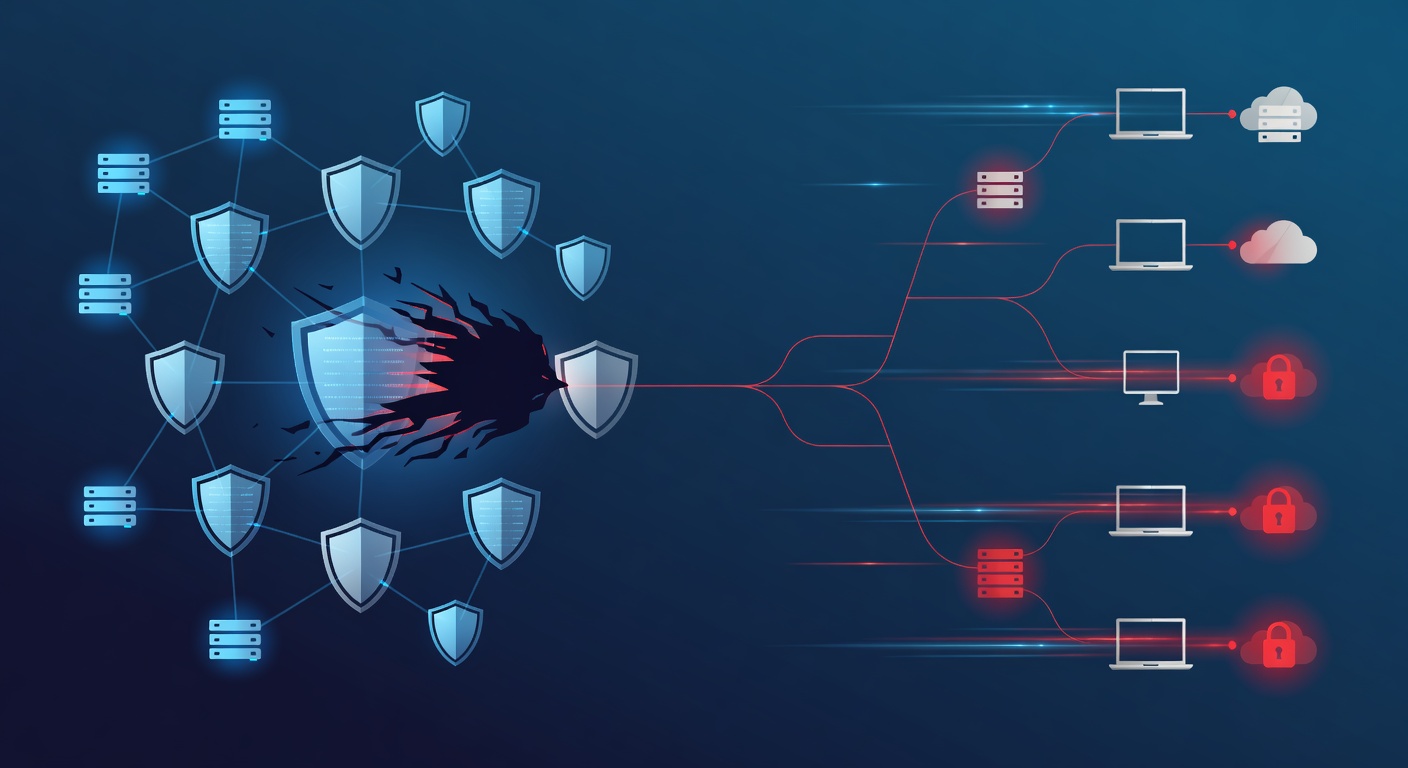
Ryuk is different because the attackers behind it actually think before they strike. They don't just randomly deploy malware and hope for the best. Instead, they conduct careful reconnaissance of your network, mapping out critical systems, identifying backup locations, and finding the fastest path to maximum damage. It's less "smash and grab" and more "heist movie."

This methodical approach is what makes Ryuk so dangerous. By the time you realize you're under attack, the bad guys have already spent hours or days inside your network, learning your infrastructure like they own it.

How Ryuk Actually Gets Inside

The sneaky part? Ryuk rarely forces its way in directly. Instead, it takes advantage of malware that's already infecting your systems.

Think of it like this: a burglar doesn't kick down your front door if you've already left a window open. Ryuk exploits existing infections—malware like TrickBot is a common entry point—and uses that foothold to inject itself deeper into your systems.

Once inside, Ryuk hides its malicious code within legitimate processes running on your computer. This camouflage is deliberate and effective. A process that looks normal to security software might actually be encryption malware quietly scrambling your most important files. By staying under the radar, Ryuk buys itself time to:

  • Spread across your network
  • Find and eliminate your backups (yes, it specifically targets them)
  • Steal sensitive data before encrypting it
  • Set up a double extortion scheme (encrypt your files AND threaten to leak your data)

Why Your Backups Might Not Save You

Here's something that surprises a lot of people: Ryuk doesn't just encrypt your files and ask for ransom. It actively hunts down and destroys your backups first.

This is a calculated move that eliminates your Plan B. Even if you think you can recover without paying the ransom, you might find that your backups are gone, your files are encrypted, and you're truly stuck. It's why having immutable backups—ones that even attackers can't modify or delete—has become absolutely critical.

But here's the uncomfortable truth: backups are only useful if you can actually restore from them quickly. If Ryuk has already spread throughout your entire network, you might be spending days or weeks cleaning infected systems while trying to recover simultaneously.

The Problem With Waiting for Humans to React

Let's be honest about something: cybersecurity incidents move faster than people do.

By the time your security team notices suspicious activity in the logs, investigates what they're seeing, and decides to take action, Ryuk has already compromised multiple systems. Your team might spot an unusual spike in network traffic, but they're already playing catch-up. The malware operates at machine speed; human reaction time can't compete.

Traditional security tools can detect malware after the fact, but "after the fact" is too late when you're dealing with something like Ryuk. You need detection that happens in real-time, paired with automated responses that don't wait for someone to finish their coffee and get to their desk.

This is where most organizations' defenses break down. They have good tools, but those tools are disconnected from rapid response capabilities.

Building a Defense That Actually Works

So how do you stop something this sophisticated? You need layered defenses—what security professionals call "defense in depth."

Here's what this looks like in practice:

Email security needs to be strong. Since many attacks start with phishing emails that deliver initial malware, you need solid email filtering that can identify malicious attachments and suspicious links before they ever reach your inbox.

Your people need training. A tool can't stop an employee from clicking a dangerous link if they don't recognize the threat. Regular security awareness training significantly reduces the chance that your organization becomes an entry point for Ryuk.

Backups need to be immutable and isolated. Store backup copies in ways that even an administrator can't modify or delete—at least not without multiple authorization steps. Keep them separate from your main network when possible.

You need to monitor everything. Constant visibility into network activity, user behavior, and system changes is essential. This is where things get interesting, though.

The Missing Piece: Automated Detection and Response

Here's what separates organizations that survive ransomware attacks from those that don't: they have systems that detect threats and respond automatically, without waiting for human approval.

Imagine software that's constantly monitoring your network, comparing activity against known attack patterns, and automatically isolating suspicious systems the moment something looks wrong. No delays. No committees. No waiting for the right person to approve the action.

This approach—sometimes called Managed Detection and Response (MDR)—combines continuous monitoring with rapid, automated containment. When Ryuk starts making suspicious changes to admin files, the system doesn't wait to report it. It detects the pattern, matches it to known Ryuk behavior, and isolates that section of your network in seconds.

The human security analysts are still in the loop—they're just responding to already-contained threats rather than frantically trying to stop an active, spreading infection. It's the difference between putting out a small fire and fighting a wildfire.

Why Speed Is Everything

Let me be direct: in a ransomware attack, the first 60 seconds are the difference between a contained incident and a disaster.

If you can detect Ryuk and isolate the infected system before it spreads to critical infrastructure, you've won. Your data stays safe. Your business keeps running. The damage is minimal.

If you miss that window? Ryuk spreads to your file servers, your backup systems, your domain controllers. Suddenly you're not dealing with one compromised computer—you're managing an enterprise-wide breach that could take weeks to fully recover from.

This is why reactive security—tools that alert you after something bad has already happened—isn't enough anymore. You need proactive detection that catches threats in the act, combined with automated response that moves faster than the malware itself.

What This Means for Your Organization

If you're responsible for your organization's security, here's what you should be thinking about:

  1. Audit your backups. Are they truly immutable? Can an attacker delete them? Can you restore from them quickly?

  2. Map your network. Know where your critical systems are. Know what data is most important. Know what you absolutely cannot afford to lose.

  3. Test your incident response. Don't wait for a real attack to find out whether your team can actually respond. Run simulations. See where things break.

  4. Consider automated detection. Whether through MDR services or internal tools, you need something that can detect and respond to threats in real-time without human bottlenecks.

  5. Train your team. Your people are your first line of defense against phishing and social engineering attacks that often precede ransomware.

The Bottom Line

Ryuk isn't going away. Neither are other sophisticated ransomware variants. But understanding how these threats work gives you a real advantage in defending against them.

The organizations that suffer the worst Ryuk attacks are usually the ones that relied on tools alone, didn't practice incident response, or had no way to recover quickly from a serious compromise. The ones that manage to minimize damage are those with layered defenses, rapid response capabilities, and a realistic understanding of how serious threats actually spread.

Your security doesn't need to be perfect—it just needs to be faster and smarter than the malware trying to break in.

Tags: ['ransomware', 'ryuk', 'cybersecurity', 'malware defense', 'managed detection and response', 'data security', 'ransomware prevention', 'network security', 'backup strategies', 'incident response']