IT-teamet deres er dyktig, men de sitter fast i brannslukking. Co-managed IT handler ikke om å erstatte dem – det handler om å gi dem pusterom til å drive virksomheten fremover, i stedet for bare å holde lyset på.
Hvorfor IT-avdelingen din drukner – og hvordan fikse det uten å miste kontrollen
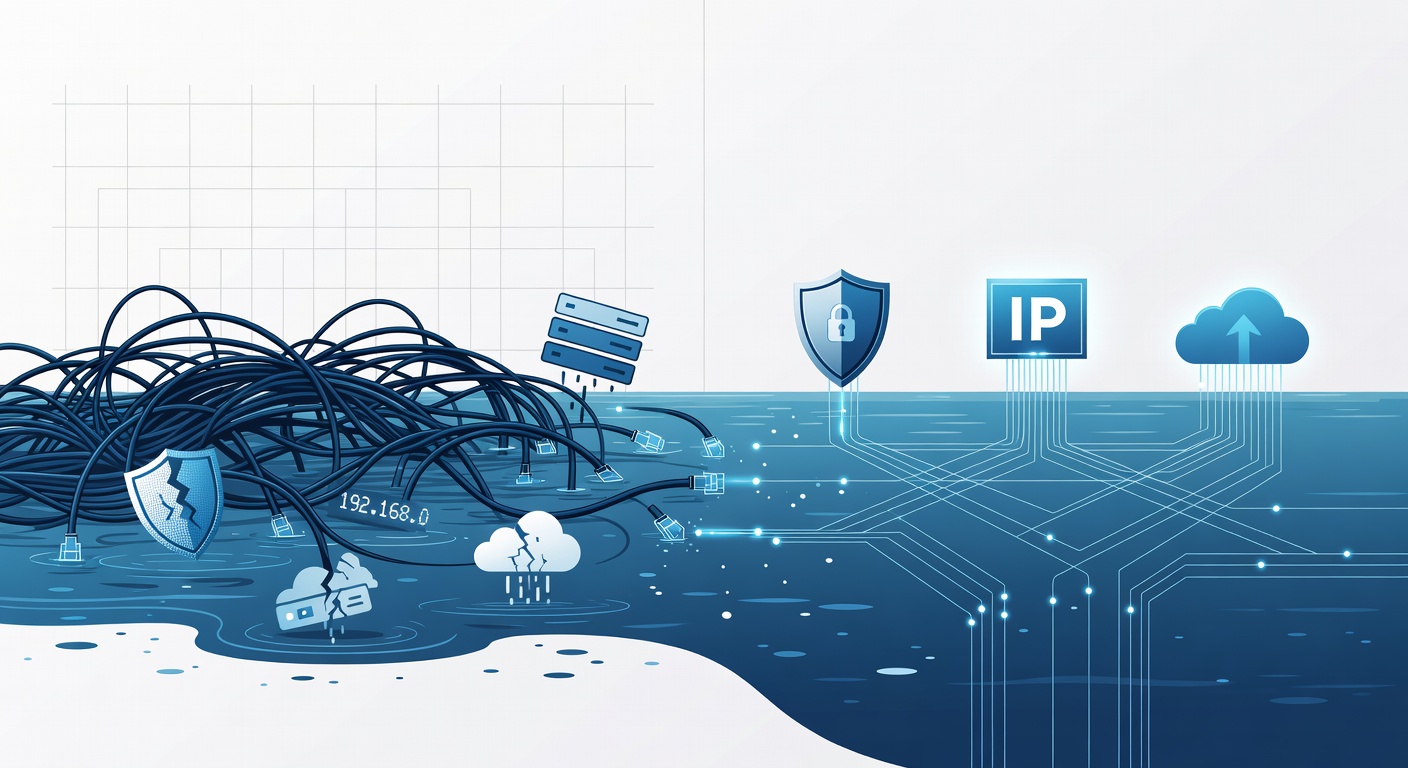
Hvorfor IT-folka di drukner – og hvordan fikse det uten å miste grepet
Du kjenner det kanskje. Et dyktig IT-team som alltid løper etter branner. De fikser feil kjapt, kjenner bedriften din ut og inn. Men de rekker aldri løfte blikket mot fremtiden.
Latterlig frustrerende, ikke sant?
Mange vokser seg ut av "noen som fikser litt på si". Men de er ikke store nok til en hel avdeling med eksperter overalt. Det mellomrommet tapper deg for penger og tid.
Problemet alle ignorerer
Bedrifter ansetter flinke IT-folk. Så blir de ufrivillig til brannslukere. Din IT-er fikser skriveren, nullstiller passord, håndterer ransevarselet – og holder alt annet flytende på mirakuløst vis.
Dette holder ikke. Det er sløsing.
Du betaler for kunnskap. Men bruker den på desperat skadestyring. Som å sette en Michelin-kokk til å svare på klager i resepsjonen.
Tenk om IT-teamet ditt kunne tenke igjen?
Her kommer samstyring inn. Ikke outsourcing. Du gir ikke fra deg kontrollen til en ekstern leverandør. Det er noe helt annet – og ofte et mareritt.
Samstyring er et samarbeid. Internt team blir værende. De kjenner kulturen, prioriteringene, folkene. Ekstern partner tar det tunge løftet – oppgavene som tapper krefter uten å kreve dyp bedriftkunnskap.
Forestille deg en superkompetent reserve som alltid er klar. Internt team slipper å være enmannsarmy. De blir strategene som styrer tech i bedriftens favør.
Hva skjer egentlig i praksis?
Her er et bilde av virkeligheten:
Sikkerhet blir aktivt. Nå presses det inn mellom alt annet. Med samstyring får du døgnovervåking, trusseldeteksjon og respons fra rene spesialister. Ingen allnighters for ditt team – partneren våker mens folk sover.
Supportkøen styrer ikke livet lenger. Passord, enkle feil, nettverkstrouble – eksternt team tar det. Dine folk dropper billett 347 og tar tak i det store infrastrukturprosjektet som har ligget på vent.
Store prosjekter går av stabelen. Skytt til skyen, oppgraderinger, compliance – de utsettes ikke lenger. Partneren bidrar med ressurser og ekspertise. Ditt team kjører dagligdrift.
Teamet får pusterom. Dette er gull verdt. Uten konstant kaos blir de mer engasjerte, kreative, verdifulle. Mindre utbrenthet. Bedre trivsel. Enklere å holde på dem.
Det skal kjennes usynlig
Gode samstyringspartnere er sømløse. Ansatte merker ikke ekstern hjelp. Ikke noe "leverandørfølelse". Tickets med deres branding. Rask, jevn support. Kvalitet som holder.
Ditt team er ansiktet utad – de kjente og trygge. Bak kulissene fyller partneren hull i kapasitet og kompetanse. De færreste skjønner det engang.
Ingen trolldom. Bare dedikasjon fra begge sider.
Hvorfor dette booster veksten din
Tech skal drive bedriften fremover, ikke bremse den. I krise-modus blir IT en flaskehals.
Samstyring snur det. Ledermøter går fra "problem" til "mulighet". Fra konstant forsvar til nye markeder og bedre kundereise via tech.
Pluss robusthet. Alt hviler ikke på ett–to nøkkelpersoner. Ferie, sykdom, slutt – ingen krise. Kunnskap spres. Bedriften tikker uansett.
Passer dette deg?
Ja, hvis:
- Teamet er bra, men overveldet
- Prosjekter skyves stadig ut
- Sikkerhet er "håper det går bra"
- IT løser kriser, ikke skaper verdi
- Du vil beholde teamet, men utvide kapasiteten
Nei, hvis du mangler internt IT helt (trenger annet) eller vil outsource alt og glemme det (det er managed services, ikke samstyring).
Den ekte gevinsten
Samstyring matcher dagens IT-verden. Du trenger internt folk som forstår bedriften – pluss ekstern tilgang til proffer, verktøy og skalerbarhet ingen mellomstor bedrift klarer alene.
Gammel tankegang: Enten masse ansatte eller full outsourcing. Feil valg. 2024-hybrid er smartere.
Dine flinke folk gjør meningsfullt arbeid, ikke drukner i tickets. Bedriften får toppsikkerhet, strategi, drift. Ansatte får solid support – uten å merke sømmene.
Det er ikke kompromiss. Det er smart ledelse.
Tagger: ['managed it services', 'it outsourcing', 'co-managed it', 'it support', 'cybersecurity', 'business technology', 'it strategy', 'network security', 'managed service provider']