Sosialtekniske angrep handler ikke om å knekke datasystemer. De handler om å knekke hodet ditt. Hackere er skremmende flinke til å utnytte menneskelig psykologi. Og nå gjør AI dem enda farligere. Her er det du må vite for å beskytte deg selv.
Psykologien bak haking: Vanntett sunn fornuft er din beste forsvar
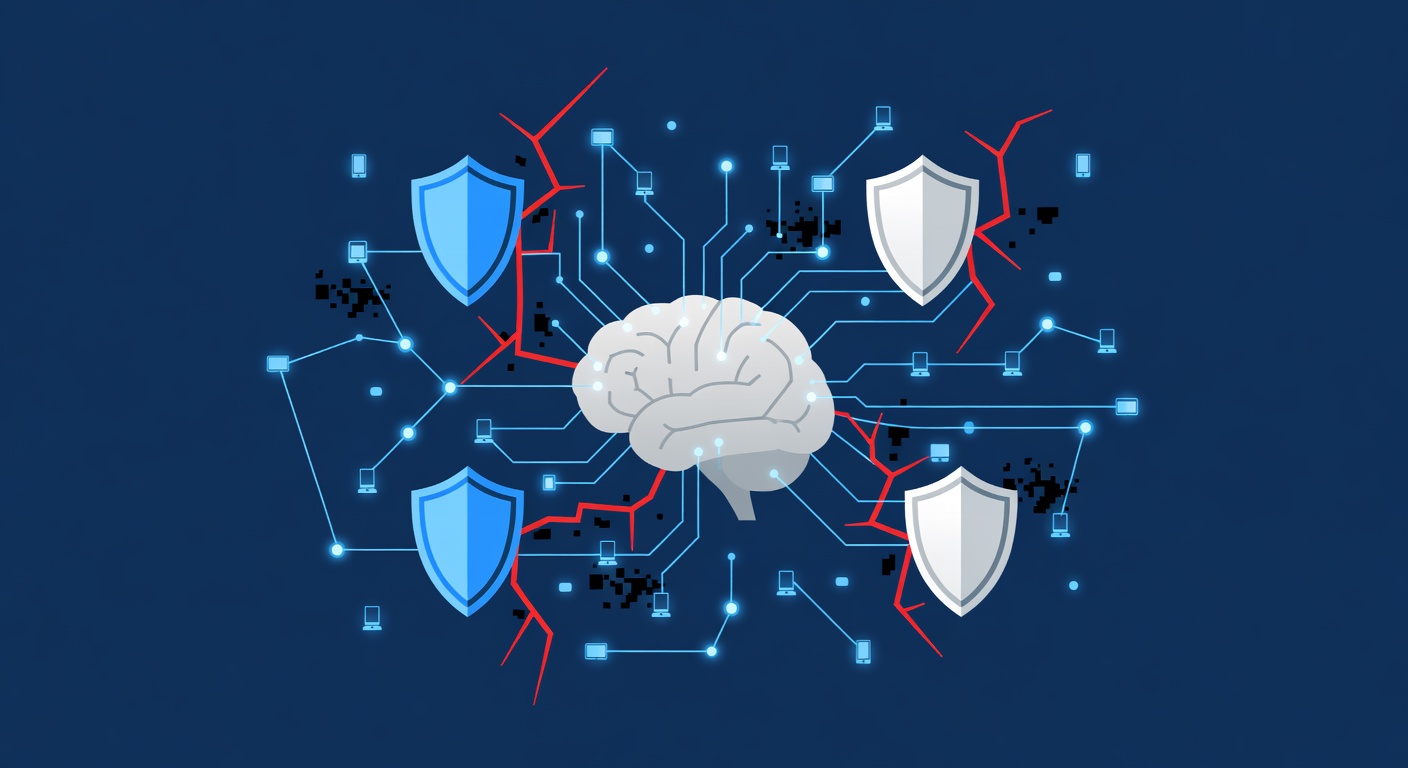
Psykologien bak hacking: Hvorfor sunn fornuft er din beste sikring
Tenk deg dette: Den største trusselen mot bedriften din er ikke en mystisk hacker i en kjeller. Det er oss selv. Vi stoler for lett på folk. Vi hjelper for raskt når noen ber om det.
Sosial manipulering handler om å lure mennesker. Ikke avansert kode. Ikke hemmelige hull i systemer. Bare psykologi som treffer blink. Og det fungerer som aldri før.
Tallene er brutale
I 2024 steg angrep med sosial manipulering med 16 prosent. 85 prosent av bedrifter ble rammet. Dette er ikke lenger unntaket. Det er hverdagen.
Hvorfor eksploderer det? KI. Angripere bruker kunstig intelligens til å lage meldinger som høres ekte ut. Deepfakes som lurer øyet. Og de skalerer opp i rekordfart. Det som tok timer før, tar minutter nå.
Verden har endret seg. Ignorerer du det, blir du et lett bytte.
Slik sniker de seg inn i hodet ditt
De er ikke rakettforskere. De utnytter følelser. Fire klassiske knapper:
Frykt – "Kontoen din stenges med det samme med mindre du bekrefter!"
Hasard – "Handle nå, tilbudet forsvinner snart!"
Grådighet – "Du har vunnet 5000 dollar – hent prisen din!"
Nysgjerrighet – "Du aner ikke hva som skjedde. Klikk for å se."
Under press tenker du ikke klart. Hjernen hopper over tvilen. Akkurat det de vil.
Nå blander de inn nyheter, trender eller interne detaljer. En deepfake av sjefen som ber om penger? Det skjer daglig.
Varselstegn du må kjenne igjen
Hvordan ser et slikt angrep ut? Her er de ekte indikatorene:
Utskrudd identitet – Noen later som IT-avdelingen, sjefen eller en leverandør. De faker e-post eller telefon. Sjekk avsenderen nøye. Er det support@firmaet.no eller support@f1rmaet.no (se "1" i stedet for "i")? Lett å overse. Fatalt å bite på.
Tvilsomme lenker – En melding med "sikker" lenke. Hold musen over for å se den sanne adressen (fungerer dårlig på mobil). Bedre: Gå selv til nettsiden. Skriv adressen manuelt.
Falske nettsteder – De registrerer nesten-identiske domener. BankNorge.com mot BankNorgee.com. Sidene ser proffe ut. Du logger inn ... og taper alt.
Feil og slurv – Ekte firmaer er presise. Typer og rar formatering skriker falsk. Men KI skriver feilfritt nå. Stol ikke bare på dette.
Følelser som ikke stemmer – Instinktet ditt lyver sjelden. For godt til å være sant? For travelt? Sjekk via annen kanal. Ring sjefen. Send ny melding til IT.
Brannmurer hjelper ikke mot dette
Du kan ha topp utstyr. Likevel taper det mot en smart e-post som lokker noen til å åpne vedlegget.
Derfor teller opplæring. Ikke den kjedelige årlige quizen alle jukser seg gjennom. Men skikkelig trening som bygger kritisk tenkning.
God trening:
Er levende – Bruk simuleringer, tester og spill. Folk husker mer når det er gøy.
Tar fra virkeligheten – Vis ekte eksempler fra bransjen din (uten navn). Gjør det nærme.
Lærer tvil, ikke frykt – Stopp og sjekk. Ikke bli lammet.
Oppdateres løpende – Taktikkene endres. Hold tritt.
Verktøy som faktisk funker
Opplæring alene holder ikke. Kombiner med tech.
To-trinns-verifisering (MFA) – Passordet er ikke nok. Ekstra faktor stopper de fleste.
E-postfiltre – Fanger mye skrot før det lander i innboksen.
Passordbehandlere – Generer sterke, unike passord. Slutt på gjenbruk.
Ingen er perfekte. Men bedre enn å håpe på flaks.
Konklusjonen
Sosial manipulering utnytter det menneskelige. Viljen til å hjelpe. Frykten for å gå glipp. Tilliten vår. Du kan ikke fjerne det – og bør ikke. Men du kan gjøre det vanskeligere.
Vær skeptisk. Sjekk alt mistenkelig. Tenk før du klikker. Tren folka. Bruk riktige verktøy.
Sikkerhet er ikke bare ITs jobb. Det er alles ansvar. Gjør alle til en styrke, ikke et svakt ledd. Det krever minst innsats.
Tagger: ['social engineering', 'cybersecurity training', 'phishing prevention', 'business security', 'email threats', 'human security', 'ai threats', 'password security']