Lehet, hogy azt hiszed, az AWS és az Azure mindent megtesz a biztonságodért, de itt az ijesztő igazság: gyakorlatilag csak az ajtózár kulcsát adják, ennyi. Megmutatjuk, miért kell alaposan megerősíteni a felhődet, és mi az, ami tényleg számít.
A felhődről többet tudnak a hackerok, mint gondolnád – íme miért
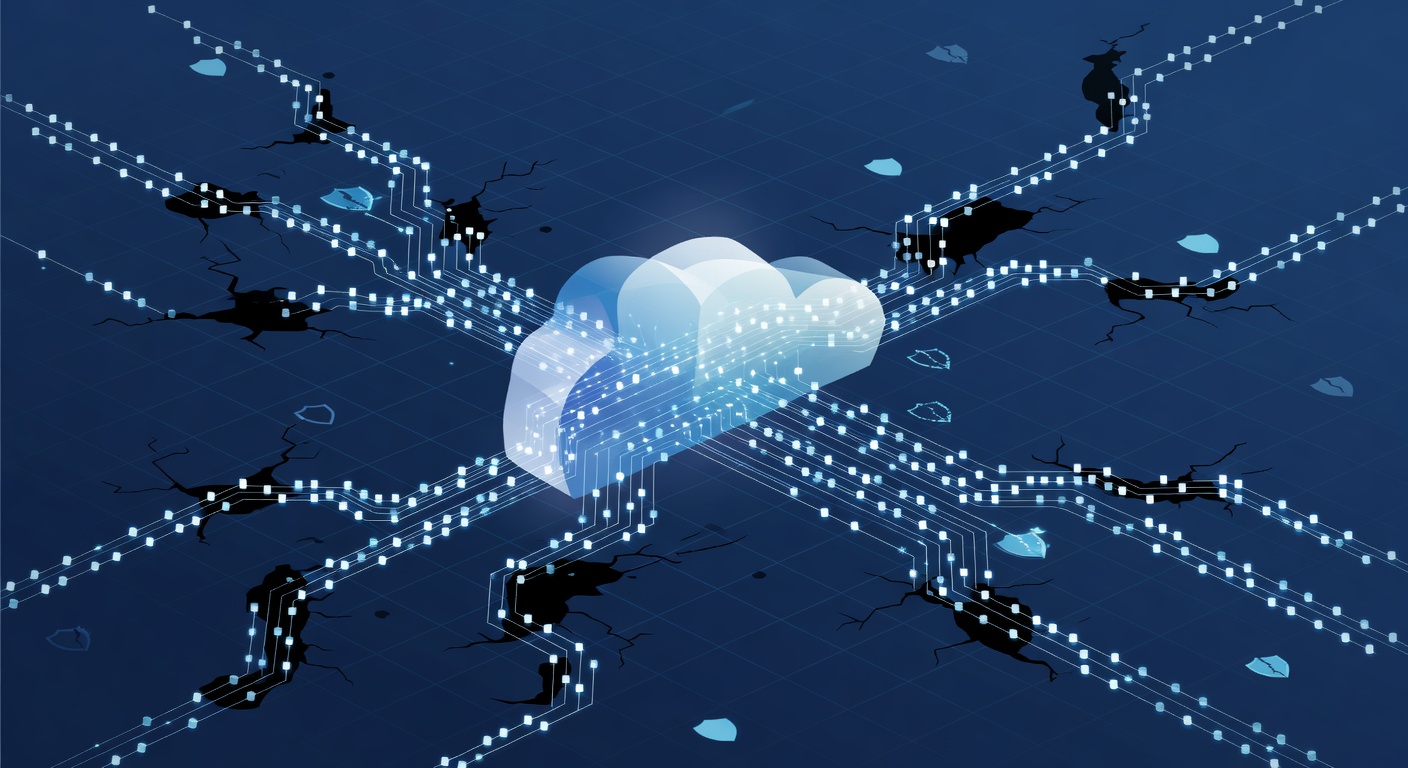
A felhőalapú rendszered sebezhetőbb, mint gondolnád – és íme, miért
Képzeld el, hogy bezártad a lakás ajtaját, de közben minden ablak nyitva maradt. Pont ilyen a legtöbb felhőalapú környezet ma.
A hamis biztonságérzet csapdája
Sokan azt hiszik, a felhőszolgáltató mindent megtesz a biztonságért. Az AWS és az Azure remek rendszerek. De óriási különbség van aközött, amit a cégek gondolnak, hogy véd, és ami tényleg védett.
A szolgáltatók adnak eszközöket, beállítási lehetőségeket, sőt dokumentációt is. De nem jönnek el helyetted konfigurálni. Ez a te feladatod.
Az alapvető védelmek csak vázlatosak. Távol tartják a kezdő hackerokat. De a profik? Ők pont az ilyesmi félkész rendszereket keresik.
Hol szakad meg a lánc?
Nem a platformok hibája, hogy gyengék – hanem az, hogy nincs bennük előre telepített fenyegetésfelismerő vagy erős virtuális tűzfal. Magadnak kell hozzáadni.
A legtöbben beállítják az alapokat, és késznek érzik magukat. Néhány napló, hozzáférés-korlátozás. De ez nem elég a kitartó támadók ellen.
Vegyük a leggyakoribb támadást: ellopott belépési kulcsok. Ha valaki megszerezi az AWS-kulcsaidat – ami naponta megtörténik –, mi áll közte és a teljes infrastruktúrád között? Ha nincs plusz réteg, csak a jelszavad. A jelszavak pedig meglepően könnyen feltörhetők.
A láthatatlanság problémája
A szokásos felhő tűzfalak csak a forrást és a célt látják a hálózati forgalomban. Ennyi.
A mai támadások azonban álcázzák magukat. Normálisnak tűnő forgalomba bújnak. Megbízható appokat használnak. Normál viselkedést utánoznak.
Nélküle mélyreható ellenőrzés – ami megnézi a csomagok belső tartalmát, és azonosítja a felhasználót, appot, adatfajtát – vakon vagy. Mint egy őr, aki látja, hogy valaki bement az épületbe, de nem tudja, mit művel bent.
Ezért kell a kontextus: melyik app, ki indította, milyen adat mozgott?
A sokeszközös káosz
Próbálkozz több biztonsági eszközzel betakargatni a lyukakat? Drága, bonyolult, és úgyis maradnak hézagok.
Szükséged van tűzfalra, kártevődetektorral, fenyegetésfigyelőre, mesterséges intelligenciás rendellenességkeresőre, URL-szűrőre. Öt külön dashboard, öt riasztásrendszer – és reménykedhetsz, hogy működnek együtt. Általában nem.
Sokkal jobb egy egységes megoldás, ami mindent összeköt: tűzfal, kártevők ellenőrzése, AI-alapú elemzés. Ezek kommunikálnak, megosztják az infót.
Így néz ki a valódi védelem ma
A mai fenyegetések ellen ezek kellenek:
1. Minden csomag mélyreható átvizsgálása
Nem elég az IP-cím és a port. Nézd meg a tartalmat, a kontextust. Mint a repülőtéri ellenőrzés: nem csak az igazolványt nézik, hanem a csomagot is kinyitják, átvizsgálják.
2. Mesterséges intelligencia, ami tanul
Az AI nem divat. Kötelező. Új fenyegetések naponta bukkannak fel. Emberi csapat nem bírja követni. De gépi tanulás, ami millió eseményt elemez, mintákat ismer fel? Az elkapja, amit a régi szabályok kihagynak.
Cloud-alapú, valós idejű frissítéssel a legjobb: a tűzfalad tudja a globális legfrissebb fenyegetéseket.
3. Hatékony kártevők ellenőrzése
A régi vírusokat aláírás alapján felismerik. De a fejlettek, ransomware, nulladik napi támadások? Normálisnak tűnnek.
Modern módszer: sandboxban futtatják a gyanús fájlokat, megnézik, mit csinálnak. Ha rossz, blokkolják – akár új variáns.
4. Okos URL-szűrés
Phishing-oldalak hemzsegnek. A jó szűrő 80%+ rossz URL-t blokkol, de a jókat átengedi.
Mi van, ha mégis betörnek?
Kérdezzünk rá: mi történik, ha kompromittálják a felhődet?
Alapvédelemmel és gyenge jelszóval katasztrófa: ügyféladatok ellopása, ransomware, támadók visszaélnek a rendszereddel, bírságok, reputációs veszteség.
Ez nem ijesztgetés. Ez a 2024-es valóság.
A valódi megoldás
Kell egy modern fenyegetésekre szabott infrastruktúra. Láthatóság, automatikus alkalmazkodás, korai támadáselkapás.
Ez azt jelenti:
- Virtuális tűzfal mély ellenőrzéssel
- AI-s fenyegetésfelismerés
- Beépített kártevők ellenőrzés és szűrés
- Valós idejű hírszerzés
- Teljes naplózás és átláthatóság
Drágább az alapnál? Igen. De egy támadás árához képest olcsó.
A lényeg
A felhőd biztonságosnak tűnik. Az AWS és Azure megbízható. De az "elég jó" már nem elég. A támadók túlnőttek az alapvédelemen.
Kellenek rétegek. Láthatóság. Valós idejű tanuló eszközök.
Óriási a különbség "felhőt használni" és "biztonságosan felhőt használni" között. Ez kerül milliókat évente.
Nem kérdés, hogy megéri-e a jobb védelem. Hanem hogy megengedheted-e magadnak nélküle.
Címkék: ['cloud security', 'aws security', 'azure security', 'virtual firewall', 'network security', 'cyber threats', 'threat detection', 'machine learning security', 'cloud protection', 'cybersecurity best practices']