Kihúzzák a gyűrűt rajtad, a csapat idegeskedik a technikai hibák miatt, az IT-problémák meg elrabolják azt az időt, amit inkább a cég növelésére fordítanál. Mi lenne, ha átadnád az összes fejfájást másnak, és csak arra koncentrálnál, amiben igazán jó vagy? Erre találták ki a managed IT-szolgáltatásokat.
Ne kockáztasd kisvállalkozásod az IT-szupport oroszrulettekkel!
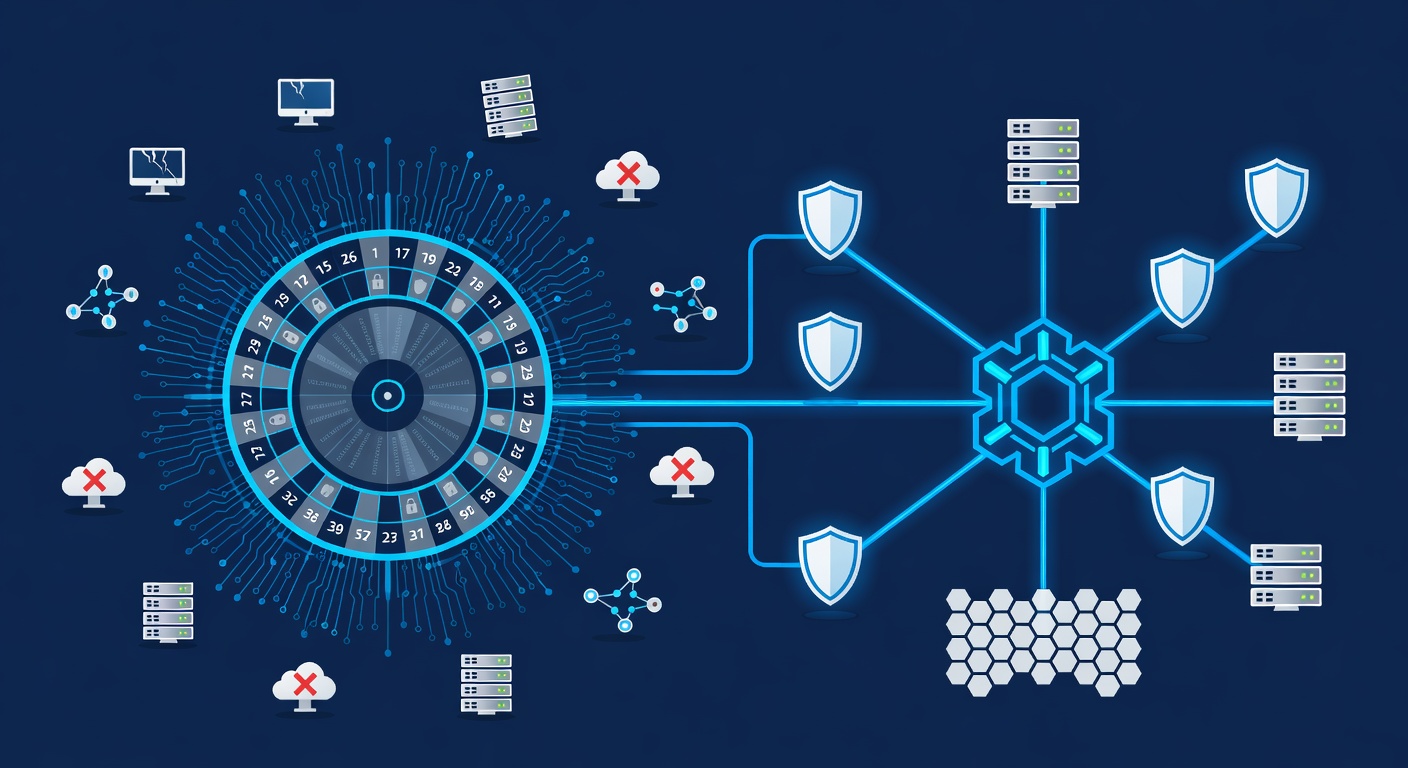
Miért ne játssz IT-szupport orosz ruletteket a kisvállalkozásoddal?
Őszinte leszek: a kisvállalkozók nem azért indítottak céget, hogy hálózati guru legyenek. Mégis te leszel az, akit mindenki hív, ha elromlik valami, ha lassú az internet, vagy ha valaki megint elfelejtette a jelszavát.
Értem, hogyan kezdődik. Van egy kolléga, aki ért a számítógépekhez, ő lesz a "saját IT-s". Aztán nő a csapat, jönnek az új gépek, programok – és máris időzített bomba ketyeg. Egy kibertámadás, egy ransomware, egy adatvesztés, és a növekedés helyett a túlélésért küzdesz.
Itt jönnek képbe a kezelt IT-szolgáltatások. Ha jól érted őket, teljesen megváltoztatják a játékot.
Mik azok a kezelt IT-szolgáltatások pontosan?
Képzeld el, mintha kibérelnéd egy szakember csapatát az egész IT-részlegedre. Egy MSP (Managed Services Provider) cég lesz a tech-támaszod. Ők intézik a rutint: hálózatfigyelés, mentések, biztonsági frissítések, helpdesk – így a csapatod dolgozhat, nem laptopjavítással vesztegeti az időt.
De figyelj: ez nem csak "segítségkérés". Az csak egy kis szelet a nagy tortából.
A három IT-szint (és miért fontosak)
1. szint: Tűzoltás
Reaktív: nem megy a nyomtató, lezuhant az email, új embernek kell gép. Ezek nélkül megáll a bolt.
De szerintem: ha csak ennyit kapsz, tüneteket kezelsz, a baj gyökerét nem. Mindig krízisben leszel.
2. szint: Adminisztráció
Itt lesz stratégiai. Szabályok, egységes tech-használat, biztonsági protokollok, iparági normák szerinti védelem.
Kis cégek kihagyják, és megfizetik. Káosz jön: tiltott felhők, gyenge jelszavak, nincs mentés, auditnál pánik.
3. szint: Irányítás
Ha megvan az alap, itt a tech versenytárs-előny lesz. Optimalizálsz folyamatokat, hatékonyságot növelsz, adatokból growthöt találsz.
A tech ekkor nem költség, hanem befektetés.
Valós sztori: miért kell ez neked?
Képzeld el a "Dunai Tanácsadó" céget. Nőnek, ügyfelek jönnek, szuper. De az IT ötéves lemaradásban.
Gépek lassúak, net szakadozik, állandó újraindítás. Ügyféladatok szanaszét laptopokon, védtelen felhőkben.
Túlzó? Ismertek ilyeneket, akiket feltörtek, mielőtt észrevették. Egy tanácsadó cég elvesztett egy nagy ügyfelet egy megelőzhető adatbotrány miatt.
Amikor MSP-t hívtak: nem csak javítottak. Stratégiát építettek. Egységesítették az adatkezelést. Figyelést állítottak be, bajokat előre elcsíptek. Képzést adtak.
Hat hónap alatt zuhant a leállás, a csapat ügyfelekre fókuszált, nem tech-harcra.
Miért létfontosságú a növekedésedhez?
Egyszerű: sérült IT-n nem skálázol. Minél nagyobb vagy, annál többet kell bírnia a technek – ha nem kezelt, annál jobban fáj.
MSP nem költség, hanem biztosítás. Szabadság. CTO a csapatban, nem a "computeros unokatestvér".
Ráadásul skáláz veled: több segítség kell? Megvan. Változik a tech? Alkalmazkodnak. Nincs toborzás, edzés – ismert partner bővül.
Mit tegyél most?
Ha komolyan gondolod a stabil növekedést, így sorrendben:
Első: Zárd le az alap támogatást. Állítsd meg a napi tüzeket. Gépek működjenek, emberek dolgozzanak.
Második: Építsd fel az adminisztrációt. Szabályok, mentések, biztonság. Unalmas, de alap.
Harmadik: Gondolkodj stratégiában. Krízis nélkül használd a tech-et üzletfejlesztésre.
Ha felcseréled, bukás. Ha egyedül próbálkozol, kiégsz.
A lényeg
A kezelt IT azért van, mert a tech-et jól vinni szakértelmet kell – amit te nem is akarsz megtanulni. Azok a cégek nyernek, akik MSP-t partnerként veszik, nem költségcsökkentőként.
A versenyképességed nem a hálózatjavításban van, hanem abban, mit érsz el egy jól működővel. Ne próbáld egyedül. Add át a szakembereknek, és koncentrálj a saját erősségeidre.
Címkék: ['managed it services', 'small business technology', 'msp', 'it support', 'cybersecurity', 'business efficiency', 'it management']