A legtöbb cég menő biztonsági kütyükön pörög, de itt az kényelmetlen igazság: a legnagyobb lyukad a saját asztalodnál ül. Megbontjuk, miért kell összefognia az embereknek, folyamatoknak és technológiának – különben omlik a védelmünk.
A kibervédelmed olyan erős, mint a leggyengébb láncszeme – és ez biztos nem az, amire gondolsz
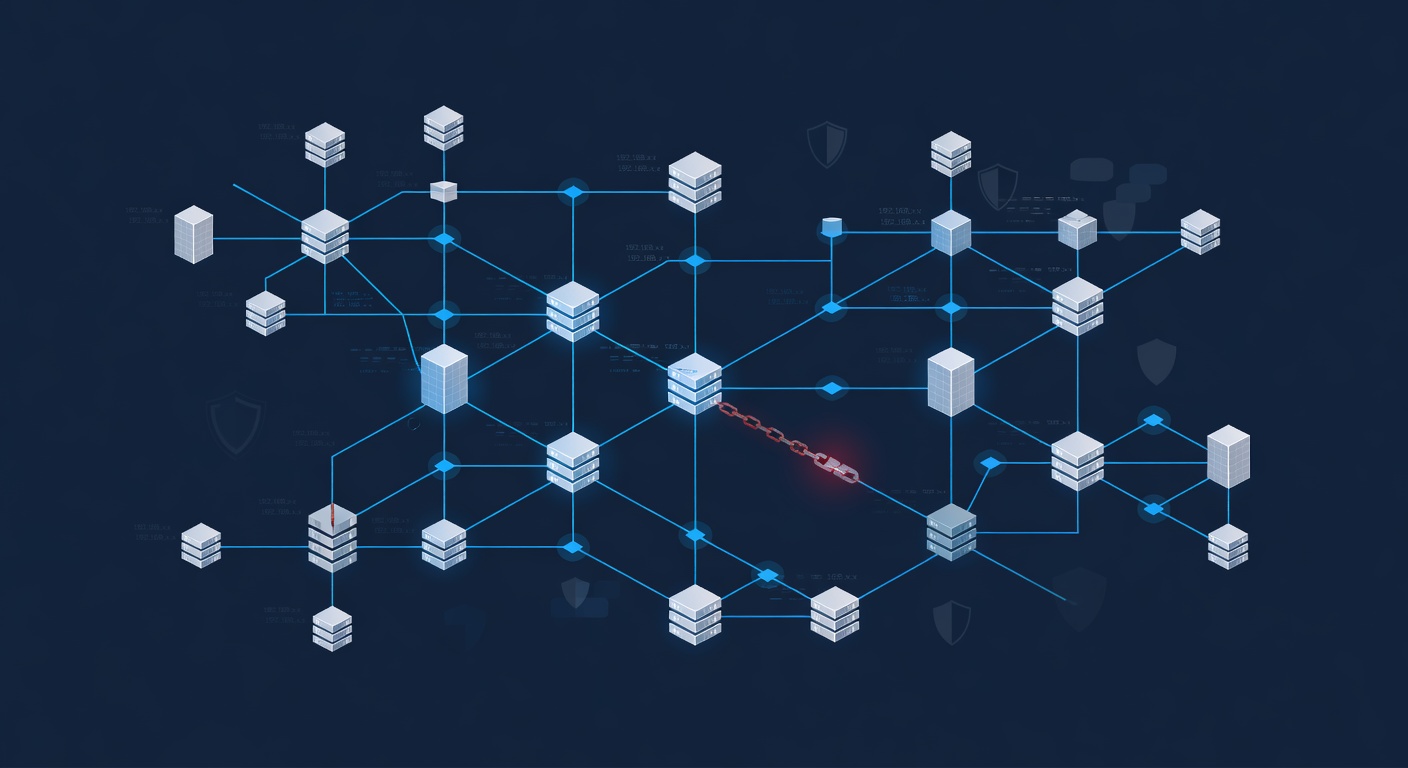
Miért olyan erős a kiberbiztonságod, mint a leggyengébb láncszemed? (És ez nem a tűzfalad)
Régen azt hittem, elég a legjobb tűzfal meg a legújabb szoftverek. Foltozgattam a réseket, építettem erődítményt. Később rájöttem: ez csak a történet harmada.
Évekig tanulmányoztam, hogyan támadják meg a cégeket. A tanulság? A drága kütyük semmit sem érnek képzett emberek és megbízható folyamatok nélkül.
Három oszlop, amit mindenki figyelmen kívül hagy (pedig nélkülük nincs biztonság)
Képzeld el: veszel egy százezer eurós riasztót a házra. De a kulcsot a szőnyeg alá teszed, az ablakot meg nyitva hagyod. Minek az egész?
Ez a People-Process-Technology modell lényege. Nem buzzword, hanem igazi tervrajz.
Emberek: A legfontosabb réteg (és a leginkább elhanyagolt)
Ami miatt én sem alszom nyugodtan: a dolgozók a hackerek kedvenc kapuja. Nem ostobaságuk miatt, hanem mert emberek.
Az IT-seid nem lehetnek csak papíron oklevelesek. Valódi szakértők kellenek, akik ismerik a cég rendszereit. Folyamatos képzés, gyakorlati tudás, fenyegetések követése – ez kell.
Ha profik, ők az első védvonal. Meglátják a furcsa hálózati forgalmat. Lefogják a gyanús emaileket. Ismerik a rendszert, gyorsan reagálnak bajra.
Folyamatok: A láthatatlan gerinc
Unalmas a dokumentált útmutató? Pedig nélkülük összezavarodnak a legjobbak is.
A biztonság nem rögtönzés. Kell incidenskezelési terv, rendszeres ellenőrzés, beszállítói protokollok, adatvédelmi szabályok.
Ha minden le van írva és begyakorolva, gyorsak a döntések. Támadáskor nem vitatkoznak – tudják, mit kell tenni.
Technológia: Amiről mindenki dumálna szeretne
Persze, a eszközök számítanak. Jól beállítva, frissítve sok támadást automatikusan megállítanak.
De a technika csak addig jó, amennyire az emberek és folyamatok mögötte állnak. Kiváló eszköz képzetlen kézben olyan, mint profi fényképezőgép vaklicenc nélküli kezében. Homályos lesz a kép.
Hogyan működik ez együtt?
Tegyük fel, érkezik egy gyanús email.
- Technológia jelzi a veszélyt, karanténba teszi.
- Folyamat megmondja: jelentsd, ne kattints ismeretlen linkre.
- Emberek kivizsgálják, része-e nagyobb akciónak, és lépnek.
Három együtt? Akkor állítod meg a betörést. Ha bármelyik hiányzik, szakadás van. Nagy.
Mi a vége, ha elszúrod?
Egy támadás drága: milliók helyreállításra, elvesztett bizalom, bírságok, álmatlan éjszakák. Olcsóbb: képzett csapat, leírt folyamatok, megfelelő eszközök.
Aki mindhármat egyformán építi, ritkán bukik meg. Nem rakétatudomány, csak munka.
Mit jelent ez a cégednek?
Stratégiát építesz? Ne csak tech-vásárlásként lásd, hanem teljes rendszerként.
- Emberek: Az IT-seid igazi szakemberek, vagy csak oklevelesek? Képzik őket a saját eszközeiteken?
- Folyamatok: Van írásos terv mindennapi helyzetekre, vagy improvizálnak?
- Technológia: A cuccaid passzolnak a céghez, vagy csak másokét vettétek meg?
Mindháromra válaszolj őszintén.
A lényeg
A kiberbiztonságod olyan erős, mint a leggyengébb részed – és az ritkán a tűzfal. Képzett emberek, sziklaszilárd folyamatok, megfelelő technika együtt.
Jó hír: ezt te irányítod most. Kezdj vele, ne várd a versenytársaidat.
Címkék: ['cybersecurity', 'data protection', 'network security', 'it training', 'business continuity', 'cyber threats', 'incident response']