A legtöbb cég fuldoklik a jelszavak tengerében, és ez óriási biztonsági rémálmot okoz. Az egységes bejelentkezés (SSO) nem holmi tech-sleng – ez választja el a biztonságos irodát a feltört hálózattól. Lássuk, mit tudnia kell minden vállalkozónak, ha védi a rendszert anélkül, hogy az alkalmazottak az őrületbe kerülnének.
A cége jelszóválsága sokkal súlyosabb, mint gondolja – Így orvosolja!
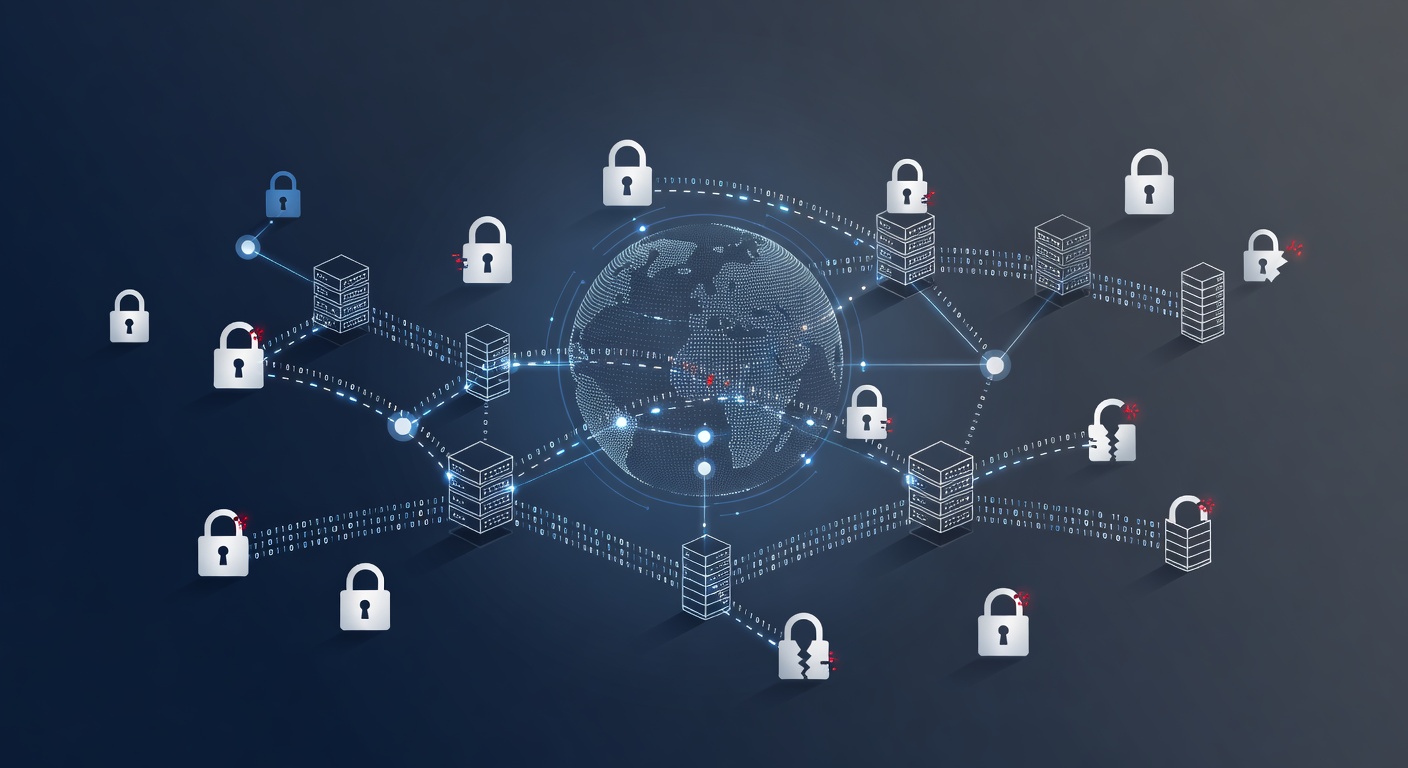
A Jelszókar Végítéknap Igazi – És a Te Cégedben is Közeleg
Képzeld el: kolléganod, Anna hétfő reggel leül dolgozni. Be kell lépnie az e-mailbe, a feladatkezelőbe, a tervezőprogramba, az ügyfélportálra és a költségelszámoló rendszerbe. Öt jelszó. A céges szabályok szerint mindet 90 naponta cserélni kell, legalább 14 karakteresek legyenek, két számmal és speciális знаком, ráadásul semmilyen korábbit ne ismételjen.
Péntekre Anna már kettőt elfelejtett.
Következő hónapra post-it cetlire firkálja mindet a monitor mellé.
Ez a helyzet a legtöbb kis- és középvállalatnál. És valljuk be: katasztrófa vár ránk.
A Régi Jelszókezelés Összeomlik
A távmunka mindent felforgatott. A csapat már nem egy irodában gyűlik össze, ahol figyeled, ki mit nyit meg. Most otthonról, kávézóból, repülőtérről dolgoznak – konyhaasztalról is. Ráadásul sokkal több appot használnak: csevegőket, együttműködő platformokat, felhőstárolót, elemző eszközöket, sorolhatnánk.
Minden app egy plusz jelszó.
Minden jelszó egy gyenge láncszem a védelmedben.
A "mindenki találjon ki erős jelszót és jegyezze meg" módszer szépen hangzik papíron. A valóságban? Az emberek újrahasznosítják őket, kiszámítható variációkat gyártanak, vagy bizonytalan helyre firkálják. A kutatók szerint a hálózatok legnagyobb hibája nem a szoftver, hanem az emberi természet.
Itt a Megoldás: Egyszeri Belépés (SSO)
Az Egyszeri Belépés (SSO) csendes forradalom. (Igen, egy vállalati biztonsági kütyüről beszélek lelkesen.)
Így működik egyszerűen: a dolgozó egyszer lép be egy központi rendszerbe erős jelszóval. Ennyi. Nincs több memóriaprobléma, nincs cetli, nincs folyamatos "elfelejtettem" e-mail az IT-nek.
Egyetlen belépéssel minden jóváhagyott app elérhető. Mint egy univerzális kulcs a sok apró helyett.
A lényeg a biztonságban van: erősebb védelmet kapsz, miközben mindenki boldogabb.
- Központi irányítás. Az IT egyetlen helyen kezeli a jogosultságokat, azonnal változtat.
- Erős jelszavak. Csak egyet kell megjegyezni, így az tényleg jó lesz és védett.
- Láthatóság. Látod, ki, mikor, honnan lép be.
- Kisebb belső kockázat. Ha valaki elmegy, egy fiókkal mindent lekapcsolsz.
- Egységes szabályok. Kétfaktoros ellenőrzés? Jelszócserénél riasztás? Biztonságos hálózat csak? Egy helyen beállítod, mindenhol él.
Miért Sürgős Most?
Légy őszinte: a kibertámadások nem gyengülnek. Sokkal ravaszabbak. Nem csak durva erőt használnak, hanem phishinget, hitelesítőfeltöltést, pszichológiai trükköket.
A NIST már feladta a régi jelszavszabályokat. Hosszabb jelszó jobb, mint bonyolult. Gyakori csere pedig ront a helyzeten, mert gyengéket találnak ki.
Az SSO pont erre jó: modern védelmet ad anélkül, hogy megőrülnél.
Plusz: Pénzt Spórol
Az SSO nem csak biztonságos, hanem olcsóbbá tesz mindent.
Az IT kevesebbet babrál jelszó-visszaállítással. A helpdesk jegyek 20-40%-a ilyen – ez óriási teher.
Kevesebb különálló rendszer: kevesebb karbantartás, foltozás, aggódás. Ha egy beszállító feltörve, kisebb a kár, mert nincs egyedi jelszó ott.
Hogyan Válts Át?
Ha most gondolkodsz: "kell ez nekünk", megnyugtatlak, nem ördöngösség.
A legtöbb SSO illeszkedik a meglévő rendszerekhez. Microsoft 365-ön? Már benne van. Más platformok? Okta, Azure AD – szinte mindent kezelnek.
Lépések:
- Válassz szolgáltatót (a használt cuccok alapján).
- Csatold az appokat (IT-d megcsinálja).
- Állítsd be a szabályokat (pl. kétfaktoros).
- Oktasd a csapatot (csak: "innen lépj be").
- Figyeld és javítsd a bevezetést.
Nem nulla munka, de simán megéri.
Összefoglalva
A jelszóhelyzeted rosszabb, mint gondolnád. Csapat kiég, IT fárad, gyenge jelszavak robbanni készülnek.
Az SSO nem csodaszer – tűzfalak, titkosítás, mentések kellenek mellé. De ez a legnagyobb lépés kis ráfordítással.
Mindegyik boldog: kevesebb fejfájás, kevesebb ticket, erősebb védelem. Érdemes ránézni.
Címkék: ['network security', 'single sign-on', 'sso', 'business security', 'password management', 'remote work security', 'it infrastructure', 'cybersecurity best practices']