Az IT-támogató partnered olyan legyen, mint egy megbízható szövetséges, ne pedig az a szolgáltató, akitől irtózol felhívni. Ha folyton frusztrált vagy, meglepetésszámlák jönnek, és úgy érzed, mindig csak oltod a tüzeket a problémák megelőzése helyett, ideje átgondolni, ki kezeli a hálózatbiztonságodat és az infrastruktúrát.
IT-támogatás csődje: Ezek a vészjelzések ne maradjanak figyelmen kívül!
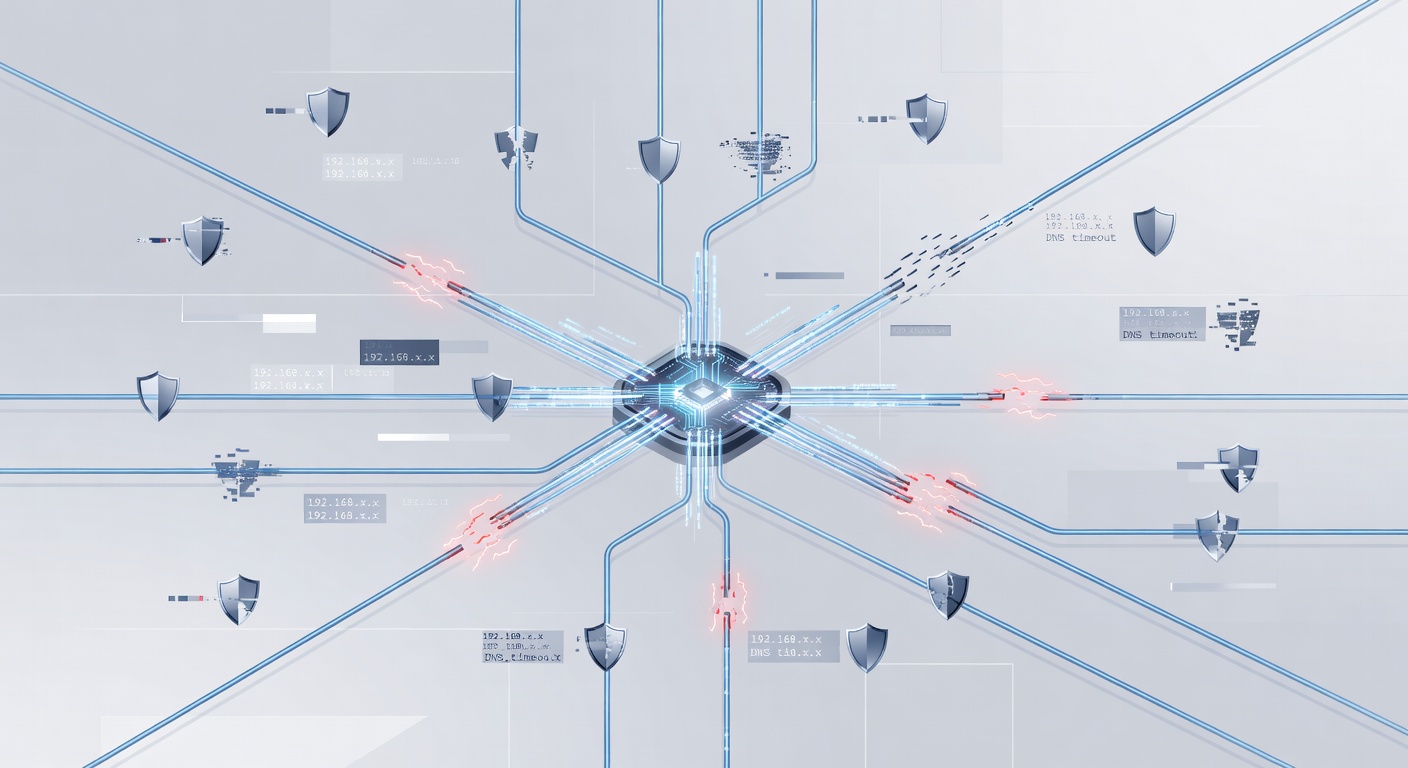
Amikor az IT-támogatás cserbenhagy: Vészjelzések, amiket ne bagatellizálj el
Őszinte leszek: jó IT-támogatást találni olyan, mint megbízható szerelőt keresni. Valakit, aki megelőzi a bajt, nem csak oltja a tüzet utólag.
Ma egy cég IT-rendszere az életvonala. Ügyféladatok, pénzügyek – minden rajta múlik. Ha a támogatás gyenge, az nem csak a gépeket érinti: a bevétel zuhan, a csapat megáll, az ügyfelek bizalma meginog.
Nézzük a figyelmeztető jeleket, amik azt üzenik: ideje lépni.
A cég híre bűzlik
A weboldalon mutogatott vélemények? Kiválogatottak, persze. Senki sem tesz ki dühös ügyfelet.
Áss mélyebbre! Nézd meg a Google-értékeléseket, Facebookot, üzleti fórumokat. Keresd a mintákat: ha többen panaszkodnak, hogy "nem érhetőek el" vagy "a hibák örökre megmaradnak", az komoly jel.
Figyeld, hogyan reagálnak a negatívumokra. Megoldást keresnek, vagy sértődnek meg? Egy jó cég bevallja a hibát, és javít.
Tipp: Ha már ügyfél vagy, keress rá magad. A saját frusztrációidat olvasni mások szavaival igazán elgondolkodtató.
Vásárlói megbánás full extrában
Ígértek 24/7 elérhetőséget, megelőző ellenőrzést, felhőbiztonságot. De a valóság? Nehezen elérhetők, lassúak, és csak foltozgatnak.
Ráadásul tervezetlen leállások jönnek, mert senki sem figyelt előre.
Ez nem átmeneti gond: ez túlzott ígéret, gyenge teljesítés. Ha hónapok óta ez megy, ne tűrd tovább. A céged megérdemli a megelőzést, ne csak a kárelhárítást.
A hívás pokoli kínzás
Kritikus hiba: szerverek kidőltek, percenként pénzt veszítesz.
Felhívod őket – és várhatsz örökké. Végre valaki felveszi, de szkriptet olvas, mint '95-ben. Nem tud segíteni, visszahívás? Álom.
Vagy jegyet írsz sürgősen, és három nap múlva reagálnak.
Ez nem szolgáltatás, ez kínzás. Egy igazi partner pánikol, ha te pánikolsz. Van dedikált kapcsolattartód, gyors válaszidő, és ismerik a rendszeredet – nem kell mindent elmagyaráznod egy idegennek.
Tranzakció, nem partnerség
Óriási különbség egy egyszeri javító és egy hosszú távú szövetséges között.
Egy profi IT-szolgáltató:
- Megismeri a cégedet, céljaidat, gondjait
- Jelentkezik, mielőtt baj van, javaslatokkal
- Frissít fenyegetésekről, új trendekről
- A jövőre gondol, nem csak a jelenre
- Fix emberekkel dolgozik veled, nem randomokkal
Ha csak tűzoltáskor hallasz róluk, és sosem tudod, kit kapsz, az kimerítő "megjavítjuk, ha eltörik" viszony. Nem ez kell.
A számlák rejtélyes regényei
A legidegesítőbb: váratlan költségek. Azt hitted, tudod, mire fizetsz, aztán jön a meglepi valamiért, amit nem kértél.
Miért? Rosszul elmagyarázott szerződés, igényfelmérés nélkül árazás, apróságokért külön számlázás, nincs átláthatóság.
Jó szolgáltató leül veled, átbeszéli az igényeket, fix havi árat ad, és tartja. Tudnod kell pontosan, miért fizetsz.
Ha összezavarodsz a számláktól, az bizalmatlanság jele. IT-ben ez halálos hiba.
Nincs átláthatóság, nincs bizalom
Átláthatóság nélkül nincs szerződés.
Minden világos legyen:
- Mi tartozik bele, mi nem
- Válaszidők hibatípusonként
- Hétvégi ügyelet
- Biztonsági lépések
- Adatkezelés, titoktartás
- Korlátok
Ha homályosak, vagy vonakodnak magyarázni, fuss. Ők őrzik a céged titkait – tudnod kell, hogyan.
Jó cégek büszkék az egyértelműségre, szívesen válaszolnak.
Hiányzik a kulcs: megelőzés és biztonság
A jó és a kiváló IT között a különbség: várni a bajra, vagy megelőzni.
Ők:
- 24/7 figyelik a hálózatot
- Automatikusan frissítik a rendszereket
- Rendszeresen tesztelik a biztonságot
- Ellenőrzik a mentéseket, hogy működjenek
- Tudatják a legújabb veszélyeket
Ha csak törés után jönnek, kudarcot vallottak. A hálózatod egészsége az ő feladatuk.
Váltani kell?
Nem könnyű IT-céget cserélni: átállás, betanítás, zűr.
De ragaszkodni a gyengéhez hosszútávon drágább káosz. Ha ezek a jelek ismerősek, nézz körül.
A céged biztonsága, megbízhatósága túl fontos mediokrus támogatáshoz. Egy igazi partner magabiztosságot ad, nem frusztrációt.
Címkék: ['it support', 'managed services', 'cybersecurity', 'business technology', 'network security', 'red flags', 'vendor management', 'it infrastructure']