The Interlock Ransomware Threat: Why Your Defense Strategy Might Not Be Enough

The Interlock Ransomware Threat: Why Your Defense Strategy Might Not Be Enough

A new ransomware variant called Interlock emerged in late 2024 and it's playing by a different rulebook—using fake software updates, compromised websites, and clever social engineering to slip past traditional defenses. If you're relying on just one or two security layers, this threat should worry you. Here's what you need to know to actually stay protected.

Ransomware Evolution: When Attackers Get Creative

Let me be honest—the cybersecurity landscape feels like a game of cat and mouse that the mice are winning more often lately. Just when security teams think they've patched all the obvious holes, something like Interlock shows up and reminds us that attackers are constantly innovating.

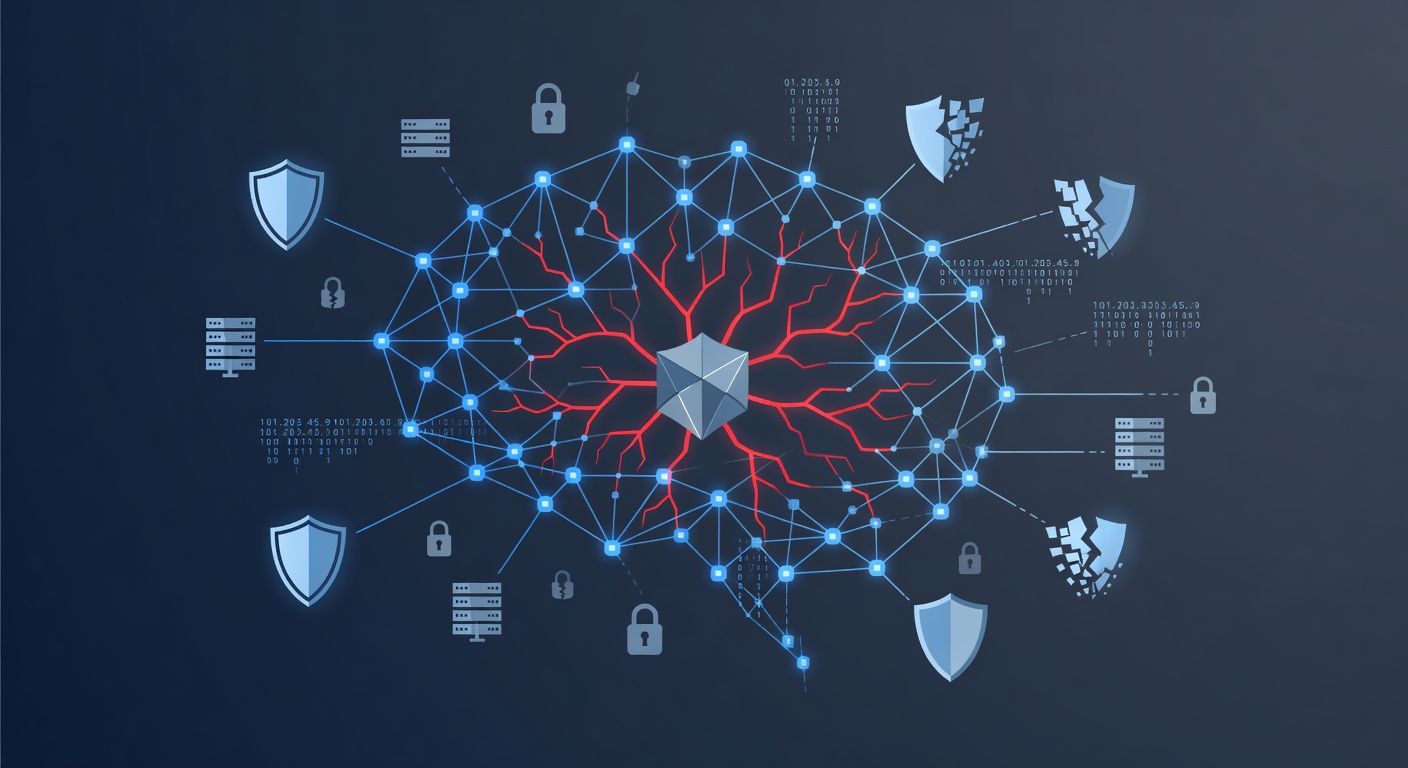
Interlock ransomware hit the scene in late 2024, and it's not your typical "encrypt everything and demand money" operation. This threat takes a more sophisticated approach by combining multiple attack vectors into one messy package. The attackers aren't just trying to lock you out of your data—they're also stealing it first, using what's called double-extortion tactics. Translation: they'll encrypt your files AND threaten to publish your sensitive data if you don't pay up. It's extortion on top of extortion.

How Interlock Actually Gets Into Your System

Here's what makes Interlock particularly sneaky. The attackers aren't relying on zero-day exploits or advanced technical wizardry alone. Instead, they're exploiting the one vulnerability that's hardest to patch: human nature.

Fake Software Updates are their favorite trick. Imagine getting a notification that Google Chrome needs an urgent security patch. You click to update, thinking you're protecting yourself. But surprise—you've just installed a backdoor. The attackers are literally using our trust in legitimate software against us.

Compromised websites are another delivery mechanism. They infiltrate seemingly trustworthy sites and host these malicious updates there. It's like poisoning the well—the water source looks clean, but it's not.

Then there's ClickFix social engineering, which is genuinely clever. The attacker's website displays a fake error message (maybe pretending to be Chrome, Facebook, or even reCAPTCHA verification). The message pressures you to click or execute a command to "fix" the problem. Once you do, the malware is in.

What Happens Once You're Infected

This is where it gets really concerning. Once Interlock gets a foothold in your system, it doesn't just sit there. It's aggressive and methodical.

The malware deploys tools like Remote Access Trojans (RATs) that give attackers the ability to navigate through your network like they own the place. They steal credentials and use them to move sideways through your systems, often targeting the domain controller—essentially the master key to your entire network.

Before they even start encrypting anything, they're stealing your most valuable data. Sometimes they're moving files to cloud storage, making sure they have leverage before they lock you down. And if you're running Windows, they'll clear the event logs and self-delete to cover their tracks. They're not just criminals; they're careful criminals.

What really caught my attention: Interlock targets both Windows and FreeBSD systems. It's cross-platform, which means even if you've diversified your infrastructure thinking you'd be safer, this threat can still reach you.

The Reality Check: Single-Layer Defense Doesn't Cut It Anymore

I think a lot of organizations make the same mistake. They implement one or two security measures and assume they're covered. Maybe they've got antivirus. Maybe they're doing regular backups. Maybe they're enforcing password policies.

Here's the problem: Interlock (and threats like it) exploit the gaps between your security layers.

A truly effective defense strategy needs depth. Think of it like a castle with multiple walls, guards, and backup systems. If one fails, you've got others ready.

This means:

Regular Software Updates aren't optional anymore—they're essential. Vulnerabilities exist in every piece of software. The longer you wait to patch, the longer attackers have to exploit those holes.

Multi-Factor Authentication (MFA) stops attackers cold when they've stolen passwords. Even if they have your credentials, they can't log in without the second factor. This is non-negotiable in 2025.

Server Hardening means continuously monitoring your infrastructure for unauthorized changes. You need visibility into what's running on your systems and who's accessing them.

Immutable Backups are your insurance policy. If you can't delete or modify your backups, even if ransomware gets in, you can recover without paying the ransom. And let's be clear—paying ransoms funds these operations, so not paying is also the right thing to do.

Here's Where Most Organizations Fall Short

Reading the news about ransomware is one thing. Actually implementing comprehensive defense is another. The problem is that manual monitoring and response can't keep pace with automated attacks.

By the time a human analyst notices something suspicious, an attacker has already moved laterally through your network, stolen files, and started encryption. Speed matters when you're dealing with modern threats.

This is why Managed Detection and Response (MDR) has become less of a luxury and more of a necessity. MDR services combine AI-powered monitoring with expert human analysts who understand what they're looking at. It's the difference between having a security camera (which only records) and having security guards who actively watch and respond.

What Real-Time Defense Actually Looks Like

An effective MDR service does four critical things:

Continuous monitoring means nothing slips through the cracks. Every piece of network traffic, every user activity, every system change is being watched. When Interlock tries to move laterally or modify admin files, the system catches it immediately.

Human expertise is irreplaceable. Sophisticated attacks need sophisticated responses. A team of experienced security analysts can distinguish between normal network behavior and something genuinely dangerous. They understand the attacker's playbook and can predict what's coming next.

Contextual intelligence means the system understands relationships between threats and vulnerabilities. It's not just "alert: suspicious file detected." It's "alert: suspicious file detected, user account compromised, and domain controller access was attempted." That context allows for precise, targeted response.

Speed of response is what separates successful defense from disaster. With AI-enhanced detection and pre-authorized response protocols, threats can be isolated and contained in minutes rather than hours or days.

The Uncomfortable Truth About Ransomware in 2025

Organizations can no longer assume they won't be targeted. Ransomware attacks have become industrialized. There are entire criminal organizations with infrastructure, support teams, and business models built around extortion. They're not going away.

What's changed is that the defenders now have tools available that weren't possible even five years ago. Automation, machine learning, and collaborative threat intelligence mean that organizations of all sizes can implement enterprise-grade security.

The question isn't whether you can afford advanced defense. It's whether you can afford not to have it.

What You Should Do Right Now

First, assess your current defenses honestly. Do you have visibility into everything happening on your network? If you can't answer that with confidence, you have a gap.

Second, implement the foundational security measures if you haven't already: update your software, enable MFA everywhere, create immutable backups, and monitor your servers continuously.

Third, seriously evaluate whether you need an MDR service. If you don't have a 24/7 security operations center (and most organizations don't), you almost certainly do.

Finally, remember that security isn't about being paranoid. It's about being realistic about the threat landscape and taking proportional action. Interlock and its variants prove that attackers are getting more sophisticated. Your defense needs to evolve at the same pace.

The good news? You're not powerless. You just need the right strategy and tools. The attackers are counting on you to be unprepared. Don't give them that advantage.

Tags: ['ransomware', 'cybersecurity', 'managed detection and response', 'interlock malware', 'network security', 'double extortion', 'data protection', 'threat prevention', 'mdr services', 'business security']