Die meisten Firmen glauben, Cybersicherheit drehe sich nur um abgesicherte Server und Cloud-Speicher. Aber Hacker interessieren sich nicht für euren IT-Plan – sie jagen schwache Web-Apps, unsichere Nutzergewohnheiten und die Spezialsoftware, auf die euer Team täglich angewiesen ist. Deshalb kann eine gründliche Sicherheitsanalyse den Unterschied machen: zwischen ruhigem Schlaf und einem Datenleck, das euch aus heiterem Himmel trifft.
Warum Sicherheitslücken in Ihrem Unternehmen weit über die Server hinausgehen
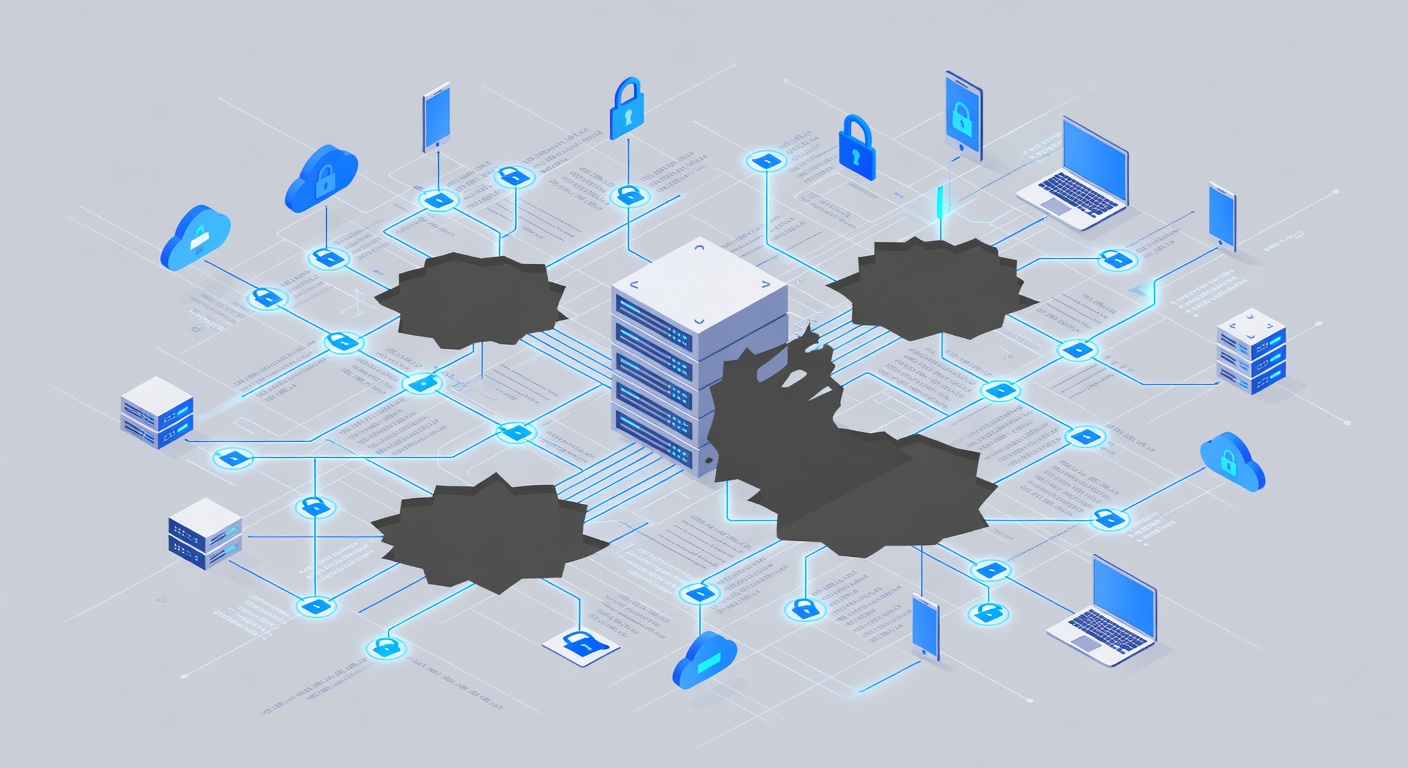
Die Täuschung der "sicheren" IT
Viele Firmenleiter schwärmen mir von ihrer "top Cybersecurity" vor. Bei Nachfragen kommen Firewalls, Backups und Antivirenprogramme zum Vorschein. Solide Maßnahmen, klar. Aber das ist, als würde man die Haustür abschließen und das Dachfenster offen lassen.
Die harte Wahrheit: Die meisten Sicherheitschecks prüfen nur das Offensichtliche. Echte Risiken lauern in den Apps, die euer Team täglich nutzt, in undokumentierten Abläufen und in Nischen-Software, die euer Business am Laufen hält – aber sonst niemand kennt.
Warum Standard-Checks danebenliegen
Traditionelle IT-Audits gucken nur auf Server und Cloud-Speicher. Das schützt Daten im Ruhezustand. Aber Hacker greifen heute Datenströme und Nutzer an.
Nehmt eure Web-Apps: Jedes Portal für Mitarbeiter, Kunden oder Dashboards ist ein Einfallstor. Eine Lücke dort öffnet alles. Und viele Firmen wissen nicht mal, welche Apps sie haben – geschweige denn, ob sie sicher sind.
Dazu kommt der Mensch. Marketing hängt am Tool, das direkt auf Kundendaten zugreift. Finanzabteilung nutzt Eigenbau-Software für Transaktionen. Operations schwören auf Vendor-Plattformen. Jede hat eigene Patches und Schwachstellen.
Euer Team ist der Schlüssel
Sicherheit hängt mehr von Menschen ab als von Tech. Die meisten Checks ignorieren das.
Wann hat zuletzt jemand eure Mitarbeiter nach echten Abläufen gefragt? Nicht nach Handbüchern, sondern nach dem, was wirklich läuft? Da gibt's Lücken: Passwörter in Excel, geteilte Logins, unsicheres WLAN für Fernzugriff.
Ein guter Check spricht mit den Leuten vor Ort und fragt:
- Welche Tools braucht ihr täglich?
- Wie regelt ihr Zugriffe?
- Wo umgeht ihr offizielle Systeme?
- Was würde euren Betrieb lahmlegen?
Solche Talks decken auf, was Scanner verpassen.
Eine Strategie, die hält
Wahre Assessments bauen auf Schichten auf:
- Vorbeugen: Bedrohungen stoppen (sichere Programmierung, Zugriffsregeln, Netzwerktrennung)
- Erkennen: Sofort Alarm (Überwachung, Logs, Detektoren)
- Beheben: Schnell reagieren (Notfallpläne, Wiederherstellung, Kontinuität)
So seid ihr nicht nur passiv, sondern widerstandsfähig.
Compliance ist kein Allheilmittel
Ein bestandener Audit macht euch nicht sicher. Aber Standards wie DSGVO oder HIPAA zwingen zum Risikodenken.
Nutzt sie als Startpunkt:
- Eure Branchen- und Länderregeln kartieren
- Alle Assets mit sensiblen Daten listen
- Lücken zu Vorgaben finden
- Bestehende Maßnahmen testen
Wichtig: Darüber hinausgehen. Die größten Risiken stecken in unklaren Zonen.
Vom Check zur Tat
Schlechte Berichte verstauben. Gute liefern Klarheit und priorisieren Risiken. Nicht alles fixen – nur die Killer bedrohen.
Vielleicht ist eure Web-App ohne starke Authentifizierung das Problem. Oder ungepatchte Spezialsoftware. Oder Datenflüsse ohne Kontrollen.
Dann: Quick Wins und Langfristplan.
Fazit
Sicherheit misst sich nicht am Budget für Hardware. Sondern am schwächsten Glied – das kann überall sitzen: in Apps, Software, Abläufen oder Datenwegen.
Ein echter Check checkt alles. Er hört zu, prüft Apps, passt Compliance an und liefert einen Plan für echte Risiken.
Keine Haken setzen. Sicher sein.
Tags: ['cybersecurity assessment', 'web application security', 'risk management', 'compliance frameworks', 'data protection', 'it security strategy', 'vulnerability assessment']