Vaše hesla jsou největší kořist pro hackery v celém vašem digitálním světě. A ti to dobře vědí. Používáte cloudové služby jako Microsoft 365 nebo Google Workspace bez slušné ochrany? Pak máte dveře dokořán. Pojďme se podívat, co se ve skutečnosti děje, a proč nestačí jen sledovat.
Vaše hesla jsou právě teď v ohrožení (a proč by vás to mělo zajímat)
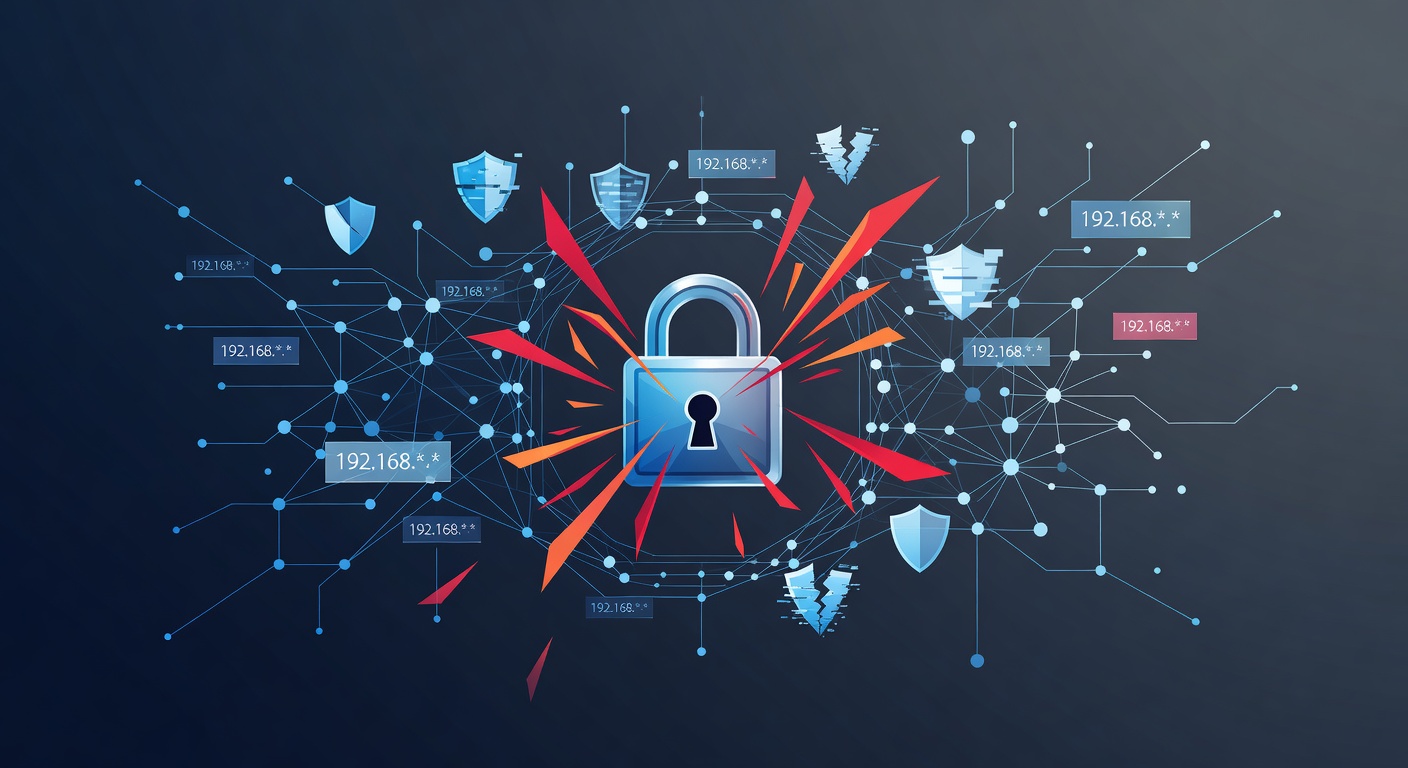
Nepříjemná pravda o vašich heslech
Představte si, že vaše heslo k účtu se prodává na dark webu za slušné peníze. Cyberzločinci už nemusí lámáním celých systémů. Stačí, aby jeden zaměstnanec klepl na podvodný odkaz. A najednou mají legální přístup ke všemu, co ten člověk vidí.
Útočník s vaším heslem nelezne okny. Prostě otevře dveře klíčem, který sedí. Systém to bere jako normálního uživatele. Bezpečnost vidí přihlášení z cizích IP, ale nic podezřelého.
Ochrana hesel je jiná než staré metody zabezpečení.
Problém s cloudem (je horší, než si myslíte)
Přechod do cloudu znamenal konec pevného obvodu. Dříve byl všechno za firemným firewallem. Teď se tým připojuje z kaváren, letišť, domova nebo dovolené. Microsoft 365, Google Workspace, Salesforce – všechno je na internetu, dostupné odkudkoli.
Útočníci to vědí. Útočí na cloud, protože je to jednodušší než korporátní sítě. Posílají vylákávky, falšují přihlašovací stránky nebo zkouší ukradená hesla všude.
Bez aktivního dohledu nad účty riskujete. Doufáte, že útočník rezignuje.
Jak vypadá skutečná ochrana
Ochrana hesel není jen nástroj na pozadí. Spojuje tři věci, které se málokdy setkají.
Nejdřív chování uživatelů. Normální lidé mají rutinu – přihlašují se v určitých časech, z známých míst, do známých app. Pokud se to změní, bliká alarm. Útočník se skrývá v systému, ale zanechává stopy.
Dále lidský úsudek. Automaty chytají vzorce, ale člověk spojí tečky. Zná kontext vaší firmy. Ví, co je tu normální.
A rychlost. Hrozba v noci? Musíte reagovat hned. Poškody vznikají během minut. Reálný monitoring s okamžitou reakcí zachrání situaci.
Automatizace, která to mění
Při podezřelém přihlášení musí systém okamžitě jednat. Izoluje účet, ukončí sezení, změní heslo. Bez čekání na schválení.
Ale člověk musí mít slovo – třeba "To je náš šéf z Singapuru na konferenci." Automatizace pro rychlost, dohled pro přesnost. Žádné falešné poplachy, žádné průlomy.
MFA je klíčové. Útočník s heslem uvízne. Ale pokud ho nemáte všude stejně – v jednom oddělení ano, v jiném ne – útočníci to využijí.
Co musíte udělat hned
Pokud to čtete, kontrolujte: Máte monitoring cloud přihlášení s automaty i lidmi? Kompromitovaná hesla často spí měsíce, než udeří.
Zkontrolujte:
- MFA všude, bez výjimek?
- 24/7 dohled nad podezřelými přihlášeními?
- Jak rychle reagujete na hrozbu?
- Automatická izolace účtu?
Pokud ne, mluvte s týmem.
Závěr
Hesla nejsou jen klíč. Jsou slabina. Útočníci je milují. Phishing nezastavíte, opakované heslo zabránit nedáte. Ale předpokládejte útok a buďte připraveni.
Firmy, které spí klidně, nejsou ty bez útoků. Jsou ty, co je odhalí hned a zastaví během minut. Rozdíl mezi incidentem a katastrofou.
Štítky: ['cloud security', 'credential protection', 'identity theft prevention', 'microsoft 365 security', 'multi-factor authentication', 'cybersecurity monitoring', 'cloud infrastructure security']