Rostoucí firmy často narazí na frustrující zeď: interní IT tým nestíhá tempo změn. Ale existuje střední cesta, o které většina firem nemá tušení. A právě ta by mohla rozhřát vaše tempo růstu.
Končete s osamělostí: Proč vaší firmě nestačí být ostrov a jak partnerství v tech přinese úspěch
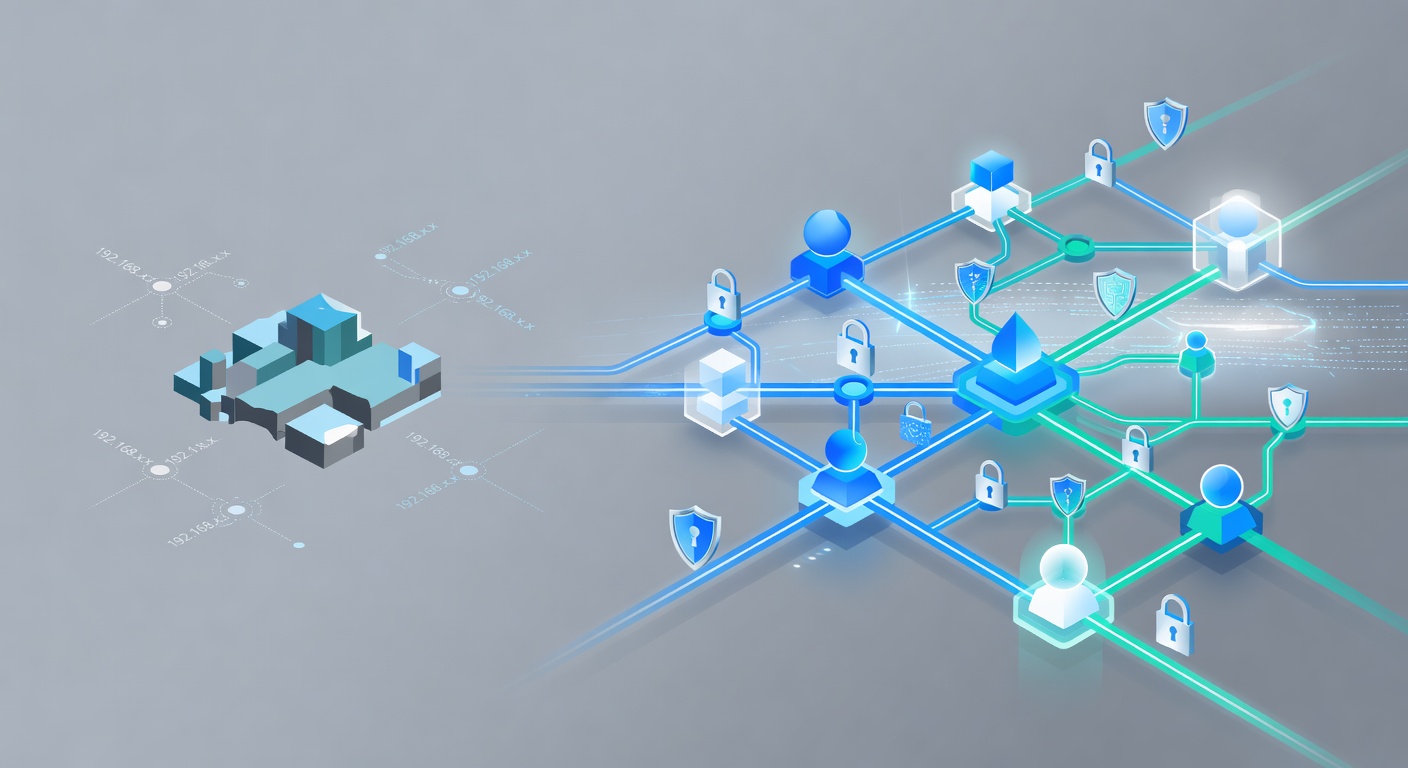
Proč by vaše firma měla přestat hrát sólo a spojit se s partnery v IT
Představte si to: firma jede dál, máte lidi, systémy. Každý týden ale něco selže. Bezpečnostní záplata se neaplikuje, přesun do cloudu se odkládá, nový AI nástroj nikdo nestihne otestovat. Nejste podpersonální, ale prostě nemáte dost sil na to, co opravdu potřebujete.
Tohle zná spousta rostoucích firem. Většina mlčí, doufá v nového zaměstnance nebo velkou IT přestavbu. Ale co když řeknu, že odpověď není v dalším najmutí nebo dělání všeho sami?
Ten nepříjemný prostor uprostřed
Vaše firma už není "IT nepotřebujeme", ale ještě ne "potřebujeme celé IT oddělení". Váš tým je chytrý, pilný, ale na hranici. Řeší denní provoz a zároveň se snaží držet krok s kyberbezpečností, cloudem nebo AI. Jako by měnili kola autu v plné rychlosti na dálnici.
Tradiční cesty jsou mizerné:
- Najmout víc IT lidí (draho, dlouho hledat talenty, a nepotřebujete je nonstop)
- Outsourcing všeho (ztratíte znalost vaší firmy)
- Kulháte dál (jistá cesta k problémům)
Čtvrtá cesta existuje a hodně firem ji přehlíží.
Co je to společné IT řízení
Společné IT znamená: váš tým zůstává a dělá, co umí nejlépe. Přidáte externí specialisty na to, co vám uniká. Jako když místního doktora podpoří špičkový konzultant.
Výhoda? Žádné buď/nebo. Zachováte vztahy a znalosti z firmy. Získáte nástroje a experty, které byste doma neutáhli.
Realita: automatizace mění IT. Konec manuálních záplat a hašení požárů. Moderní poskytovatelé (MSP) používají chytrou automatiku na rutinu. Váš tým se soustředí na strategii. Vše jede rychleji, bez propadů.
Proč to teď patří k nutnosti
V roce 2026 je tech složitý. Nejde jen o světla zapnutá – jde o konkurenceschopnost. Zákazníci chtějí plynulé systémy, zaměstnanci moderní nástroje, vedení připravenost na AI a bezpečnost.
To je málo pro malý nebo střední IT tým, i ten nejlepší.
Chytré firmy staví hybridní týmy. Drží interní znalosti, zaplňují díry externě. Není to kapitulace – je to šachy, ne dáma.
Automatizace jako klíčový tahoun
Společné IT není jen o lidech navíc. Jde o chytřejší nástroje.
Dnešní platformy zvládnou:
- Automatické záplaty po celé síti
- Optimalizaci cloudu podle vašich zvyklostí
- Sledování souladu před problémy
- AI detekci hrozeb v reálném čase
Váš tým dohlíží. Rutina jede sama. Zbývá čas na to, co posouvá firmu vpřed.
Otázky, které si teď položte
Zvažujete to? Tady jsou klíčové: Reaguje tým jen na krize, nebo plánuje dopředu? Pokud haší požáry, strategie trpí.
Jste na starých verzích? Cloud, bezpečnost, AI – pokud to není v plánu kvůli vytížení, je to signál.
Brzdí vás tech? Měla by urychlovat, ne kotvit. Pokud kotví, něco selhává.
Spí tým klidně u bezpečnosti? Kyberrizika jsou vážná. Bez dedikované pozornosti riskujete víc.
Skutečné vítězství
Vítězí firmy s chytrými partnery, ne největšími IT odděleními. Drží vztahy, znalosti, kulturu. Outsourcovali rutinu: 24/7 monitoring, záplaty, soulad.
Tým dělá lepší práci. Firma má bezpečnost a inovace. Bez platu za nevyužité IT.
To není ústup. To je strategie.
Jak začít
Resonuje to? Udělejte tohle:
Zjistěte, co selhává. Konkrétně: co se nedělá? Co trápí? Kde jsou díry?
Zeptejte se IT týmu. Mají nápady, kde se topí. Poslouchejte.
Hledejte MSP pro váš obor. Ne každá firma je stejná. Potřebujete někoho, kdo chápe vás.
Začněte pilotem. Nemusíte vše. Nechte externisty na bezpečnost nebo cloud. Vyzkoušejte.
Cíl? Ne nahradit tým. Posílit ho do nepřemožitelnosti.
Štítky: ['managed it services', 'co-managed it', 'msp', 'business technology', 'it outsourcing', 'cybersecurity', 'digital transformation', 'small business it', 'automation', 'technology strategy']