Už jste se zamýšleli, co vlastně znamená to „SOC 2 compliant“, když ho backupové firmy hází do marketingu? Rozkládáme, proč to není jen korporátní žargon – je to bezpečnostní deka pro vaše data. Tady je, co musíte vědět, než svěříte zálohy komukoli.
Proč SOC 2 certifikace u tvého backupu opravdu stojí za to (a co to znamená)
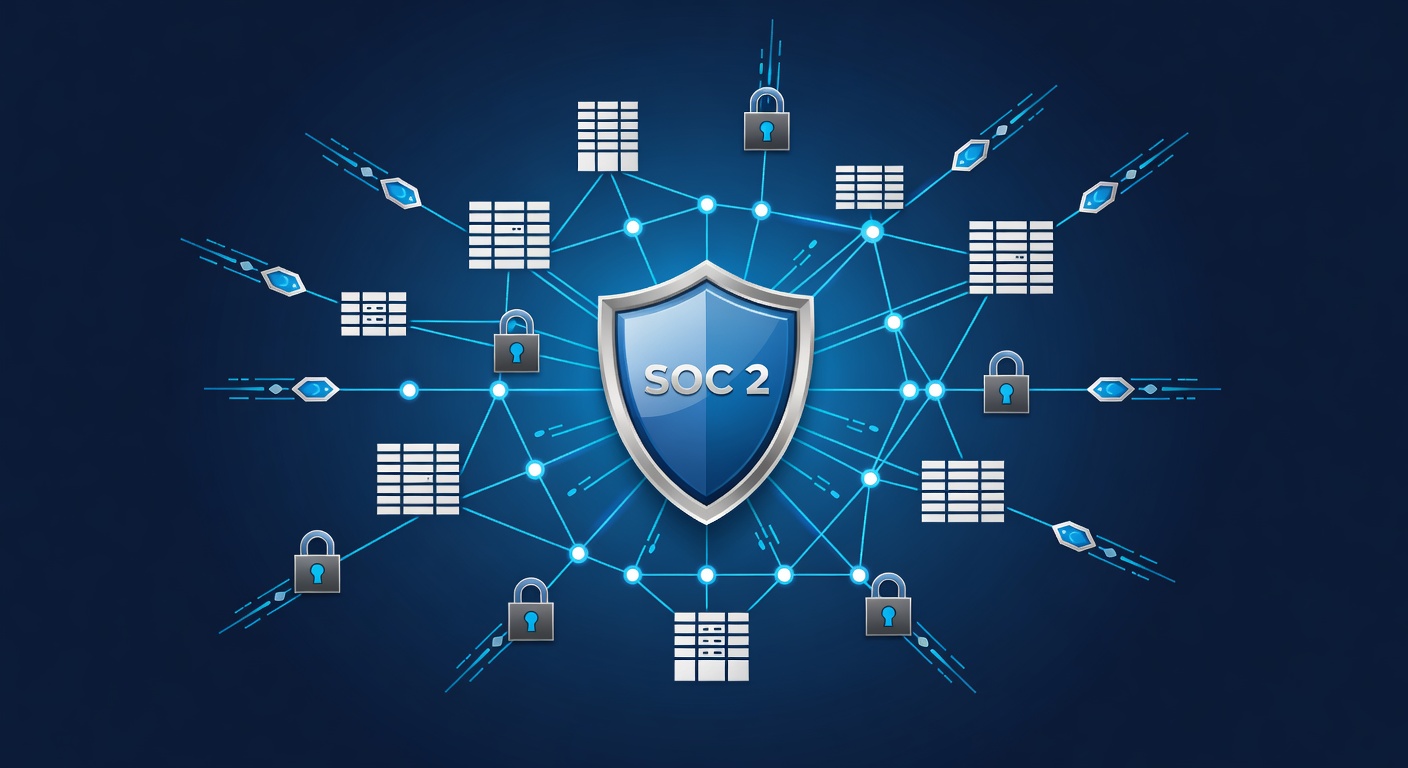
Proč certifikace SOC 2 u tvého backup providera opravdu stojí za to (a co to znamená)
Při výběru služby pro zálohování dat se nechceš topit v zkratce jako SOC 2 Type II, Type I nebo ISO 27001. Všechno se to míchá, ne?
Ale pozor – tohle má smysl. Nejde o suché papíry. Tvoje data jsou zlato firmy. Ztratíš je nebo je někdo ukradne, čeká tě výpadek, ztráta důvěry zákazníků nebo soud. Provider, který bezpečnost bere vážně, je nutnost.
Co je to SOC 2 vůbec?
SOC 2 znamená Service Organization Control 2. Zní to nudně, ale v praxi to říká: "Nechali jsme si prohlédnout celou firmu nezávislými auditori. Bezpečnost bereme napříč."
Klíčové je "Type II". Rozdíl je jasný:
- Type I = Okamžitý pohled. Jako foto čistého domu v jednom okamžiku.
- Type II = Kontrola po šest měsíců. Inspektor chodí pravidelně, ověřuje, že bezpečnost drží dlouhodobě.
Type II dokazuje, že firma nejen umí, ale opravdu dělá bezpečnost denně. Dobří providři to dávají auditovat každý rok nezávisle. Nejen mluví – dokazují to expertům.
Co SOC 2 kontroluje?
Audit se soustředí na pět pilířů:
- Bezpečnost – Systémy chrání před hackery?
- Dostupnost – Zálohy jsou tam, když je potřebuješ? Žádné výpadky?
- Integrita zpracování – Data jdou dovnitř i ven správně?
- Důvěrnost – Citlivé info zůstane jen tvé?
- Soukromí – Dodržuješ GDPR nebo HIPAA?
Pro zálohování to znamená: Odolá útokům? Obnoví data po katastrofě? Neuvidí je jiný zákazník? Auditor prohlédne vše – tech, pravidla, přístupy zaměstnanců, fyzickou ochranu, šifrování, plány obnovy.
Proč to pomůže tvé firmě
SOC 2 není jen papír. Ukazuje, že provider:
Bezpečnost má v DNA
Nejen šifrování na serveru. Bezpečnost je všude – v přenosu dat, ukládání, přístupech. Vše monitorované.
Má odpovědnost
Roční audity od třetí strany bijí interní kontroly. Jako známka od sudce, ne od sebe sama. Drží standardy nonstop.
Sleduje hrozby předem
Používají nástroje na neustálé sledování. Zachytí problém dřív, než udeří. Prevence, ne hasení.
Je otevřený
Dobrovolně se nechávají kontrolovat. "Podívejte se." To je důvěra, kterou chceš u partnera pro data.
Reálný profit: Klid v duši
SOC 2 Type II ti dává:
- Důkaz testů od expertů
- Prokázané fungování v praxi dlouhodobě
- Neustálé zlepšování kvůli auditům
- Výhodu u zákazníků nebo úřadů
Pokud máš citlivá data – a kdo ne? – tohle je minimum, ne luxus.
Na co si dát bacha
Ne všichni providři jsou stejní. Hledej:
- Požádej o report SOC 2. Dobří ho dají (s NDA). Pokud se vyhýbají, varování.
- Zkontroluj datum auditu. Starý o tři roky? Zapomeň. Roční je standard.
- Podívej se na rozsah. Musí pokrýt zálohy a obnovu.
- Tázej se na obnovu po katastrofě. SOC 2 to zahrnuje – chtěj testované postupy.
Závěr
SOC 2 Type II není dokonalé. Ale je to silný signál: Provider investoval do bezpečnosti, má kontroly a nechá se kontrolovat.
Data jsou pod útokem. Jeden průsak může firmu položit. Tohle ověření stojí za to.
Při výběru se nehlíž jen na cenu nebo funkce. Ptej se na SOC 2. Požádej report. Pokud se kroutí, zvaž: Svěřil bys jim své nejcennější?
Tvůj budoucí já ti poděkuje.
Štítky: ['soc 2 compliance', 'backup security', 'data protection standards', 'msp security', 'enterprise backup', 'compliance framework', 'cybersecurity', 'disaster recovery']