Passwords are dying, and frankly, it's about time. A new technology called passkeys is making logging in faster, safer, and way less frustrating. Here's what you need to know about the passwordless future that's already happening.
Passkeys Are Quietly Replacing Passwords—And Honestly, We're Not Mad About It
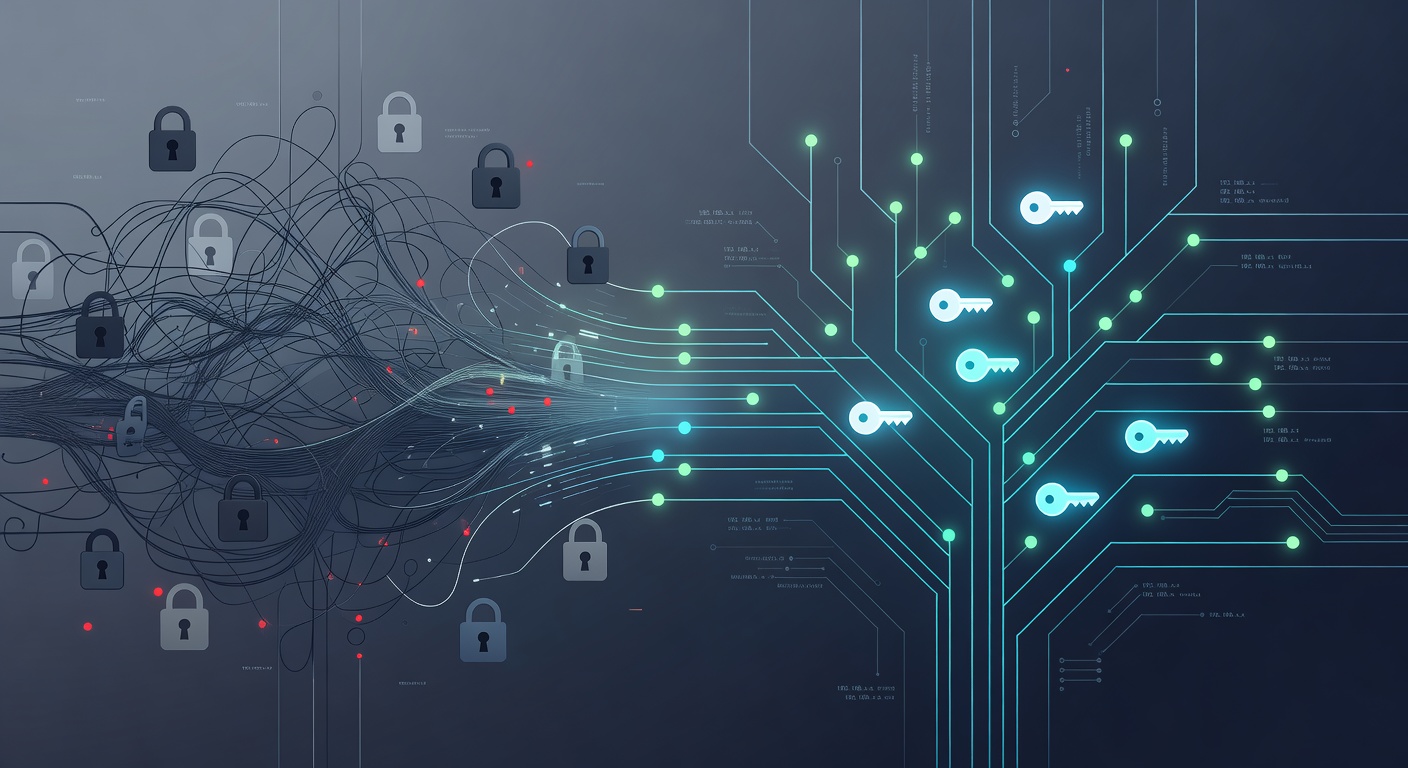
Passkeys Are Quietly Replacing Passwords—And Honestly, We're Not Mad About It
Let's be real: passwords are terrible. I know I'm not alone in this feeling. How many times have you created a "secure" password only to forget it three days later? Or worse, you've used the same password across five different sites because remembering 47 different combinations of capital letters, numbers, and symbols is literally impossible?
The password as we know it is aging terribly. It's like trying to secure your house with a lock design from 1974—technically functional, but definitely not cutting it anymore. The good news? Something genuinely better is already here, and it's called a passkey. And I genuinely think this is one of those rare tech developments that actually lives up to the hype.
What Even Is a Passkey?
Okay, so imagine if instead of remembering a password, your device did all the work for you. That's essentially what passkeys do.
Here's the simple version: when you set up a passkey on a website, your phone or computer generates two special digital keys—think of them as a matched pair of cryptographic locks. One key (the public key) stays on the website's server. The other one (the private key) stays locked inside your device forever. It never travels anywhere.
When you want to log in, the website sends a little digital challenge to your device. Your device uses that private key to respond, saying "Yep, it's really me." Meanwhile, the website uses the public key to verify that response. Your device asks you to confirm it's you with your fingerprint, face scan, or PIN—boom, you're in. The whole thing takes seconds.
The magic part? Your biometric data (your fingerprint or face) never gets sent to any server. It stays locked on your device. Only you can unlock your passkeys.
Why This Actually Makes You Safer
I know cybersecurity can feel overwhelming, but this is genuinely important. There are billions of compromised username-and-password combinations floating around on the dark web right now. It's kind of horrifying when you think about it.
Passkeys completely change this equation because:
They're breach-proof (mostly). If a hacker breaks into a website's database and steals all the public keys stored there, they've basically stolen nothing useful. A public key by itself is like having someone's front door—without the matching private key inside your device, it's worthless. You can't use it to log in anywhere.
They laugh at phishing attacks. You know those convincing fake login pages that trick you into typing your password? Your passkey won't even work on them. A passkey only responds to the exact website it was registered with. It's like having a key that literally refuses to work on any door except the right one. You can't accidentally give it away, no matter how clever the fake website looks.
They require physical possession of your device. Even if someone steals your phone, they still can't use your passkeys without your fingerprint or face. Your biometric data stays on your device—nowhere else. It's legitimately private.
The Ecosystem Is Actually Working Together
Here's something that surprised me: the big tech companies are actually collaborating on this. Passkeys are built on an open standard called WebAuthn, backed by the FIDO Alliance (which includes Google, Apple, Microsoft, and a bunch of security-focused companies).
This is huge because it means a passkey created on your iPhone can work on your Windows laptop. You're not locked into one ecosystem. The infrastructure is genuinely designed to work across different devices and platforms. That's pretty rare in tech.
But Are We There Yet?
Real talk: we're not at the finish line, but we can see it from here.
Some security experts think passkeys will become the dominant login method by 2027. That's pretty wild considering we've had passwords for over 50 years. But dominance doesn't mean everything switches overnight. Passwords will probably stick around for a while, especially for less tech-savvy users or legacy systems.
That said, the momentum is real. When Microsoft made passkeys the default for new accounts in May 2025, passkey authentications jumped by 120%. That's not a coincidence—people actually like this once they try it. And with more than a third of people experiencing a compromised account because of password vulnerabilities each year, there's real pressure to move faster.
My prediction? Most of us will be living in a mostly passwordless world within 5-10 years. That might sound dramatic, but think about it—we've already made huge shifts in how we authenticate online before. This is just the next logical step.
Should You Actually Use Them?
Yes. Absolutely yes.
If a website or app offers you the option to set up a passkey, do it. Seriously. The experience is faster than typing a password, it's more secure, and once you use one, you'll realize how annoying passwords always were. You'll actually wonder why we didn't do this sooner.
The Bottom Line
The password's reign is ending, and honestly, it's one of the few times where the technology getting better also means things getting easier for you. Passkeys are faster, stronger, and way less stressful than managing dozens of passwords.
The future of logging in isn't some distant sci-fi concept—it's already in your pocket. And it doesn't require you to remember a single thing.
Tags: ['passkeys', 'passwordless authentication', 'cybersecurity', 'biometric authentication', 'online privacy', 'webauthn', 'fido alliance', 'password security']