Никога ли не сте се чудили какво става зад кулисите, когато предадете техниката си на услуга за управление на инвентар? Процесът е много по-сериозен, отколкото си мислите. От строги мерки за сигурност до прецизно проследяване – всичко е наредено така, че оборудването ви да е защитено и винаги под контрол.
Как всъщност работи управлението на устройствата ти (и защо е по-важно, отколкото си мислиш)
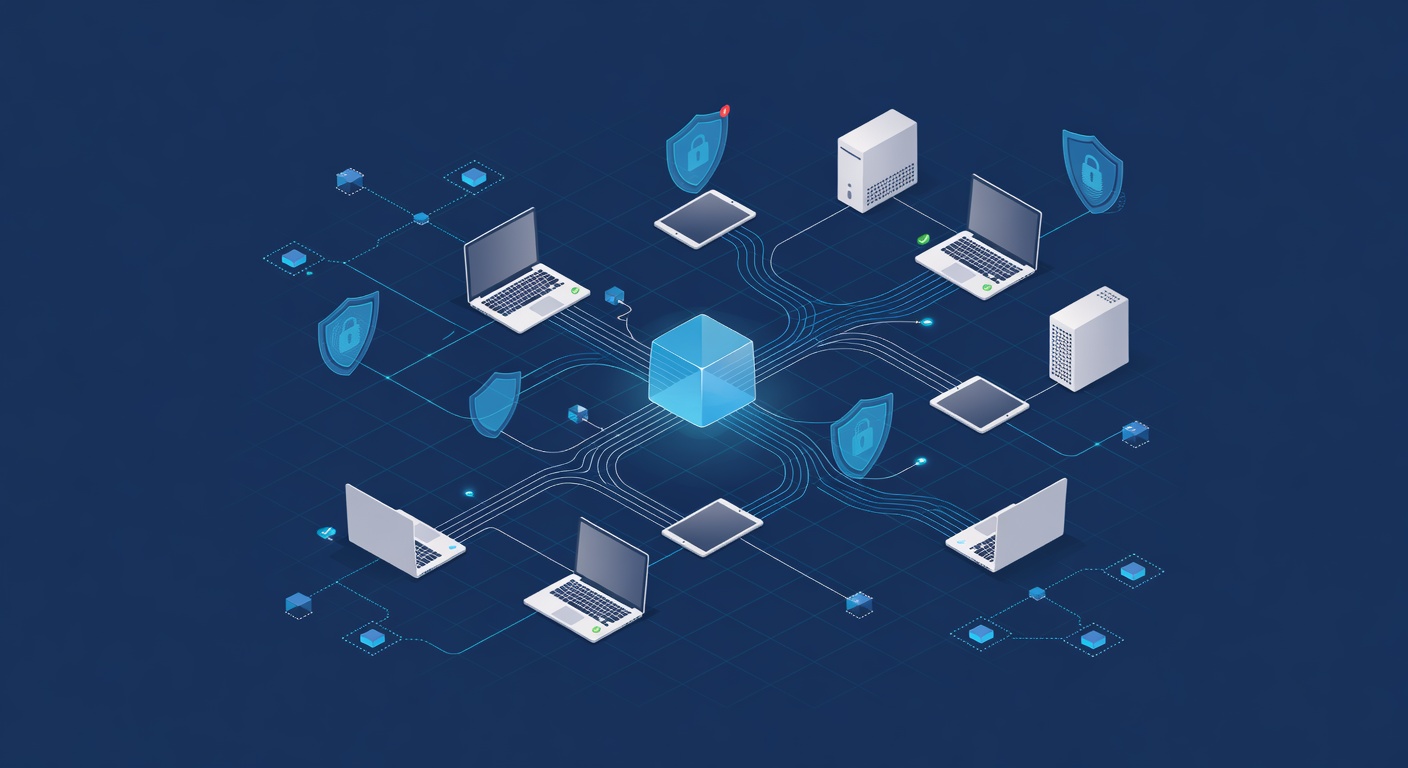
Как наистина работи управлението на инвентар на устройства (и защо е по-важно, отколкото си мислиш)
Честно казано, повечето хора не се сетят за инвентар до момента, когато нещо изчезне. Лаптопът се губи, сървърът е някъде, а скъпото мрежово оборудване – кой знае къде. Тогава започват истинските проблеми.
Но ето какво: доброто управление на инвентар е като ваксина за твоите техниките. Спестява пари, избягва катастрофи и е много по-леко от търсенето в паника.
Първата стъпка: Твоят собствен цифров дом
Когато се запишеш за професионална услуга за инвентар, първото нещо е ключово – ти получаваш специално място само за твоите устройства. Представи си го като защитен сейф, но с климатик, камери и рафтове на място.
Няма споделяне с чуждото. Всичко е в отделна зона в сигурен склад. Защо е важно? Защото редът започва още от началото. Нищо не се трупа в обща купчина.
Проверката: Където се лови качеството
Тук много хора подценяват професионалистите. Устройствата не се просто струпват и записват в Excel. Има реална инспекция.
Ето как изглежда пълна проверка:
Всяко устройство минава през:
Визуален оглед – Записват какво виждат. Дали има драскотини? Включва ли се? Ако е б/у – отбелязват. Ако е ново в кутия – същото.
Тест за работа – Задължително. Проверяват дали стартира. Ако е дефектно, звънят ти веднага. Да го изхвърлим? Да го рециклираме? Ти решаваш, но знаеш рано.
Уникален код – Всеки получава билет и се записва сервизният номер. Това е основата за всичко следващо. Без него – чиста лотария.
Аксесоарите – Захранващ кабел, USB, кутия? Всичко се документира. По-късно ще си благодарен.
Системата за ред: Всичко на място
След инспекцията започва магията. Нищо не се губи в тъмнина. Всяко устройство отива на точен рафт.
Конкретни позиции: рафт, локация, място. След три месеца не търсиш "някъде". Взимаш "Рафт 4, Лейба 2, Позиция 3". Спестява часове.
Защо е толкова важно (освен да намираш нещата)
Може да звучи прекалено за малко устройства. Но помисли за растеж:
Съответствие с правилата – В здравеопазването, банките, държавата искат доказателства. Къде е устройството? В какво състояние?
Без излишни покупки – Фирми купуват дубли, защото са забравили. Това се избягва и плаща услугата.
Готовност за работа – Искаш да го използваш? Всичко е документирано – номера, състояние, добавки.
Защита от проблеми – Ако нещо се случи, имаш следа. Кой го е проверил? Кога? Какво е било?
Заключение
Онбордингът в управлението на инвентар не е просто бумагия. Всеки етап е от години опит с хиляди устройства.
Проверката хваща белята рано. Проследяването намира всичко. Документите носят отговорност. Заедно превръщат хаоса в система.
Ако досега разчиташ на таблици, памет и догадки – опитай структуриран подход. Ще спестяваш време и пари.
Защото след като опознаеш реда, хаосът вече не е вариант.
Тагове: ['inventory management', 'asset tracking', 'device management', 'it operations', 'enterprise security', 'data center management']