غالباً تشوف إن فريقك ما بيتبع الإجراءات بنفس الطريقة مرتين. كل واحد يفهم التعليمات بطريقته، والأخطاء تتسرب من الشقوق، وتدريب الأعضاء الجدد يحس زي البداية من الصفر كل مرة. في طريقة أحسن—وبدئها بفهم ليش التوحيد مهم لأعمالك.
لماذا تنهار تدفقات عمل شركتك؟ (وكيف تصلحها بسرعة)
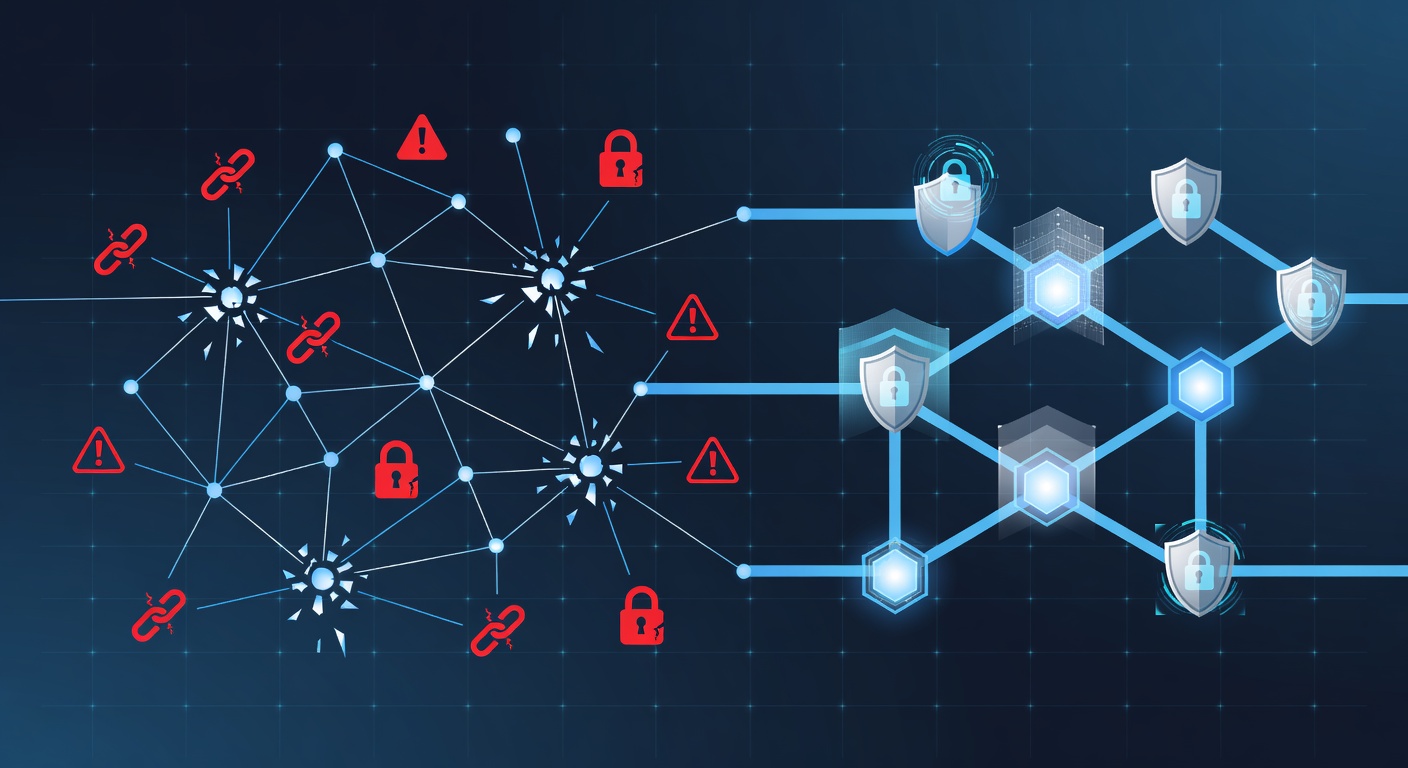
ليه عمليات شركتك دايماً بتفشل؟ (وإزاي تصلحها)
يا صديقي، متى آخر مرة فريقك نفذ مشروع بنفس الطريقة بالضبط؟
لو صادق، أكيد ما حصلش كده. ده السبب الرئيسي في معظم المشاكل التشغيلية في الشركات اللي بتنمو. الناس بتشتغل لوحدها، كل واحد بيفهم الإجراءات بطريقته، وبتتراكم ديون تقنية محدش عايز يتعامل معاها بعدين.
تكلفة الفوضى اللي بنسميها "مرونة"
لما مفيش إجراءات موحدة، بتحصل كارثة مقنعة كـ"حرية عمل".
واحد بيعملها كده، التاني بيعملها كده. ممكن الاتنين ينجحوا أحياناً. بس لما حاجة تتعطل، مفيش حد مسؤول واضح. تدريب حد جديد؟ قوله "تعلم وأنت ماشي". ونقل مشروع بين الأعضاء؟ المعلومات المهمة بتضيع.
شفت ده في شركات كبيرة وصغيرة. صاحب الشركة بيقول "إحنا مرنين"، لكن الحقيقة إعادة شغل، توتر، وخدمة غير متسقة للعملاء. ده مكلف جداً.
ازاي تبني نظام يستمر معاك
الحل مش في شد الحزام على الفريق. الحل في جعل الإجراء الصحيح سهل جداً كل مرة.
فكر في الطيارين. بيستخدموا قوائم تحقق لكل حاجة، رغم إنهم محترفين. ليه؟ عشان التوحيد بيخفف الضغط عن الذاكرة، وبيكشف الأخطاء قبل ما تكبر.
شركتك محتاجة نفس الشيء.
قوائم التحقق اللي بتنجح فعلاً
القوائم المخصصة قوية بشكل مخادع. لما تكتب خطوات عملك بالتفصيل، بتخلي المعرفة مرئية.
بدل ما الإجراءات في راس حد أو إيميلات قديمة، حطها في مكان مركزي متاح للكل. لو احتاجت تحديث، غيرها مرة واحدة وخلاص.
القوائم دي بتنمو مع الشركة. مش شغل زيادة، ده وضوح. كل خانة تخلص تدفع المشروع لقدام، والكل يشوف اللي خلص واللي باقي.
الشفافية تغير كل حاجة
تأثير الرؤية النفسي مهم جداً ومحدش بيقدره.
لما الفريق يعرف إن التقدم متابع في اللحظة، السلوك يتغير. مش رعب، لكن نهاية الشك. محدش بيعيد شغل أو يدوس على رجل التاني. الكل يتقدم بثقة.
للمديرين؟ مفيش تخمين. تشوف اللي بيحصل دلوقتي، مش بعد ما يخلص.
نقل المهام بدون صداع
أكبر مصدر إهدار في الشركات هو نقل المهام بين الأعضاء.
اللي خلص جزءه، التاني ياخده، وفجأة شغل زيادة ٣٠٪ عشان المعلومات مش وصلت. مع الإجراءات الموحدة والمتابعة، الجديد يدخل فوراً بدون شرح ساعات.
النظام هو المعلم. القائمة تقول الخطوات، والمتابعة تبين اللي خلص. مفيش طيران عشوائي.
تأثيرها على ربحيتك
خلينا نتكلم فلوس.
مع التوحيد والشفافية:
- عملاءك يحصلوا على خدمة متسقة. مهما اللي يتعامل معاهم.
- الفريق يشتغل أكتر ويشرح أقل. إنتاجية حقيقية.
- الجدد ينتجوا بسرعة. مش من كلام عادي، من وثائق.
- تقدر تقيس الكفاءة. تشوف العوائق الحقيقية.
- الأخطاء تقل. النظام يكشفها.
ابدأ نظامك دلوقتي
عايز تعملها؟ ابدأ بعملية واحدة حرجة.
مش كل الشركة مرة واحدة. اختار اللي بتعمل مشاكل أكتر. اكتب خطواتها. اعمل قائمة. خد رأي الفريق. حسّنها من الاستخدام الفعلي.
كده كل واحدة تالتة.
الشركات الناجحة بتنمو كده بدون جنون. مش بالإرادة، بالأنظمة اللي تحافظ على الجودة لوحدها.
اللي هيغير اللعبة
أهم فائدة مخفية؟ شركتك مش هتعتمد على حد واحد.
لما الإجراءات في الرؤوس، الناس تصير لا غنى عنها – خطير. لما موثقة، الناس يتغيروا أدوار بسهولة. إجازات بدون انهيار. تبني بزنس حقيقي مش مجموعة أفراد.
دورك إنت
منافسينك عندهم نفس الفوضى. ده خبر حلو لك. لو عملت التوحيد قبلاهم، هتاخد ميزة صعبة النسخ.
ابدأ واكتب. اعمل قوائم. تابع التقدم بوضوح. الفريق ممكن يشتكي أولاً، لكن لما يحسوا بالراحة، هيحبوه.
ده أحسن من أي خطاب تحفيزي، وأقوى بكتير.
الكلمات الدالة: ['business processes', 'workflow automation', 'operational efficiency', 'team management', 'standardization', 'productivity', 'business systems', 'documentation', 'checklists', 'company culture']