الشركات الصغيرة هدف مفضل للهاكرز. مش عشان هم عباقرة شريرين، بس عشان أسهل في الاختراق من الشركات الكبيرة. لو بتفكر "أنا صغير قوي، محدش هيهتم بيا"، عندي خبر سيء لك. خلينا نتكلم عن الحيل الخبيثة اللي بيستخدموها عشان يدخلوا، وأهم حاجة، إزاي تحمي نفسك وتطردهم بره.
لماذا الشركات الصغيرة هدف سهل... وكيف تحمي نفسك؟
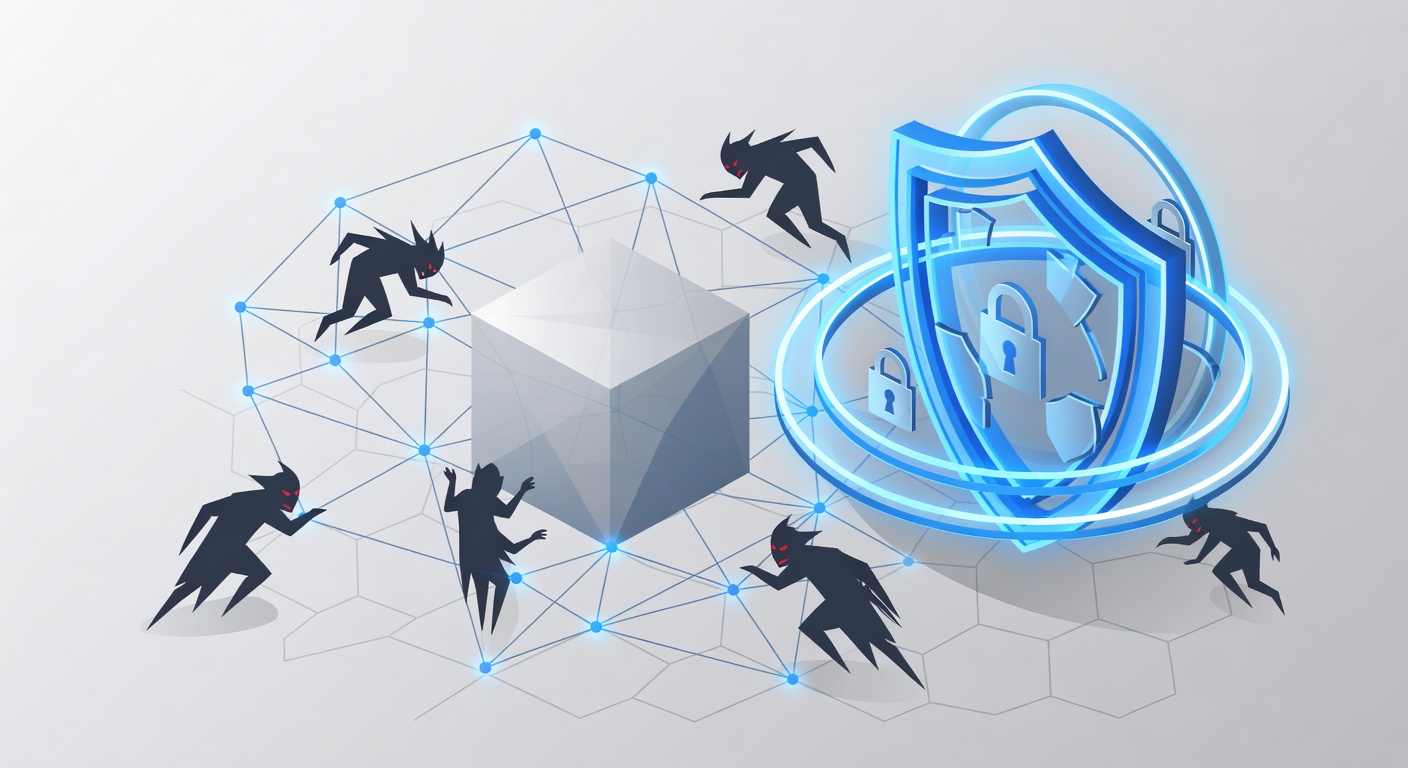
الحقيقة المؤلمة عن أمن المعلومات في الشركات الصغيرة
صديقي، دعني أقولها صراحة: الشركات الصغيرة هدف سهل للمهاجمين الإلكترونيين. ميزانيتكم محدودة للأمان، وعدد المتخصصين قليل، والموظفون غالباً ما يفتقرون للتدريب. هذا ليس خطأكم، بل طبيعة العمل بموارد محدودة.
لكن الخطوة الأولى للدفاع هي معرفة طرق المهاجمين. عندما تفهم خططهم، تبدأ في الحماية بذكاء بدلاً من الاعتماد على الحظ.
الطرق اللي بتشتغل فعلاً (وليه بتفلح)
التصيد الاحتيالي: خدعة البريد الإلكتروني اللي ما تموت
التصيد زي الأغنية اللي كلنا نحبها في عالم الجرائم الإلكترونية. يعتمد على الغريزة البشرية، مش على ثغرات البرامج. المهاجم يرسل إيميل يشبه تماماً من بنكك أو موردك أو حتى مديرك. يقول حاجة زي "تأكد كلمة السر فوراً" أو "اضغط هنا للدفع".
الموظف اللي مشغول يضغط. خلص الأمر.
الأسوأ إن الإيميلات دي بقت أذكى. مش الاحتيالات القديمة الواضحة. بقت شخصية، تذكر شركات تعاملوها فعلاً، وتضرب عند اللحظة المناسبة.
وفي الـ"سميشنج"، وهو تصيد عبر الرسائل النصية. أكثر خصوصية وإقناعاً.
البرمجيات الضارة: الراكب الخفي
المالوير زي الفيروس اللي يدخل جهازك من روابط مشبوهة أو مواقع مصابة. بعدين يعمل شغل قذر في الخلفية: يسرق بيانات، أو يستخدم جهازك لهجمات على غيرك، أو ينتظر الأمر.
المشكلة إنه يقدر يختبئ شهور. شركتك تفقد بيانات عملاء وأنت مش عارف، لحد ما المهاجم يعلن نفسه.
برمجيات الفدية: الكابوس الحقيقي
دي اللي تخلي أصحاب الشركات ما يناموش. تشفر كل ملفاتك – قاعدة العملاء، الفواتير، العقود – ويطلبوا فلوس عشان يفكوها.
سمعت قصص أصحاب دفعوا آلاف الدولارات، أو أغلقوا لأسابيع، أو انهاروا خالص. قاسية جداً.
احتيال البريد التجاري: التقليد على نطاق واسع
تخيل إيميل من محاسبك يقول "أرسل 50 ألف دولار للمورد ده". تبعته للمحاسبة بدون تفكير.
بس المحاسب ما بعتهوش أصلاً.
دي BEC، وشائعة لأنها مش محتاجة مهارات هكر متقدمة. بس خدعة نفسية وتقليد. تعتمد على السرعة والانشغال في الإيميلات.
الخطر الداخلي اللي محدش يحب يناقشه
مش كل التهديدات من بره. أحياناً موظفك – سواء قاصد أو غافل – يفضح البيانات. يحفظها في درايف شخصي، أو ياخدها لشغل جديد، أو يسيب اللابتوب مفتوح.
إزاي تحمي نفسك بجد؟
ابدأ بالتوعية (صدقني، ده أهم حاجة)
أغلى برامج الأمان مش هتنفع لو فريقك يضغط على روابط ضارة. دربهم يميزوا الإيميلات المشبوهة. اجعلها جزء من ثقافتكم، مش تدريب واحد وخلاص.
مش محتاج خبراء. بس وعي أساسي للكل.
رتب طبقات دفاعية
متعتمدش على حل واحد. استخدم فلاتر إيميل للتصيد، ومضاد فيروسات على كل الأجهزة، ومصادقة متعددة العوامل عشان لو سرقوا الباسورد ما يدخلوش.
زي أمان البيت: مش بس قفل الباب. قفل الشبابيك، إنذار، كاميرات. نفس المنطق.
خزن نسخ احتياطية (بجد خزنها)
لو بياناتك المهمة محفوظة في مكان آمن منفصل، الفدية تبقى مشكلة صغيرة. ترجعها وتكمل.
السر: النسخة منفصلة تماماً. لو متصلة بالشبكة، الفدية تشفرها كمان.
حدد الوصول حسب الوظيفة
مش كل موظف يشوف كل حاجة. حدد الوصول للي يحتاجوه بس. لو مهاجم دخل حساب واحد، ما يوصلش لكل قاعدة البيانات.
دي مبدأ "الامتيازات الدنيا"، بسيط لكنه قوي.
راقب النشاط المشبوه
تابع شبكتك. اتصالات خارجية غريبة؟ وصول لملفات خارج الروتين؟ دي إشارات مبكرة لاختراق.
الخلاصة
المهاجمون يستهدفوا الشركات الصغيرة لأنها سهلة، مش لأنها صغيرة. بس أنت مش عاجز. فهم هجماتهم ورتب دفاعات متعددة، وهتقلل الخطر كتير.
مش هتحقق أمان 100% – ده مستحيل – بس خليك أصعب من جارك. في عالم الأمان، ده كفاية.
ابدأ النهارده. متستناش للكارثة تضرب.
الكلمات الدالة: ['small business security', 'phishing protection', 'ransomware prevention', 'cyber threats', 'malware defense', 'email security', 'business continuity', 'data protection']