لما يتحالف قادة الشركات التكنولوجية مع المشرعين، الشركات الصغيرة هي اللي تفوز. بنفكك دور جون سنايدر في مجلس قيادة الـ NSBA، وإيه تأثيره على الأمن السيبراني، وقوة سلاسل التوريد، ومستقبل الشركات التكنولوجية الصغيرة اللي بتحاول تتنافس في ممرات واشنطن.
لماذا حان دور قادة الشركات الصغيرة على مائدة صنع السياسات؟ (وأنت ليه تهتم!)
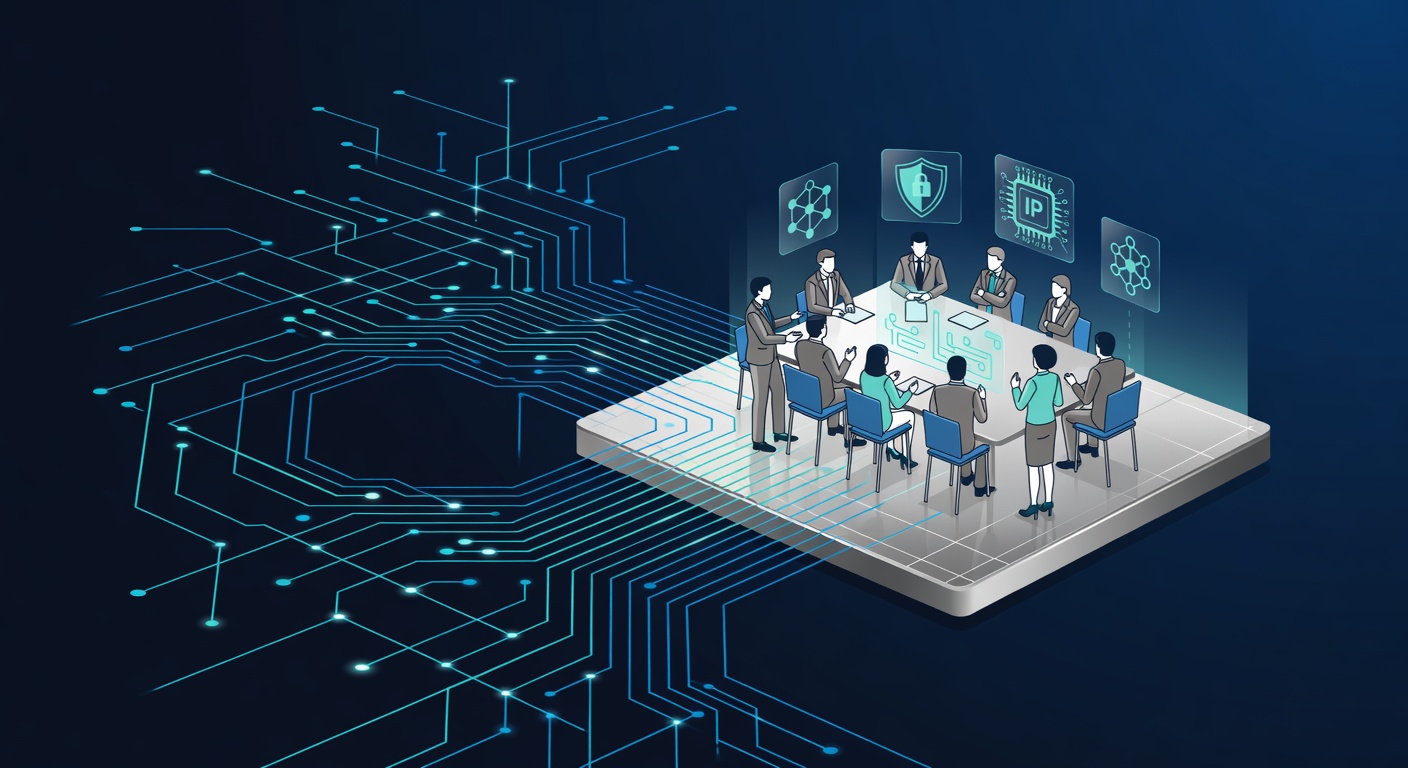
ليه قادة الشركات الصغيرة بقوا عندهم كلمة في صنع القوانين (وليه الموضوع ده يهمك)
الشركات الكبيرة عندها فرق كاملة بتضغط على الكونغرس عشان قوانين تخدمها. أما أصحاب الشركات الصغيرة؟ مشغولين يديروا شغلهم اليومي. بس الوضع ده بيتغير دلوقتي، وده شيء حلو جداً.
المشكلة اللي محدش بيحكي عنها
تخيل إنك صاحب شركة تقنية صغيرة، زي شركة خدمات IT أو startup في الأمان السيبراني. أعمالك ماشية كويس، عملاءك راضيين، فريقك قوي. فجأة، الكونغرس يصدر قانون جديد. القانون ده منطقي لشركة عملاقة عندها عشرات الموظفين اللي بيتعاملوا مع الامتثال. ليك؟ كابوس بيكلفك فلوس مش متوفرة.
ده بيحصل كل يوم. قوانين الأمان السيبراني، تنظيمات سلسلة التوريد، خصوصية البيانات... كلها مصممة للشركات الضخمة. الشركات الصغيرة يا إما تصرف ثروة عشان تتكيف، يا تتسابق وراهم.
تعيين جون سنايدر في مجلس قيادة الرابطة الوطنية للشركات الصغيرة (NSBA) رد مباشر على المشكلة دي.
إيه هي الـNSBA وإيه أهميتها؟
الـNSBA مش جماعة جديدة براقة. موجودة من 1956، يعني أقدم منظمة للشركات الصغيرة في أمريكا. محايدة سياسياً، مش ملزمة بحزب معين. تهتم بس بمصلحة الشركات الصغيرة.
مجلس القيادة ده مصمم عشان يربط بين الشارع التجاري والكابيتول هيل. مش مجرد أعضاء شرفيين يحضروا عشاء سنوي. دول ناس بيتكلموا مع نواب الكونغرس بانتظام.
زي خط ساخن من واقع الشركات الصغيرة لغرف كتابة القوانين.
واقع جون سنايدر في الملعب
سنايدر CEO لشركة Net Friends، شركة خدمات IT في نورث كارولاينا. بيجيب خبرة حقيقية من اليوميات. شركته تواجه تحديات الأمان السيبراني، نقص موظفي IT، وتعقيد البنية التحتية كل لحظة. مش كلام نظري، ده خبرة من الخطوط الأمامية.
أولوياته ذكية:
قوانين أمان سيبراني تناسب الشركات الصغيرة. كتير من القوانين دلوقتي بتفترض إن عندك فريق أمان كامل. في الشركات الصغيرة، شخص واحد بيعمل خمس وظائف. القوانين لازم تعترف بالحقيقة دي.
صمود سلسلة التوريد بدون ما يسحق الموردين الصغيرين. مشاكل التوريد الأخيرة ضربت الشركات التقنية الصغيرة جامد. سنايدر عايز سياسات تحمي الجميع، مش بس المصانع الكبيرة، بل كمان المقاولين والموردين الصغيرين اللي بيحافظوا على النظام.
تعاون في قطاع التكنولوجيا. أحلى حاجة – هينظم حوارات بين قادة الشركات التقنية الصغيرة. كده الرؤى الحقيقية هتطلع. مش من مراكز أبحاث، بل من أصحاب الأعمال اللي عايشين المشاكل.
الصورة الأكبر
اللي بيفرحني فعلاً إن صانعي السياسات بدأوا يفهموا إن الشركات الصغيرة مش "نسخ مصغرة" من الكبيرة. قيودها مختلفة، تحدياتها مختلفة، وتأثيرها على الاقتصاد مختلف.
لما الكونغرس يناقش قواعد الشراء الحكومي أو أمان التوريد أو معايير الأمان السيبراني، وجود حد يعرف إزاي شركة تقنية بـ50 موظف بتشتغل؟ ده بيغير الموضوع. التفاصيل مهمة، والحالات الخاصة مهمة. والشركات الصغيرة مسؤولة عن 64% من الوظائف الجديدة في أمريكا – يعني صوتهم يستاهل.
إيه اللي يعنيه ده ليك؟
لو عندك شركة تقنية صغيرة، الدفاع ده أهم مما تتخيل. كل قانون مصمم يناسبك مش يعاقبك فوز. كل تنظيم يعرف إن مواردك محدودة خطوة لقدام.
الحقيقة المؤسفة إن معظم أصحاب الشركات الصغيرة مش عندهم وقت يتابعوا نقاشات السياسة. مشغولين يديروا الشغل. عشان كده وجود مدافعين زي سنايدر في واشنطن قيم – بيعملوا الشغل بدالك.
كمان، ده تذكير إن التعاون مهم. صاحب شركة لوحده مش هيقدر ينافس ميزانيات اللوبي الكبيرة. بس قادة منظمين؟ دول قوة بتلفت انتباه الكونغرس.
الاختبار الحقيقي
طبعاً، كل ده مش هيأثر لو مفيش نتائج ملموسة. تعيين سنايدر مهم، بس التأثير الحقيقي هيجي لو صوته – وصوت باقي القادة – غير القوانين اللي هتوصل الكونغرس.
أنا متفائل بحذر. الـNSBA بتعمل كده من حوالي 70 سنة. عارفين يحولوا واقع الأعمال لسياسة. وسنايدر ملتزم يبني تحالفات مع قادة تقنية تانيين، يعني مش حملة فردية. جهد جماعي مدعوم ببيانات صناعية.
الخلاصة
الشركات الصغيرة تستاهل مكانها في طاولة السياسة. مش موضوع مثير، مش هيصير ترند على تويتر. بس شغل مهم بيأثر على شركات حقيقية ووظائف حقيقية. انضمام جون سنايدر لمجلس قيادة الـNSBA تذكير إن مجتمع الشركات الصغيرة بيأخذ الأمر بجدية – عشان واشنطن تفهم مين هم وإيه احتياجاتهم.
والحقيقة؟ ده يستاهل متابعتك.
عايز تتابع تغييرات السياسة اللي بتأثر على شغلك؟ فهم التأثير على عملياتك يبدأ من الإعلام. عشان كده بنغطي كل حاجة من سياسات الأمان السيبراني لقوانين خصوصية البيانات في IPAddress.World – لأن معرفة الوضع أول خطوة لحماية بيزنسك.
الكلمات الدالة: ['small business advocacy', 'cybersecurity policy', 'tech industry', 'business leadership', 'supply chain security', 'nsba', 'small business regulations', 'tech policy']