معظم الشركات ما بتعرف هشاشتها إلا لما يحصل المشكلة. تقييم المخاطر السليم زي الفحص الطبي لشبكتك التقنية؛ بيساعدك تلقى المشاكل قبل ما تتحول لكوارث، يحافظ على الامتثال للقوانين، وبيوفر فلوس على المدى الطويل.
لا تطير عشوائيًا: لماذا يحتاج عملك تقييم مخاطر (قبل فوات الأوان)
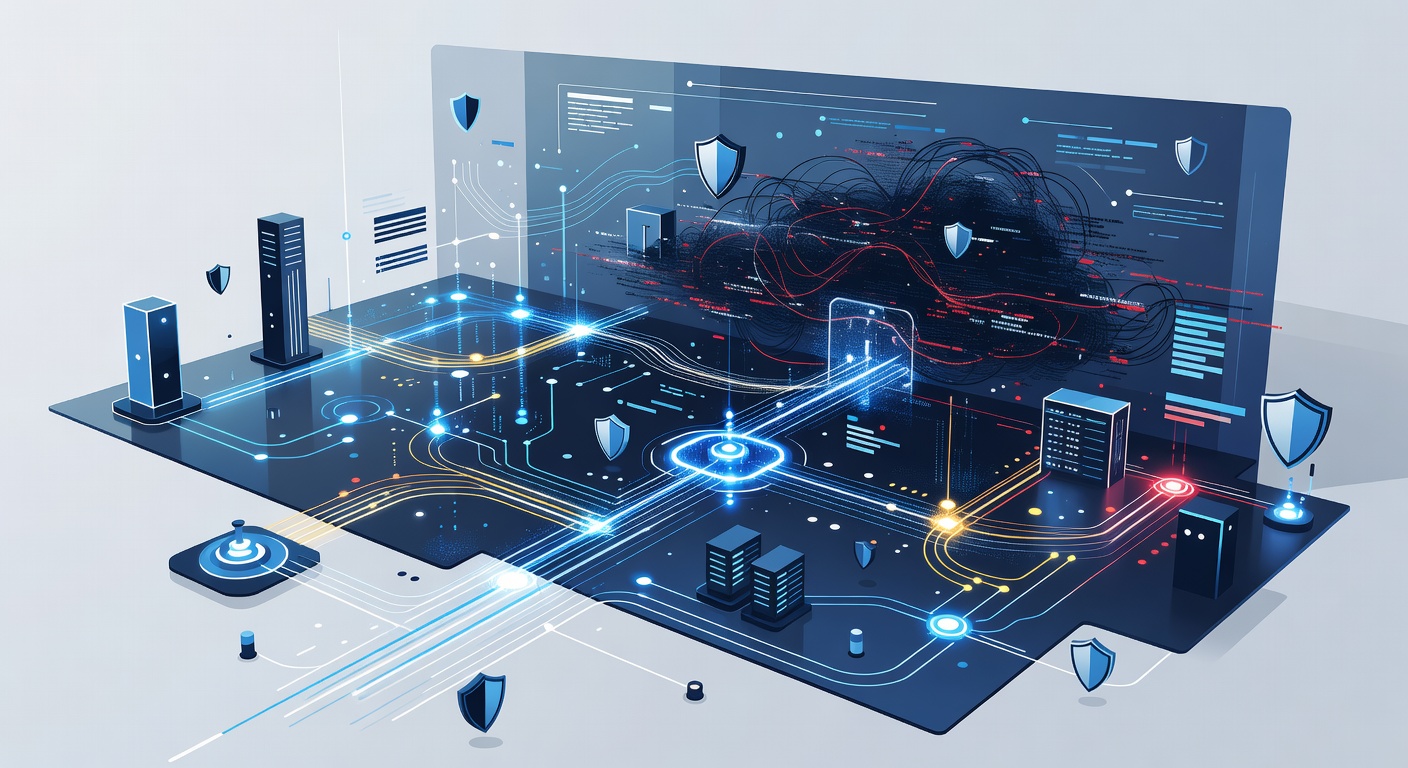
لا تطير عشوائيًا: لماذا يجب على شركتك تقييم المخاطر قبل فوات الأوان
صديقي، لو ما بتقيم مخاطر البنية التحتية التقنية عندك بانتظام، فأنت بتعمل وأنت مغمض عيونك. أشوف كثير شركات تمشي كأن كل شيء تمام، لحد ما يجي هجوم إلكتروني مفاجئ. بيانات تتسرّب، الجهات التنظيمية تسأل أسئلة صعبة، وفجأة الكل يركض يصلح اللي انكسر.
تقييم المخاطر مش مجرد مهمة روتينية مملة أو شيء للشركات الكبيرة بس. هو خطوة ذكية جدًا لحماية أي مشروع، مهما كان حجمه.
تكلفة تجاهل الثغرات الحقيقية
اللي يقلقني دائمًا: معظم الهجمات الإلكترونية تحصل لأن الشركات ما حددت ضعفها من الأول.
لو سبت تقييم المخاطر، يبقى أنت سايب الباب المفتوح وبتتمنى محدش يلاحظه. الثغرات دي ما بتبقاش ساكتة؛ بتكبر مع الوقت. سيرفر مش محدّث؟ يصير مدخل للهاكرز. سياسة كلمات مرور ضعيفة؟ تحول لطريق سريع للدخلاء. الأمور الصغيرة دي بتتحول لكارثة تكلّف فلوس، سمعة، وثقة العملاء.
تقييم شامل يغيّر الصورة. تبحث عن الضعف في نظامك التقني قبل ما ينفجر. هو وقاية، مش إصلاح بعد الضرر. والوقاية أرخص بكتير.
مشكلة الامتثال اللي محدش عايزها
خلينا نتكلم عن القوانين شوية، لأن تجاهلها غالي جدًا.
لو بتتعامل مع بيانات عملاء، معلومات صحية، أو حسابات مالية، في قانون بيلاحقك. GDPR في أوروبا؟ HIPAA للرعاية الصحية؟ CCPA في كاليفورنيا؟ دول مش نصائح؛ قوانين بغرامات قاسية.
المشكلة إن معظم الشركات ما تعرفش إنها مخالفة غير لما يجي تفتيش أو تسرب. الغرامات تبدأ من عشرات الآلاف لحد ملايين الدولارات، حسب الخطأ والمجال. والضرر على السمعة أصعب قياسه.
تقييم المخاطر يرسم خريطة وضعك بالضبط. زي فحص طبي قانوني. تعرف إيه الناقص، إيه اللي يحتاج تصليح، وتصلح قبل ما يجي حد يخبط على بابك.
فهم نظامك التقني زي ما هو
شيء يفاجئ كتير ناس: معظم الشركات ما عندهاش صورة واضحة عن نظامها التقني.
ممكن يكون عندك:
- أنظمة قديمة محدش فاهمها كويس دلوقتي
- خدمات سحابية اتفتحت بدون توثيق
- تطبيقات غير مصرحة يستخدمها الموظفين (شادو آي تي)
- إجراءات أمان مش فعالة زي ما تفتكر
تقييم المخاطر يجبرك تعمل جرد كامل. إيه الأنظمة عندك؟ إزاي مترابطة؟ إيه البيانات اللي بتمشي فيها؟ إزاي محمية حاليًا؟ لما تجاوب، هتحصل على وضوح.
ده الوضوح لوحده قيم. صعب تاخد قرارات أمان ذكية لو مش فاهم إيه اللي بتحميه.
صرف ميزانية الأمان في المكان الصح
سؤال مهم: هل بتصرف فلوس الأمان على أكبر ثغراتك فعلًا؟
بعض الشركات ترمي فلوس على أدوات حديثة وتسيب فجوات كبيرة مفتوحة. غيرين يركزوا على مناطق آمنة أصلاً. ده إسراف، والميزانيات مش لا نهائية.
تقييم المخاطر يحدد الأولويات. يقولك إيه اللي يحتاج تركيز، إيه الأهم للأعمال، وإيه التحسينات اللي تعطيك أكبر عائد. تقدر تقول لمدير المالية بثقة: "نحتاج نستثمر هنا وهنا، وده السبب."
بناء دفاع قوي يدوم
عالم التهديدات الإلكترونية بيتغير كل يوم. ثغرات جديدة تظهر. المهاجمون يتطوروا. تهديدات ما كانتش موجودة السنة اللي فاتت.
بتعمل تقييمات منتظمة، مش بس بتواجه التهديدات الحالية؛ بتبني نظام دفاع يتكيّف. تقوّي بنيتك ضد الضعف المعروف وبني صمود للمستقبل.
بيئة تقنية قوية ما بتحصلش صدفة. بتحصل بتقييم، تخطيط، وتحسين مستمر. التقييمات هي الطريق.
الجانب الاستراتيجي اللي الكل ينساه
الفرق بين الشركات اللي أمانها حقيقي واللي بيتصنّع: ربط التقييم بالاستراتيجية التجارية.
الأمان التقني مش معزول. لازم يدعم أهداف الشركة ويتناسب مع تحمّلك للمخاطر. التقييم يساعدك تفكر استراتيجيًا في التخطيط طويل الأمد. إيه الاستثمارات اللي تنفع؟ إيه يستنى؟ إيه التركيز السنة الجاية؟
لما الأمان يتوافق مع الأهداف، يبطل يكون مصروف ويصير ميزة تنافسية.
الخلاصة
تقييم المخاطر مش حدث واحد أو مربع في قائمة الامتثال. هو ممارسة أساسية تحافظ على أمان شركتك، شرعيتها، وكفاءتها.
لو ما عملتش واحد مؤخرًا، أو أبدًا، جرب. هتلاقي مفاجآت – ثغرات مخيفة ما كنتش تعرفها، وأشياء كويسة بتعملها. المعرفة دي ثمينة.
شركتك مهمة عشان تسيبها في الظلام. شوف وضعك بوضوح، صلّح اللي محتاج، وبنِ استراتيجية أمان تعمل بجد.
الكلمات الدالة: ['risk assessment', 'cybersecurity strategy', 'it security', 'vulnerability management', 'compliance', 'data protection', 'network security']